Explore our engineered solar energy conversion components. Designed for harsh environments, ease of deployment, and maximum structural efficiency.
As a global leader in clean energy design, Xiamen Illumino Solar Co., Ltd. has engineered high-fidelity structural support systems for complex solar configurations. In an era where climate volatility dictates engineering tolerances, our components undergo strict aerodynamic wind tunnel testing and finite element analysis (FEA) to exceed international build requirements.
From our strategic headquarters in the coastal logistics hub of Xiamen, China, we operate state-of-the-art smelting, extrusion, and CNC processing facilities. This direct-from-factory structure ensures absolute control over metallurgical composition (specializing in AL6005-T5 and SUS304 alloys) and spatial calibration, ensuring rapid site deployment and structural safety.
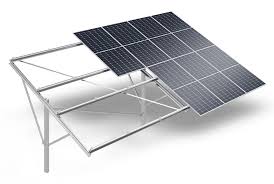
The commercial and industrial (C&I) solar sector has evolved from simple rooftop installations into sophisticated energy infrastructure. Modern grid requirements, corporate net-zero mandates, and fluctuating power prices have turned high-yield solar energy conversion systems (SECS) into standard assets for commercial buildings, factories, and utility grids.
Today's solar projects demand mounting structures that optimize the levelized cost of energy (LCOE). Structural components must support larger, high-efficiency bifacial modules while resisting high wind loads, seismic forces, and localized environmental hazards. As land availability decreases, markets are turning to specialized applications like floating solar (FPV) arrays, agricultural agrivoltaics, and integrated BIPV building envelopes to generate power where it was previously impossible.
Engineering frameworks designed to handle wind loads up to 60m/s and seismic accelerations using custom AL6005-T5 profiles and hot-dip galvanized finishes.
Our pre-assembled mechanical sub-assemblies reduce labor costs, speed up commissioning, and provide stable power production over a 25-year service life.
Mounting configurations are engineered to prevent rear-side shading, capturing reflected light to boost energy yields by up to 30%.
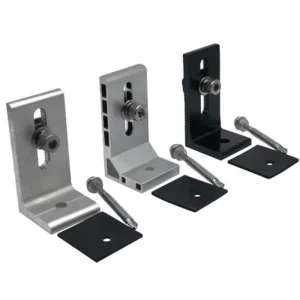
High-performance solar mounting requires advanced material science. At Xiamen Illumino Solar, we develop structural alloys that deliver high strength-to-weight ratios and excellent corrosion resistance. Our mechanical engineers focus on mitigating galvanic corrosion—the process that occurs when different metals contact each other in wet environments. By using non-conductive rubber isolation buffers and specific anodization depths (typically exceeding 10 microns), we protect structural points on pitched metal roofs and open ground mounts.
We use premium AL6005-T5 aluminum and SUS304 stainless steel to ensure every mounting hook, mid-clamp, and tracking bracket performs reliably. This allows us to offer a 15-year warranty. Our products meet international standards, including CE, TUV, SGS material certifications, AS/NZS 1170, and MCS. These standards ensure our products can withstand high snow loads and seismic forces in markets worldwide.
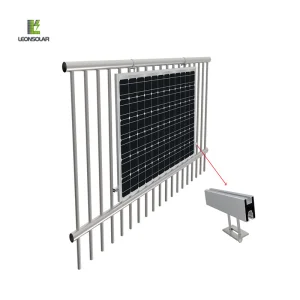
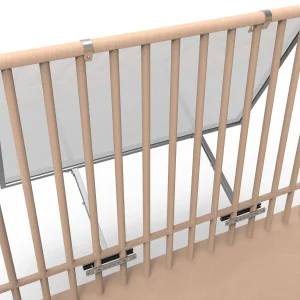
Whether for floating pontoons made from high-density polyethylene (HDPE) or adjustable tilt structures on residential balconies, we design our systems to make installation easy, reduce maintenance, and support reliable solar power generation.
Every solar installation faces unique spatial and environmental challenges. Below are the key structural solutions we design and manufacture:
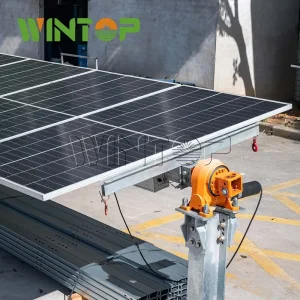
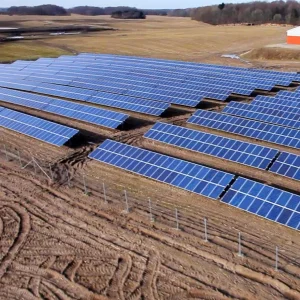
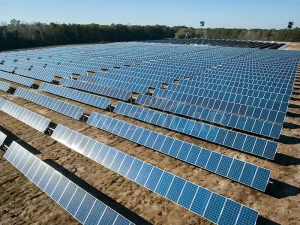
These systems feature single-axis or dual-axis tracking to follow the sun throughout the day. Grounded by concrete foundations or steel ground screws, they are built to maximize power output for utility-scale projects.
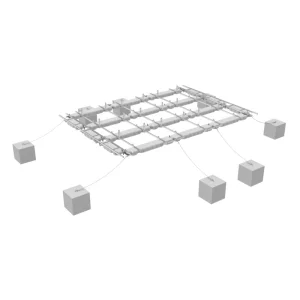
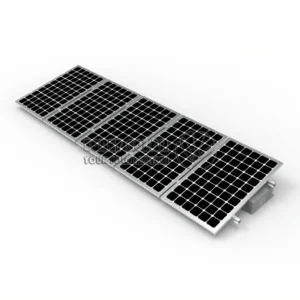
Designed for concrete and flat roofs. East-West ballasted systems maximize space and avoid roof penetration, protecting the building's waterproofing while ensuring stability with concrete blocks.
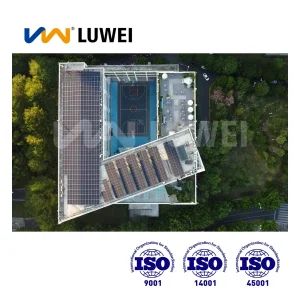
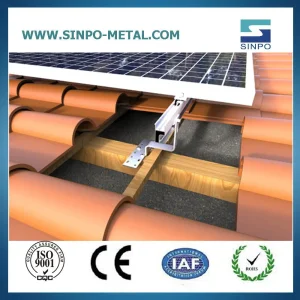
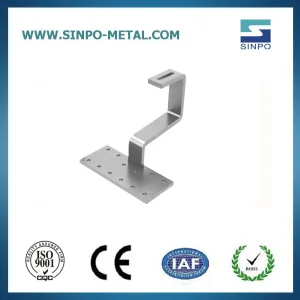
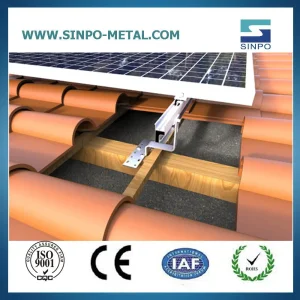
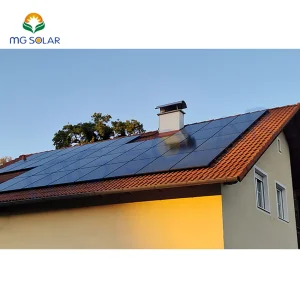
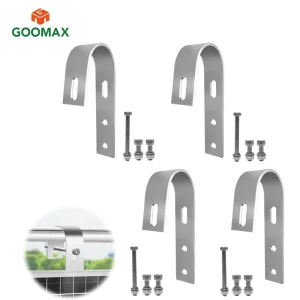
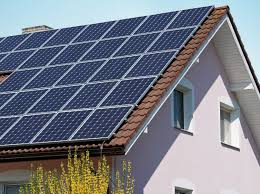
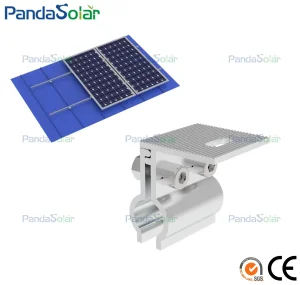
Building-Integrated Photovoltaics (BIPV) turn building surfaces into power-generating structures. For traditional roofs, our custom roof hooks and standing seam clamps mount modules securely without leaks.
Agricultural greenhouses integrate solar panels into their roofs, while floating systems use high-durability HDPE pontoons on water reservoirs to save land and reduce water evaporation.
Solar mounting systems must be designed for their specific environment. The mechanical demands on a solar array in a typhoon-prone coastal zone are completely different from those in an alpine region with heavy snow. Our engineering team designs solutions tailored to these localized challenges:
Coastal installations face corrosive marine air and high winds. We protect these systems by using thicker anodized coatings (up to 20 microns) and marine-grade SUS304 stainless steel fasteners. This prevents galvanic corrosion and keeps the array secure during high winds.
In mountainous or high-latitude regions, heavy snow can accumulate on solar modules, putting stress on the frames and mounts. Our alpine systems use reinforced rails and steeper tilt angles to help snow slide off naturally, preventing structural damage and keeping the panels clear.
Floating solar installations on reservoirs require flexible, water-resistant structures. We design our floating systems with high-density HDPE pontoons and specialized anchoring lines that adjust to changing water levels while resisting long-term moisture and UV exposure.
Find technical details about our materials, standards, and engineering solutions below.
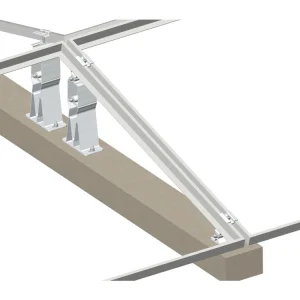
Discover our range of heavy-duty roof hooks, standing seam clamps, and ballasted framing options designed for secure mounting.
 Illumino Solar