High-efficiency monocrystalline solar systems require heavy-duty, certified structural support. Browse our primary engineering solutions designed for optimal module wind-loading and longevity.

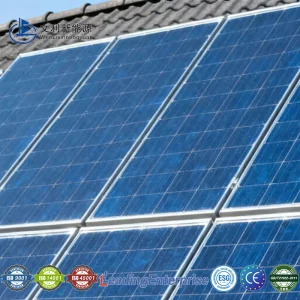
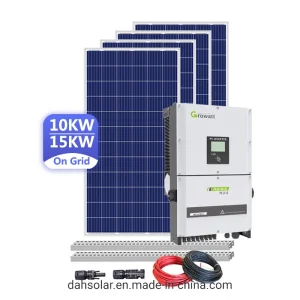
In the global pursuit of grid-parity solar energy, monocrystalline silicon solar cells (Mono-Si) have established absolute dominance over multicrystalline alternatives. Driven by developments in N-type silicon technology, such as Tunnel Oxide Passivated Contact (TOPCon) and Heterojunction (HJT) structures, modern monocrystalline panels deliver average cell efficiencies exceeding 22.5% to 25%. However, this generation of high-output modules requires a unified engineering approach. To capture high energy yields over a 25-to-30-year operational life, the structural framework supporting the panel must match its electrical performance.
At Xiamen Illumino Solar Co., Ltd., we understand that a high-efficiency monocrystalline solar project is only as reliable as its mounting infrastructure. Headquartered in Xiamen, China, we operate at the intersection of PV innovation and structural engineering. We deliver ground-mounting systems, roof-mounting systems, and BIPV solutions designed to withstand extreme wind, snow, and seismic loads, ensuring maximum energy harvest and safety.
When auditing the top 10 solar monocrystalline panel factories and exporters, enterprise procurement managers should evaluate the following structural, operational, and commercial metrics:
Top exporters utilize high-purity polysilicon feedstock. Look for suppliers offering N-type wafer processing, which minimizes Light-Induced Degradation (LID) and Potential-Induced Degradation (PID) compared to traditional P-type modules.
Superior monocrystalline cells exhibit a low temperature coefficient (under -0.34%/°C). This ensures stable electricity production in high-temperature climates, boosting net energy generation.
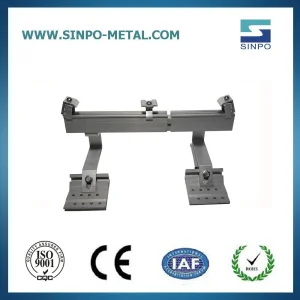
Solar panels must feature anodized aluminum alloy frames designed to interface with mounting clamps. Check for static load ratings of 5400 Pa (front snow) and 2400 Pa (rear wind).
For utility projects, choose BloombergNEF Tier 1 rated manufacturers. This certification validates production scale and financial backing, streamlining project financing and insurance approval.
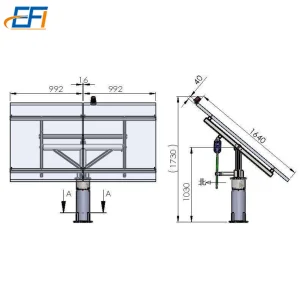
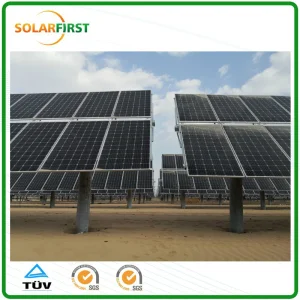
Ensure compatibility with tracking and mounting hardware. Our tracking brackets (like the GPS-enabled single-axis tracker) integrate with large-format (210mm/182mm) monocrystalline bifacial panels to maximize albedo gains.
High-quality factories provide full trace documentation from ingot slicing to module assembly. Look for compliance with TUV SUD, CE, MCS, and regional codes like AS/NZS 1170.2.
China manages over 80% of the world's solar manufacturing capacity. This concentration provides clear benefits for international purchasers, including project developers and engineering firms:
"Industrial clustering in China's coastal and industrial zones coordinates wafer manufacturing, aluminum extrusion, structural steel fabrication, and marine logistics. This setup reduces lead times and lowers shipping costs per watt."
Purchasing monocrystalline panels from Chinese hubs allows buyers to coordinate procurement of structural racking, electrical combiners, and cleaning systems. Xiamen Illumino Solar capitalizes on this logistics infrastructure. With our annual capacity of 500MW, we synchronize mounting system fabrication with your panel delivery schedules, reducing demurrage risks at destination ports.
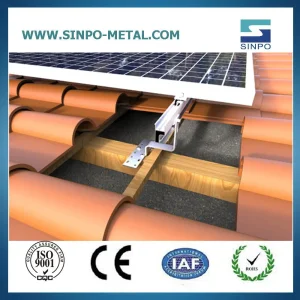
We source raw aluminum (AL6005-T5) and Zn-Al-Mg (Zinc-Aluminum-Magnesium) coated carbon steel from regional refineries. Applying these materials in our BIPV and waterproof channel systems guarantees over 25 years of corrosion resistance in coastal or high-humidity environments.
Our professionals oversee production at every stage, from raw material inspection to packaging. Xiamen Illumino Solar offers a 15-year warranty on product quality, providing long-term reliability for global installations.
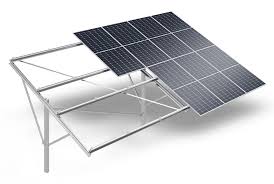
The structural mounting system is critical to a solar installation's safety. Modern high-power monocrystalline panels (often exceeding 600W with dimensions up to 2.4 meters long) behave like sails under wind loads. If mounting systems are poorly matched to the panels, structural failures, microcracks, and system failures can occur.
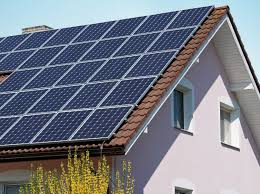
We engineer solar systems for specific environments, addressing different wind speeds, structural materials, and ground conditions.
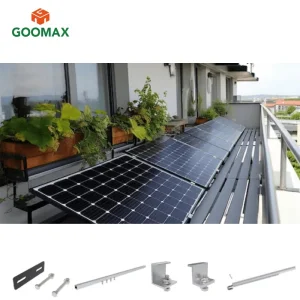
For high-density residential zones (common in Europe), we supply lightweight aluminum balcony mounting brackets. These systems attach safely to handrails, allowing tenants to generate power with standard monocrystalline panels.
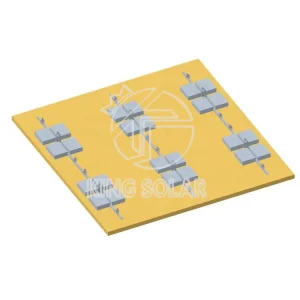
On commercial buildings where roof membrane penetration is prohibited, we deploy non-penetrating ballasted mounting structures. These use wind deflector plates and concrete block ballast to secure monocrystalline arrays without causing leaks.
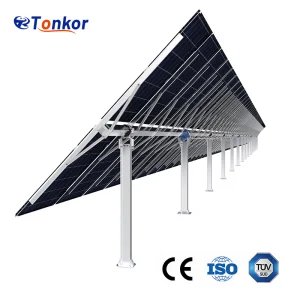
For high-insolation desert regions, our tracking systems use astronomical algorithms and GPS sensors to track the sun. This configuration can increase energy output by up to 25% over fixed-tilt systems.
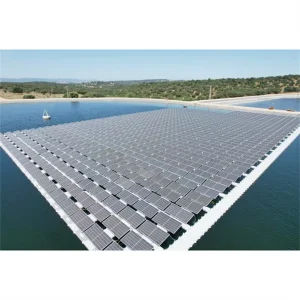
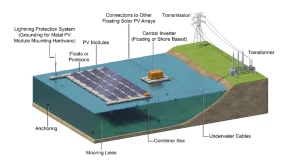
Designed for reservoirs, water treatment facilities, and hydroelectric dams. The water cools the panels to improve efficiency, while our pontoon structures resist wave movement and high moisture levels.
N-type monocrystalline panels (TOPCon and HJT) exhibit lower degradation rates, a lower temperature coefficient (-0.30% to -0.34%/°C), and higher efficiency (22.5%+). They also feature a higher bifaciality factor, generating more power from reflected light on the rear side.
We engineer our products to match local building codes. Our structural calculations conform to AS/NZS 1170.2 for wind loads in Australia, CE and TUV requirements for Europe, and undergo SGS material and corrosion testing. This ensures systems can handle local wind and snow loads.
Outdoor solar systems are exposed to moisture, salt, and industrial pollution. We use high-tensile AL6005-T5 aluminum with anodized finishes and Zn-Al-Mg coated carbon steel. These materials form a self-healing protective layer that resists rust and degradation for over 25 years.
Yes. We coordinate from initial design to project execution. Our team provides customized recommendations based on structural limits, wind loads, soil conditions, and your selected monocrystalline panel specifications.
Explore our range of tracker-compatible, floating, and building-integrated photovoltaic structures.
 Illumino Solar