Explore our high-performance structural systems engineered for durability, quick installation, and strict regulatory compliance.
As the global utility and Commercial & Industrial (C&I) solar markets expand, structural engineers face complex spatial layouts, restricted land boundaries, and uneven roof surfaces. Traditional symmetric racking structures (where panels are oriented at identical tilt angles and configurations) often prove inefficient on irregular roofs, high-wind zones, and terrains with complex slope profiles. This limitation has driven the development of Solar Asymmetric Racking Systems.
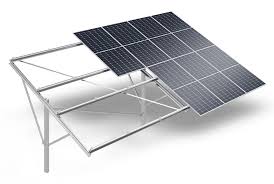
Asymmetric racking employs customized leg extensions, varying tilt angles, and off-center weight distributions. By adjusting the physical tilt and elevation mismatch between adjacent panel rows, engineers can optimize energy generation profile (such as asymmetrical East-West orientations), mitigate structural aerodynamic lift forces, and bypass local shading obstacles. This design philosophy maximizes Levelized Cost of Energy (LCOE) and enhances the overall return on investment (ROI) for global PV power stations.
"The shift from uniform symmetric mounting layouts to asymmetric structural engineering represents a fundamental progression in solar mechanical design. It moves the focus from standardized product supply to custom site-adapted structural optimization."
How material advancements and aerodynamic modeling are reshaping modern PV system design.
Utilizing structural wind tunnel testing and Computational Fluid Dynamics (CFD), asymmetric designs are engineered to reduce negative wind load pressures and torsional flutter on building perimeters.
Anodized aluminum alloy (AL6005-T5) combined with high-grade stainless steel hardware (SUS304) ensures continuous operation in corrosive marine and agricultural environments.
Engineered to handle asymmetric snow drifts and non-uniform wind distributions, meeting rigorous local standards such as AS/NZS 1170 and Eurocode 9.
Xiamen Illumino Solar Co., Ltd. is a high-tech enterprise headquartered in Xiamen, China. We focus on the research, development, production, and service of advanced new energy products. Our company specializes in three core business areas: solar photovoltaic (PV) mounting brackets, EPC (Engineering, Procurement, and Construction) services for PV power stations, and advanced cleaning systems designed for solar installations. Our mission is to deliver cutting-edge, reliable, and cost-effective photovoltaic system solutions to clients around the world.
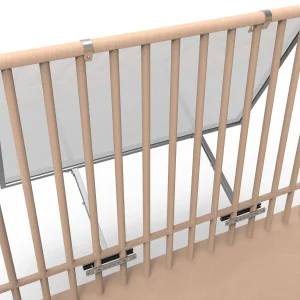
Our extensive product portfolio includes ground mounting systems, roof mounting systems, carport mounting systems, flat roof mounting systems, agricultural greenhouse systems, balcony systems, floating solar systems, Building-Integrated Photovoltaics (BIPV), PV sunrooms, and a variety of specialized accessories.
Each product line is developed under strict quality control processes and holds certifications such as CE, TUV, SGS material testing, AS NZS 1170, and MCS. These credentials verify our adherence to international manufacturing standards and help meet the requirements of both domestic and export markets.
Behind the engineering of asymmetric mounting structures: material calculations, mechanical stress limits, and load test validations.
Asymmetric racking structures require precise engineering analysis to account for unbalanced loads. In standard configurations, dead loads and wind pressures are distributed symmetrically across the structural frame. In an asymmetric mounting system (e.g., unequal spans, variable front-to-rear leg ratios, or offset ballast blocks), structural stability depends on precise load-bearing calculations.
Every asymmetric racking layout designed by Xiamen Illumino Solar undergoes Finite Element Analysis (FEA) testing. Using advanced CAD tools, our engineers simulate real-world wind velocities (up to 60 m/s) and snow accumulation distributions. This modeling identifies potential stress concentrations at joints, splice points, and interfaces. By calculating Von Mises stress margins, we optimize component thickness to withstand mechanical stress without adding unnecessary material weight.
To ensure long-term durability, we select materials based on strict mechanical requirements:
Our designs are calculated to comply with regional codes:
Xiamen Illumino Solar maintains active partnerships and customer networks across Europe, North America, Germany, Turkey, Brazil, and other key solar markets. Our products are designed to meet local installation practices and grid standards worldwide.
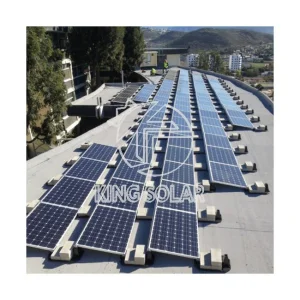
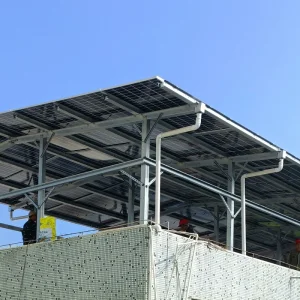
In Germany, commercial flat roofs often have strict load limits. Our asymmetric East-West racking systems are optimized to place loads directly over building columns, reducing the need for heavy ballast blocks. This layout helps distribute wind forces evenly, allowing for higher density solar arrays on structurally sensitive roofs.
For installations in Brazil's coastal regions, mounting structures must withstand high humidity and saline air. We provide AL6005-T5 racking systems with upgraded anodization to protect against galvanic corrosion. These components are pre-assembled to help reduce on-site labor times in remote utility projects.
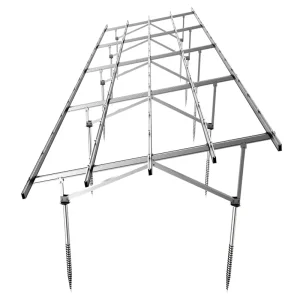
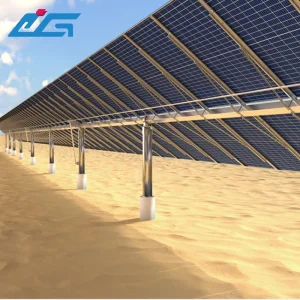
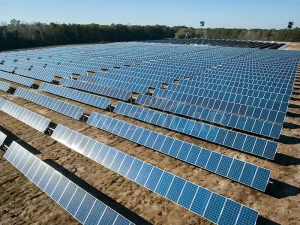
Turkey’s undulating terrain and mountainous areas require racking that can adapt to changing slopes. Our ground systems feature adjustable pole structures and asymmetric joints, allowing installers to adjust tilt angles and correct for slope variations on-site without extensive land grading.
From agricultural greenhouses to floating marine systems, we supply diverse structural designs for global energy transitions.
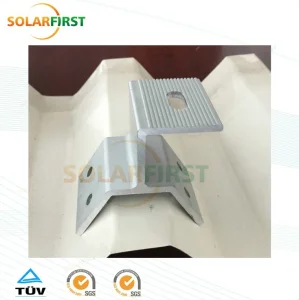
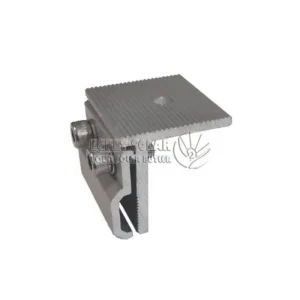
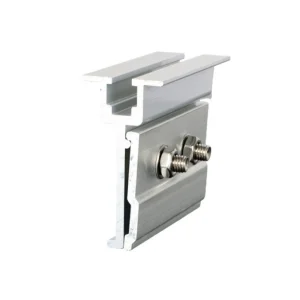
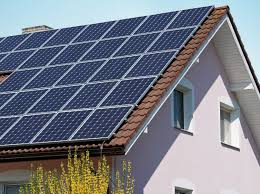
Building-Integrated Photovoltaics (BIPV) merge structural roofing with solar generation. Our watertight roof systems and standing seam clamps provide secure, leak-free integration with commercial tin roofs.
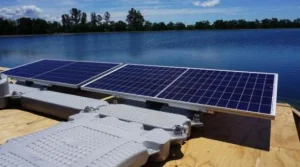
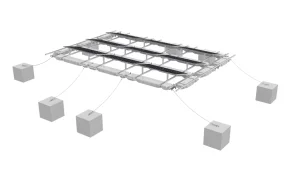
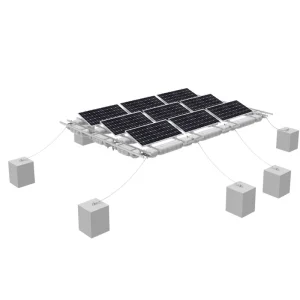
Designed for water reservoirs and water treatment ponds, our Blue Dolphin Floating Pontoon range utilizes high-density polyethylene (HDPE) structures to resist UV aging and environmental stress cracking.
Dual-purpose agricultural solar systems combine farming space with clean energy generation. Specialized asymmetric spans are configured to optimize sunlight distribution for crops below while maintaining solar yield.
As the solar market matures, Xiamen Illumino Solar focuses on continuous product development to improve structural efficiency and support global renewable energy goals. Our technical development plan focuses on three key areas:
We are integrating AI-driven design algorithms into our engineering workflow. By entering regional wind data, site slope parameters, and load criteria, software generates optimized racking geometries. This process reduces steel and aluminum use where loads are minimal, focusing material density at key stress points to create lighter, stronger structural layouts.
Modern tracker systems are moving toward asymmetric configurations to handle uneven terrain. We are developing single-axis and dual-axis tracking mounts that operate independently on uneven slopes. By combining smart sensor control loops with flexible joints, these systems maintain optimal tilt angles even when installed on complex, rolling ground surfaces.
To reduce the environmental footprint of our products, we are working to increase the recycled content of our aluminum alloys. By partnering with eco-certified smelters, we aim to lower the carbon footprint of our manufacturing process while maintaining the structural properties and mechanical performance required for our 15-year warranty.
Common questions regarding technical support, installation, and materials for solar asymmetric racking.
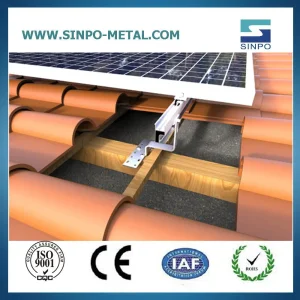
Select options from our solar tracking, floating, and roof-hook product lines.
 Illumino Solar