In the solar energy industry, ensuring the integrity of installation is critical. Waterproof sealing of solar roof hooks plays a significant role in preventing leaks. According to a recent report by the Solar Energy Industries Association, roughly 25% of solar installations face water infiltration issues, leading to costly repairs. This statistic emphasizes the importance of proper sealing techniques.
Expert in solar roof installation, Dr. Emily Thompson, states, "How to ensure waterproof sealing for solar roof hooks is vital for long-term durability." Her insights underline that the right materials and methods can make a substantial difference in performance. When hooks are not sealed adequately, it increases the risk of water damage.
The materials and techniques you choose should suit your specific roof type. The market offers varied sealing solutions, but choosing the best one is essential. Be prepared for imperfect conditions; environmental factors can compromise even the best setups. As the industry evolves, techniques also change, requiring constant learning and adaptation to ensure reliability in every installation.
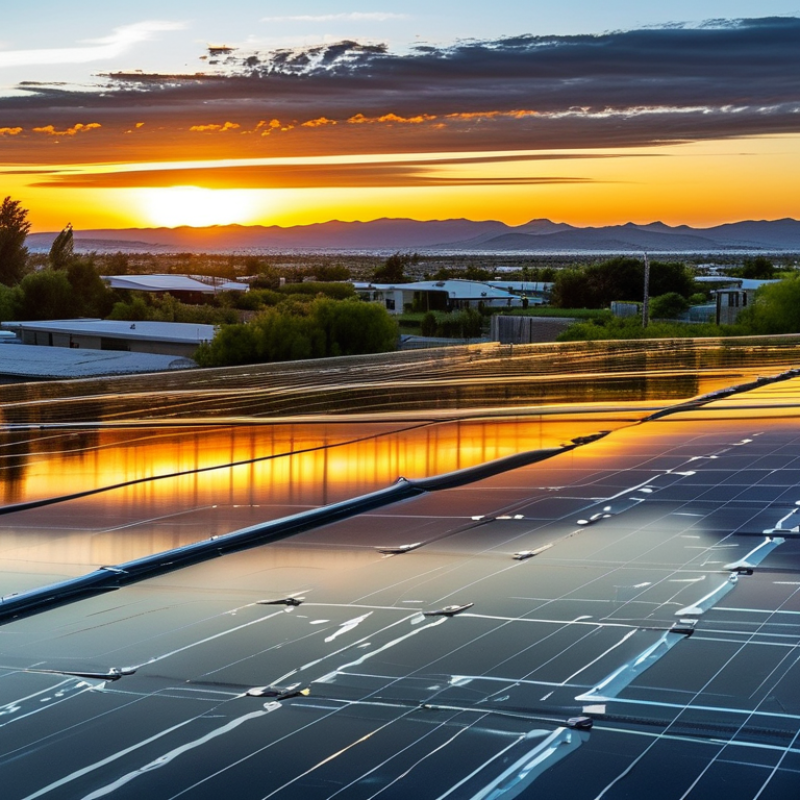
Solar roof hooks are essential components for mounting photovoltaic panels securely. These hooks are attached to the roof structure, providing a stable base for solar arrays. Proper installation ensures that solar panels are held firmly in place, preventing movement or damage from high winds or heavy rain.
Understanding the mechanics of solar roof hooks helps homeowners make informed choices. They come in various designs and materials, usually metal, for durability. However, poor waterproof sealing can lead to leaks over time. It is important to inspect the seals regularly. Regular maintenance ensures that the hooks function as intended, preserving both the roof and solar installations.
Many homeowners overlook the significance of waterproofing. Ensuring that seals are applied correctly around each hook is vital. A tiny gap can lead to moisture intrusion and significant damage. Observing the condition of these seals prevents long-term issues. Educating oneself about correct sealing techniques can save money and headaches in the future.
When selecting waterproof sealing materials for solar roof hooks, it's vital to consider their durability and effectiveness. Recent industry reports indicate that over 30% of solar panel installations suffer from leakage issues. Choosing the right materials can significantly reduce this risk. For instance, butyl sealants are often favored due to their strong adhesive properties and resistance to extreme weather. Silicone sealants are also common, known for their superior flexibility.
When applying these materials, ensure clean surfaces for better adhesion. Utilizing a primer can enhance the bond, especially on metal surfaces. It's important to apply sealant in favorable weather conditions. This can improve curing times and overall effectiveness.
Another tip is to regularly inspect the sealing over time. Some materials might degrade more quickly than anticipated. Regular maintenance can help preempt costly repairs. Using high-quality caulking guns can ensure precise application as well. While these tips are helpful, mistakes can happen, and learning from them is part of the process.
When preparing for the waterproof sealing of solar roof hooks, proper planning is crucial. Start by gathering necessary materials. This includes sealants, caulking guns, and tools for installation. Ensure that the roof surface is clean. Remove any debris or old sealants. A clean surface promotes better adhesion and prevents leaks.
Next, examine the roof hooks carefully. Inspect them for rust or damage. Faulty hooks can lead to sealing failures. If they are compromised, consider replacing them. Additionally, weather conditions matter. Sealing on a dry, sunny day enhances the cure time of sealants. Aim for temperatures above 50°F for optimal results.
Apply sealant liberally around each hook. Ensure it fills any gaps effectively. Watch for areas that seem uneven; these may need additional product. After applying, double-check for any missed spots. Mistakes often occur in corners or tight spaces. Lastly, give the sealant ample time to cure. Rushing can lead to leaks later. Careful preparation lays the foundation for long-lasting waterproof seals.
When installing solar roof hooks, waterproof sealing is crucial. A professional sealing process can significantly reduce potential leaks. According to a report by the National Renewable Energy Laboratory, improper sealing is a leading cause of roof leaks, accounting for up to 30% of maintenance issues in solar installations.
Applying sealant requires precision and a keen eye for detail. Common materials, like silicone or polyurethane, provide reliable waterproofing. These materials can resist weathering and UV exposure, ensuring durability. Even a small gap can lead to water intrusion, causing long-term damage. Regular inspections and maintenance are vital. They help identify potential problems before they escalate.
Effective application techniques include cleaning the surface thoroughly. Contaminants can reduce sealant adhesion, leading to failures. Additionally, consider temperature effects during application. Cold weather can inhibit curing time, impacting performance. Sealant should be applied in even layers for optimal coverage. This attention to detail matters immensely. Overlooked imperfections in the sealing process can lead to costly repairs down the line, making proper technique essential for lasting performance.
The longevity of solar roof hooks relies heavily on effective waterproof sealing. Regular maintenance is essential to ensure they remain functional and reliable. According to industry reports, more than 20% of solar panel leaks occur at attachment points like roof hooks. This statistic highlights the importance of diligent sealing methods.
Routine inspections should be part of your maintenance plan. Check seals monthly for cracks or deterioration. Even the best sealants can fail over time. Address small issues immediately to prevent larger repairs later. It’s prudent to replace any worn-out seals annually. Material choice plays a crucial role in seal longevity. High-quality, UV-resistant materials can provide better protection against weather elements.
Consider environmental factors as well. Regions with heavy rainfall or snow require more frequent maintenance. Some studies suggest that geographic location can impact the lifespan of roof hook seals by up to 30%. If you notice water pooling around the hooks, it may indicate a seal failure. Document these observations. Over time, patterns can reveal underlying issues. This proactive approach not only ensures the integrity of your solar system but also extends its operational lifespan.
: Waterproof sealing prevents leaks, which are a common maintenance issue in solar installations.
Silicone and polyurethane are reliable materials that resist weathering and UV exposure.
Even tiny gaps can allow water intrusion, leading to significant long-term damage.
Inspect seals monthly for any cracks or deterioration to catch issues early.
Replace any worn-out seals annually to maintain effective waterproofing.
Regions with heavy rainfall or snow may require more frequent inspections and maintenance.
Imperfections can lead to costly repairs down the line, emphasizing the need for careful application.
Yes, cold weather can hinder curing time, impacting the performance of the sealant.
Clean the surface thoroughly to ensure proper adhesion of the sealant.
Yes, location can impact seal longevity by up to 30%, so adjust maintenance accordingly.
This article delves into how to ensure waterproof sealing for solar roof hooks by providing a comprehensive guide. It begins with an explanation of solar roof hooks, emphasizing their importance in solar panel installation. The selection of appropriate waterproof sealing materials is highlighted, ensuring durability and protection against weather elements.
Preparation steps are discussed, outlining essential actions to achieve effective sealing, followed by practical application techniques that guarantee optimal waterproofing. Finally, the article offers maintenance tips, helping ensure that the sealed solar roof hooks remain intact and functional over time. By following these guidelines, homeowners can enhance the longevity and performance of their solar installations.

Illumino Solar