Calculating wind load for solar panels is crucial for safety and efficiency. Proper assessment ensures that solar installations withstand harsh weather. According to Dr. Jane Smith, an expert in renewable energy systems, "Understanding how to calculate wind load for solar panel mounting systems can prevent costly failures."
Wind loads vary based on location and installation type. Factors like panel height, tilt angle, and surrounding structures impact these calculations. It's vital to consider local regulations and codes. Engineers must use accurate data and wind speed assessments. They should also account for potential changes in climate patterns over time.
Many installers overlook the details in these calculations. This oversight can lead to serious consequences. Employing simulation tools can aid in more accurate predictions. Yet, professionals must remember that every project is unique. By focusing on tailored solutions, we improve the longevity and effectiveness of solar energy systems.
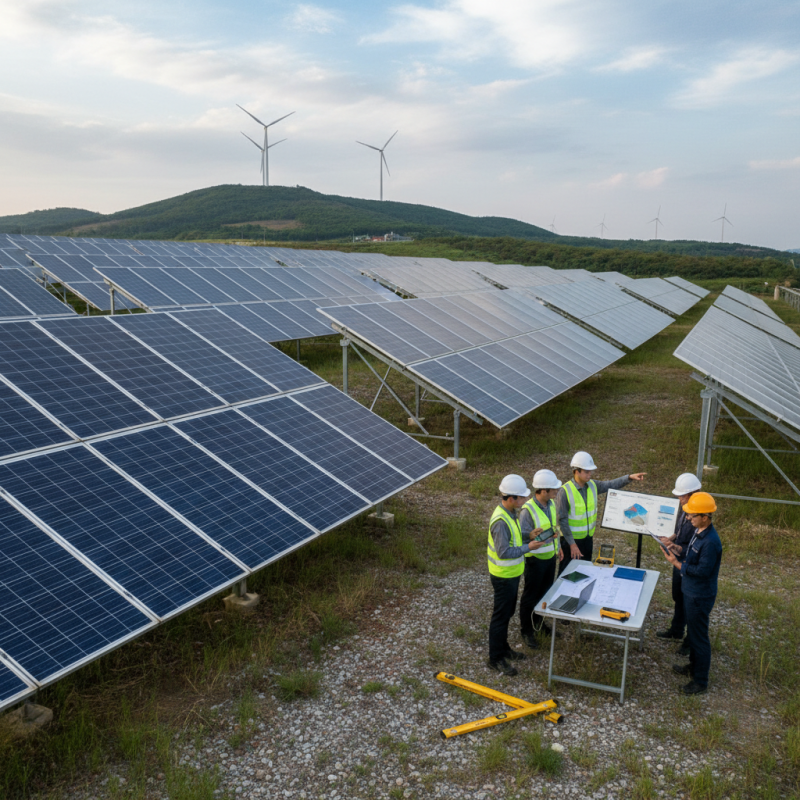
Understanding wind load is crucial for solar panel installations. Wind load refers to the force exerted by wind on structures, including solar panels. The design must account for varying wind speeds and directions. Factors like panel height and tilt impact how wind affects them. Properly calculating this load ensures safety and efficiency.
When installing solar panels, consider local wind patterns. Different regions experience varying wind forces. Use tools like anemometers to measure wind speed at your installation site. This data helps to create a realistic wind load model.
Tip: Always consult local building codes. They may have specific requirements for wind load calculations. Ensure your panels meet these standards for structural integrity. Also, regularly inspect your installation for any signs of wear or misalignment. This proactive approach can prevent issues before they occur.
| Method | Description | Formula | Notes |
|---|---|---|---|
| Basic Wind Load Calculation | Uses basic values of wind speed and area of the solar panel. | F = 0.613 * A * V^2 | Assumes uniform wind flow. |
| ASCE Method | Follows the American Society of Civil Engineers guidelines. | F = qz * Cf * A | Includes external pressure coefficients. |
| Local Wind Data | Considers specific wind patterns in the installation area. | F = (Vmax + Vmin) / 2 * A * k | Utilizes meteorological data. |
| Dynamic Analysis | Considers the effects of gusts and shock loads on panels. | F = 2 * A * (Gust Factor) | Requires advanced modeling. |
| Structural Analysis | Assess material behavior under wind loads. | F = σ * A | Involves stress and strain calculations. |
| Computer Simulation | Uses software to simulate wind effects on panels. | Software dependent | Precision modeling. |
| Empirical Data | Utilizes existing research data for guidance. | F = C * V^2 | Refer to studies for C values. |
| Manufacturer Guidelines | Based on specifications provided by solar panel manufacturers. | F = A * (Manufacturer Constants) | Follow detailed model data. |
| Wind Tunnel Testing | Physical models tested in controlled environments. | Data driven | Highly accurate results. |
| Regional Standards Compliance | Follows local building and wind load codes. | Varies by region | Ensure local regulations are met. |
: CFD analysis simulates airflow around structures, providing insights on wind loads affecting solar panels.
Wind speed is a critical input for realistic simulations of how wind interacts with solar panels.
Regularly update CFD models with real-time data and consult experts to validate findings.
Local topography can significantly affect wind speeds, impacting the structural integrity of solar panel installations.
Safety factors recommended include a minimum of 1.5 times the highest recorded local winds.
Using outdated data can lead to overestimating wind loads, potentially causing installation failures.
Site-specific data ensures accurate assessments based on the geographic location and local wind conditions.
Relying on generic data and neglecting updates after local changes are common pitfalls.
Wind load calculations should be reassessed periodically, especially after changes in local infrastructure.
Inadequate evaluations can lead to damaged panels and costly repairs after unexpected wind events.
The article "China Top 10 Ways to Calculate Wind Load for Solar Panels" provides a comprehensive overview of how to calculate wind load for solar panel mounting systems. It begins by establishing a foundational understanding of wind load and its significance for solar panel installations. Key factors influencing these calculations, such as panel orientation and local wind conditions, are highlighted, emphasizing the need for accurate assessments.
The article then delves into various calculation methods, including the utilization of ASCE 7 standards, which offer guidelines for determining wind loads based on different geographic locations and structures. Additionally, it discusses the advanced approach of employing Computational Fluid Dynamics (CFD) analysis to model complex wind behaviors around solar panels. Ultimately, the article stresses the importance of considering site-specific wind data and incorporating safety factors to ensure the integrity and longevity of solar panel systems in varying wind conditions.

 Illumino Solar