Top 10 Tips for Maintaining Solar Mounting Racks in Snowy Areas?

Time:2026-06-01 Author:Oliver
0%

Winter in snowy regions presents unique challenges for solar arrays. Proper care is crucial to maintain efficiency. As expert John Miller, a solar energy engineer, puts it, "Neglecting maintenance during heavy snow can lead to significant losses." His insights guide many on how to maintain solar mounting racks in heavy snow areas.

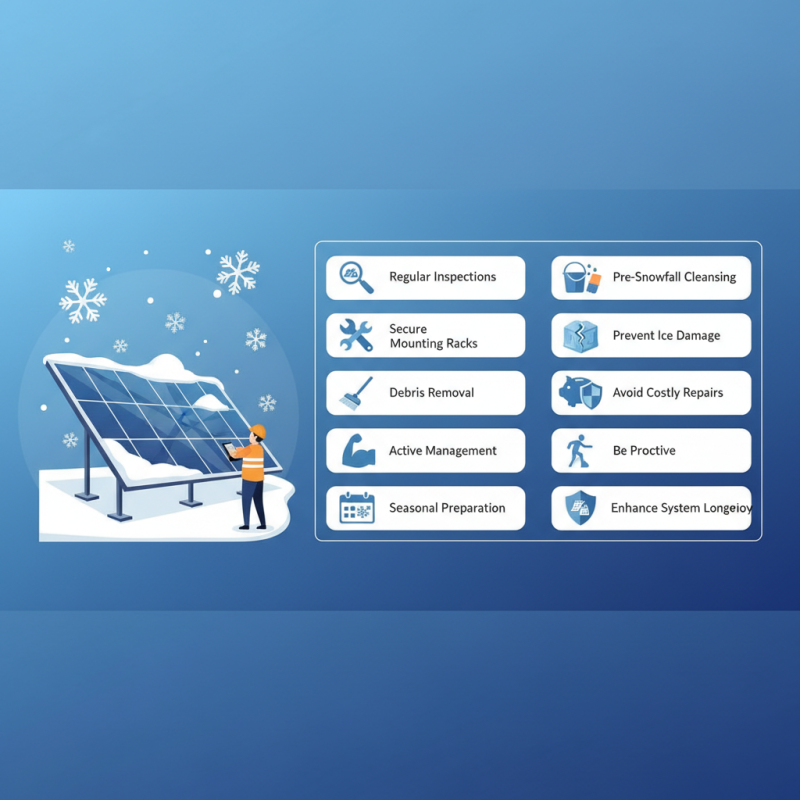
Snow buildup can obstruct sunlight, reducing energy output. Regular inspections help catch issues early. Ensure the mounting racks are secure and free of debris. Active management is key because heavy snowfall can lead to structural stress.

Another vital aspect is seasonal preparation. Cleansing the racks before heavy snowfalls can prevent ice-related damage. Over time, neglecting this can lead to costly repairs. Remain proactive. Following expert advice can safeguard your investment and enhance system longevity.
Top 10 Tips for Maintaining Solar Mounting Racks in Snowy Areas?

Understanding the Impact of Snow on Solar Mounting Racks

Snow accumulation can significantly impact solar mounting racks. Heavy snow can lead to structural stress on the racks. Ice formation may also weaken the connections between the panels and the structure. Understanding these effects is essential in snowy regions.

Regular inspections should be a priority. Look for signs of structural damage after snowstorms. Ensure that the mounting system remains secure and stable. Accumulated snow can block sunlight, decreasing energy production. Clearing snow off the panels is crucial but must be done carefully to avoid damage.

Choosing the right angles for your solar panels helps reduce snow retention. Steeper angles allow snow to slide off more easily. Additionally, selecting durable materials can enhance longevity and resilience against harsh winter conditions. Proper maintenance of solar mounting racks will ensure optimal performance throughout the year.

Choosing the Right Type of Solar Mounting Racks for Snowy Conditions

When choosing solar mounting racks for snowy areas, durability is key. Look for materials that resist corrosion and extreme weather. Aluminum and galvanized steel are popular options. They provide the necessary strength without adding excessive weight. Proper installation angle also plays a significant role. A steeper angle can help snow slide off more easily, preventing accumulation.

Consider adjustable racks if you're in an area with heavy snowfall. These allow for changes in angle based on season. Ensure the foundation is sturdy, as shifting snow loads can stress the structure. Research local building codes; they often provide valuable guidelines for safety.

Maintenance is crucial with any system, especially in snowy climates. Inspect racks regularly for any signs of wear. Look for rust or loose bolts that could affect stability. Snow can hide moisture, leading to unseen damage. Address potential issues early to avoid costly repairs. A proactive approach enhances longevity and performance.

Top 10 Tips for Maintaining Solar Mounting Racks in Snowy Areas

Regular Inspection and Maintenance Tips for Snow-Covered Racks

Snow can weigh heavily on solar mounting racks, leading to potential issues if not properly managed. Regular inspection is key. Check for snow accumulation, as excessive weight can damage the racks. Use a soft brush or shovel to carefully remove snow, avoiding harsh tools that may scratch or bend the panels.

Inspect the structural integrity of the mounting system regularly. Look for signs of rust or wear, especially where metal parts connect. These small issues can become major problems over time. It's crucial to address them promptly. Document any changes you observe during inspections to track deterioration patterns.

Consider the angle of your racks; an ideal tilt can help snow naturally slide off. Remember to use caution when accessing roofs or elevated areas. Safety should always come first. Snowy conditions can obscure hazards. Each winter brings unique challenges that require thoughtful solutions. Reflect on past winters and adapt your maintenance strategy accordingly.

Top 10 Tips for Maintaining Solar Mounting Racks in Snowy Areas

Tip Number Maintenance Tip Frequency Equipment Needed Expected Outcome
1 Clear snow accumulation from racks After every snowfall Snow shovel, brush Prevent damage and maintain efficiency
2 Inspect for structural damage Monthly Visual inspection tools Identify potential issues early
3 Check for corrosion and rust Every season Corrosion tester, inspection mirror Extend lifespan of racks
4 Tighten loose bolts and connections Bi-annually Wrench set Ensure stability and safety
5 Inspect electrical connections Quarterly Voltage tester Prevent electrical failures
6 Ensure proper drainage around racks Seasonally Shovel, drainage tools Avoid water pooling and ice formation
7 Install heating cables if necessary Before winter Heating cables Minimize snow buildup
8 Review warranty and manufacturer recommendations Annually Documentation Ensure compliance with warranty terms
9 Monitor system performance Monthly Performance monitoring system Identify any drop in energy production
10 Seek professional help for repairs As needed Contact information for service providers Ensure safe and proper repairs

Effective Snow Removal Techniques for Solar Panels

In snowy regions, solar panel efficiency can be seriously impacted by snow accumulation. Studies show that solar panels can lose up to 30% of their effectiveness with just a few inches of snow. Effective snow removal is crucial for maintaining energy production during winter months.

Using a roof rake can be an effective technique to remove snow. Ensure you use a rake with a rubberized edge to prevent damage to the panels. It's recommended to start from the top of the array and work your way down. Avoid using metal tools as they can scratch the glass surface, leading to decreased performance.

Another method involves using a warm water spray to gently melt the snow. However, discrepancies in temperature can cause thermal shock, potentially cracking the glass. Regular inspections can help identify snow-related issues early. A professional assessment can ensure that your panels are operating at optimal capacity despite the challenges of winter weather. Keeping an eye on local weather reports can also inform you when snow removal might be necessary.

Ensuring Optimal Performance of Solar Racks During Winter Months

Winter months can pose significant challenges for solar mounting racks, especially in snowy areas. Accumulated snow on solar panels can block sunlight, reducing energy production. According to a report from the National Renewable Energy Laboratory (NREL), panels can lose up to 30% efficiency due to snow cover. Therefore, maintenance during this season is crucial.

Regular inspections are essential. Snow can create excess weight, leading to potential damage. It's crucial to check mounting racks for signs of wear or stress. Additionally, using a snow rake can help remove snow buildup without harming the panels. Proper positioning of racks also matters; tilting panels at an optimal angle can often allow snow to slide off naturally.

Monitoring performance is another key aspect. Keeping track of daily energy output can help identify issues early. If performance drops significantly during winter, it may indicate that the racks are suffering from snow issues. Adopting these practices can enhance reliability and ensure that solar systems remain functional, even when winter weather is harsh. Remember that not every solution is perfect. Each setup may require individual adjustments tailored to specific environmental conditions.

FAQS

: How does snow accumulation affect solar panels?

: Snow can block sunlight and reduce energy production significantly. Panels may lose up to 30% efficiency due to snow cover.

What should I do after a snowstorm?

Regular inspections are vital. Look for signs of structural damage on the mounting racks.

How can I safely remove snow from solar panels?

Use a roof rake with a rubberized edge. Start from the top and work your way down carefully.

Is using metal tools safe for snow removal?

No, avoid metal tools. They can scratch glass surfaces and lower panel performance.

What angle should solar panels be for snow?

Steeper angles help snow slide off more easily and reduce accumulation.

How important is monitoring performance during winter?

Monitoring energy output is essential. It helps identify issues caused by snow early.

Can I use warm water to melt snow on panels?

Yes, but be cautious. Temperature differences may cause thermal shock and crack the glass.

What materials enhance snow resilience for solar racks?

Choosing durable materials is key. They will improve the longevity of the mounting system.

How often should I inspect solar racks in winter?

Inspect regularly, especially during and after snowstorms, to ensure everything remains secure.

Are there perfect solutions for all situations?

No solution fits all setups. Individual adjustments may be needed based on specific environmental conditions.

Conclusion

In regions that experience heavy snowfall, effectively maintaining solar mounting racks is crucial for maximizing energy production and ensuring longevity. This involves understanding the specific impact of snow on these structures, which can add significant weight and potentially cause damage if not managed properly. Choosing the right type of solar mounting racks designed for snowy conditions is essential to withstand harsh weather elements.

Regular inspections and maintenance are necessary to identify and address potential issues before they escalate. It is also important to employ effective snow removal techniques to clear snow from solar panels without risking damage. By following these guidelines on how to maintain solar mounting racks in heavy snow areas, solar energy systems can continue to operate at optimal performance throughout the winter months, ensuring reliable energy generation even in challenging weather conditions.

Oliver

Oliver

Oliver is a seasoned marketing professional with a wealth of expertise in driving brand awareness and engagement. With a deep understanding of our company's product offerings, he consistently delivers high-quality content that enriches our professional blog. His insights not only shed light on......