Why is My Solar Roof Mount Leaking After Installation Tips

Time:2026-05-01 Author:Henry
0%

The growing trend of solar energy adoption has heightened concerns about installation quality. A common issue homeowners face is the question, "Why is my solar roof mount leaking after installation?" Research indicates that improper sealing and inadequate mounting techniques are frequent culprits. According to a report by the Solar Energy Industries Association (SEIA), nearly 20% of all solar roof issues stem from installation flaws.

Experts in the field, like Dr. Janet Collins, emphasize that "proper techniques are vital to prevent leaks and ensure the longevity of solar systems." Leaks not only damage roofing but can also compromise the efficiency of solar panels. Many homeowners overlook maintenance aspects post-installation, leading to expensive repairs.

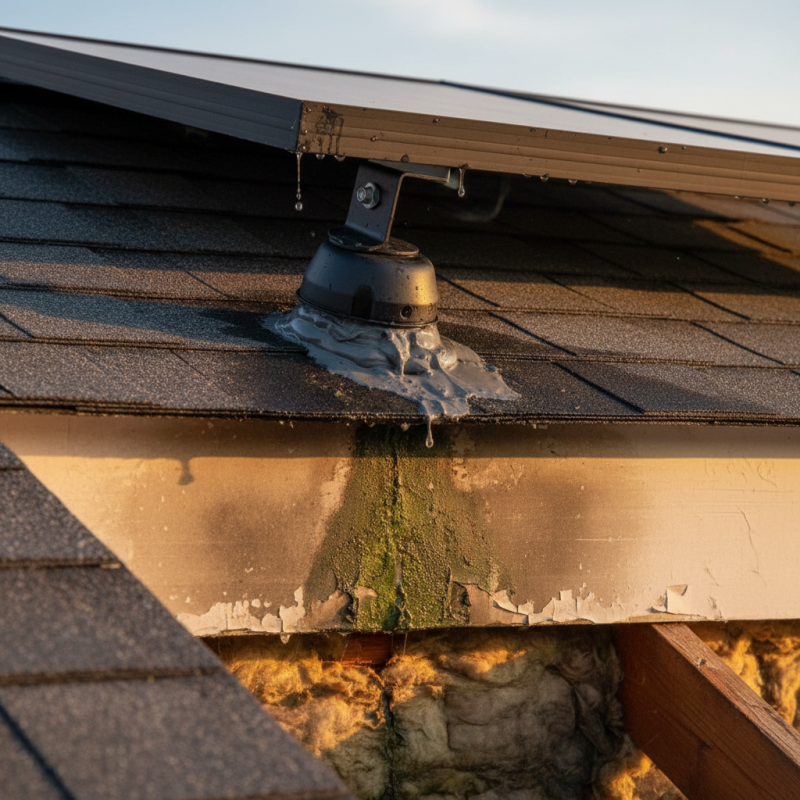
It’s essential to recognize the signs of potential leaks early. For instance, water stains, mold, or peeling paint near the solar mounts can indicate underlying issues. Taking a proactive approach can save significant costs and protect investments. Addressing these concerns prompts homeowners to reflect on their installation choices and seek professional advice.
Why is My Solar Roof Mount Leaking After Installation Tips

Understanding Common Causes of Solar Roof Mount Leaks

Solar roof mounts can experience leaks post-installation for various reasons. One common cause is improper sealing around mounting brackets. If the sealant used is subpar, moisture can seep into your roof, leading to potential damage. Make sure that each mounting point is thoroughly inspected for leaks. Gaps in the sealant can create issues.

Another issue stems from roof surface damage. Solar panels are heavy, and if the roof was not in great condition before installation, it could exacerbate existing problems. Look for cracks, old shingles, or weak spots. These vulnerabilities can lead to water entering the home. Regular maintenance is essential to prevent such leaks.

Finally, incorrect installation can lead to issues. If the panels are not aligned properly, water can collect in unwanted areas. This can create localized pooling and eventually lead to leaks. Always consider hiring professionals with experience in solar installations. Their expertise can save you from costly repairs down the line.

Essential Installation Practices to Prevent Leaks in Solar Roof Systems

When installing a solar roof system, preventing leaks is crucial. Proper installation practices are essential for ensuring the longevity of your solar array. Let's explore some effective tips to avoid leaks.

One common mistake is improper flashing installation. Flashing should be fitted tightly around your mounting brackets. Gaps can allow water to seep in. Regularly check these areas after installation. These checks can save you from significant damage over time. Use high-quality sealants around penetrations. They provide an additional barrier against leaks.

Another tip is to keep gutters and downspouts clear. Debris buildup can cause water to pool around the solar mounts. If water accumulates, it may trickle into the roofing system. Educating yourself about maintenance is important. Regular visual inspections can help you spot and address potential issues early. Remember, small leaks can lead to big problems later.

Impact of Climate on Solar Roof Leak Incidence Rates

Climate can significantly impact the likelihood of leaks in solar roof mounts. Areas with heavy rainfall or snow may see higher leak rates. This is due to excessive moisture accumulation and inadequate drainage. The materials used in installation may also react differently to climate extremes.

In hot climates, solar panels can expand and contract. This movement might compromise sealing materials. In cold regions, ice and snow can create pressure points. Eventually, these factors lead to weakened joints and seams.

Homeowners should regularly inspect their solar roofs. Look for signs of wear or damage after storms. It’s essential to ensure proper sealing and drainage to minimize risks. While leaks can be a minor hassle, understanding your climate will help in maintaining your solar investment.

Impact of Climate on Solar Roof Leak Incidence Rates

This bar chart illustrates the incidence rates of solar roof leaks in different climatic conditions. The data shows that inclement weather, such as high rainfall and snowfall, significantly increases the likelihood of leaks, particularly in more extreme climates.

Materials and Sealants: Choosing the Right Options for Leak Prevention

When it comes to solar roof mounts, the choice of materials and sealants is crucial for preventing leaks. A report by the National Renewable Energy Laboratory (NREL) highlights that improper sealing accounts for nearly 30% of roof leaks in solar installations. This statistic underscores the importance of selecting high-quality, weather-resistant materials. Polyurethane sealants are often recommended due to their flexibility and durability, adapting well to roof movements.

In addition to choosing the right sealants, installation techniques play a significant role. According to industry studies, misalignment in mounting brackets can lead to improper sealing, increasing leak risks. Ensuring the correct placement and securing of these components is vital. Experienced installers should perform regular inspections and maintenance to address any potential issues early.

Even the best materials have limitations. Environmental factors, such as extreme weather and UV exposure, can degrade sealants over time. It's essential to consider the longevity of materials used. An awareness of these vulnerabilities allows property owners to select options that balance durability with cost-effectiveness. Reflecting on past experiences and mistakes can help future installations be more successful.

Why is My Solar Roof Mount Leaking After Installation Tips - Materials and Sealants: Choosing the Right Options for Leak Prevention

Material/Sealant Application Method Effectiveness Durability Cost
Silicone Sealant Caulking Gun High 5-10 years $10-20 per tube
EPDM Roofing Adhesive Roll-on or Spray Very High 10-20 years $50-100 per gallon
Butyl Tape Peel and Stick Moderate 5-15 years $10-30 per roll
Liquid Rubber Coating Brush or Roll High 10-15 years $100-200 per bucket
Polyurethane Sealant Caulking Gun Very High 15-30 years $15-25 per tube

Maintenance Tips to Identify and Resolve Solar Roof Leaks Early

Identifying and resolving solar roof leaks early is crucial for maintaining your system's efficiency. Regular inspections can save you from significant repair costs later. Start by checking the seams and flashings where installation occurred. These areas are common failure points. Look for signs of water stains on your ceiling or walls; these could indicate a leak.

Many solar roof installations miss proper sealing. A small gap can lead to larger issues over time. If you notice any moisture, investigate immediately. Use a moisture meter for a more accurate assessment. Otherwise, the leak may worsen, causing damage to your roof structure.

Routine maintenance should include cleaning debris from solar panels and inspecting surrounding areas. Pay attention to sealants and flashing around the mounts; deterioration often leads to leaks. If you're unsure about the condition of your installation, consult a professional. Timely intervention can save both your roof and your wallet in the long term.

Being proactive is key to preventing leaks and ensuring the longevity of your solar investment.

FAQS

: How can I prevent leaks in my solar roof system?

: Ensure proper flashing installation around mounting brackets to prevent gaps. Regular checks can help catch issues early.

What maintenance is required for solar roof systems?

Keep gutters and downspouts clear of debris. This prevents water pooling that may lead to leaks around mounts.

How can I identify potential leaks in my solar roof?

Inspect seams and flashings regularly. Look for water stains on ceilings or walls as signs of possible leaks.

What should I do if I find a small leak?

Investigate immediately using a moisture meter. Small issues can worsen and cause significant damage if left ignored.

How often should I inspect my solar roof system?

Regular inspections are crucial. Make visual checks every few months or after severe weather to catch issues early.

What materials can help prevent leaks?

High-quality sealants should be used around penetrations. They provide an additional barrier against potential leaks.

What signs indicate that I might have a leak?

Look for signs like discoloration or dampness around seals. These could indicate underlying issues that need addressing.

Is it advisable to consult a professional?

Yes, if unsure about the condition of your solar roof installation, professional advice can prevent costly repairs later on.

Conclusion

In addressing the question "Why is my solar roof mount leaking after installation," it is essential to understand the common causes of leaks, which can often stem from improper installation, inadequate sealing, or poor choice of materials. Essential installation practices, such as ensuring proper flashing and alignment, are critical in preventing leaks in solar roof systems. Additionally, environmental factors and climate conditions can significantly impact the incidence rates of leaks, necessitating careful planning and execution in various weather scenarios.

Choosing the right materials and sealants is vital for leak prevention, as quality products can withstand the rigors of outdoor exposure. Regular maintenance and inspections facilitate the early identification and resolution of any leaks, helping to protect your investment in solar energy. By following these guidelines, homeowners can minimize the risk of leaks and enjoy the benefits of their solar roof systems without the worry of water damage.

Henry

Henry

Henry is a dedicated marketing professional with a profound expertise in the company's offerings. With years of experience in the industry, he possesses an impressive understanding of the market dynamics and consumer behaviors that drive success. Henry is committed to sharing his insights through......