As renewable energy gains traction, many homeowners explore solar options. One popular choice is the solar ground mount system. This system allows for efficient energy production, especially on larger properties. However, potential buyers often ask, "How much does a solar ground mount system cost per kilowatt?" Understanding this cost is crucial for budgeting.
The expenses associated with these systems can vary widely. Factors include installation, equipment quality, and location. Knowing the average price per kilowatt helps homeowners evaluate their investment. It's pivotal to weigh the long-term savings against the initial costs. Some may find the upfront investment daunting, which can lead to hesitation.
Solar energy remains an area where knowledge continues to grow. As technology evolves, so too does pricing. Homeowners must consider not only money but also environmental impact. The quest for cost-effective solar solutions reflects a broader commitment to sustainability. Each installation is unique, making comprehensive research invaluable.
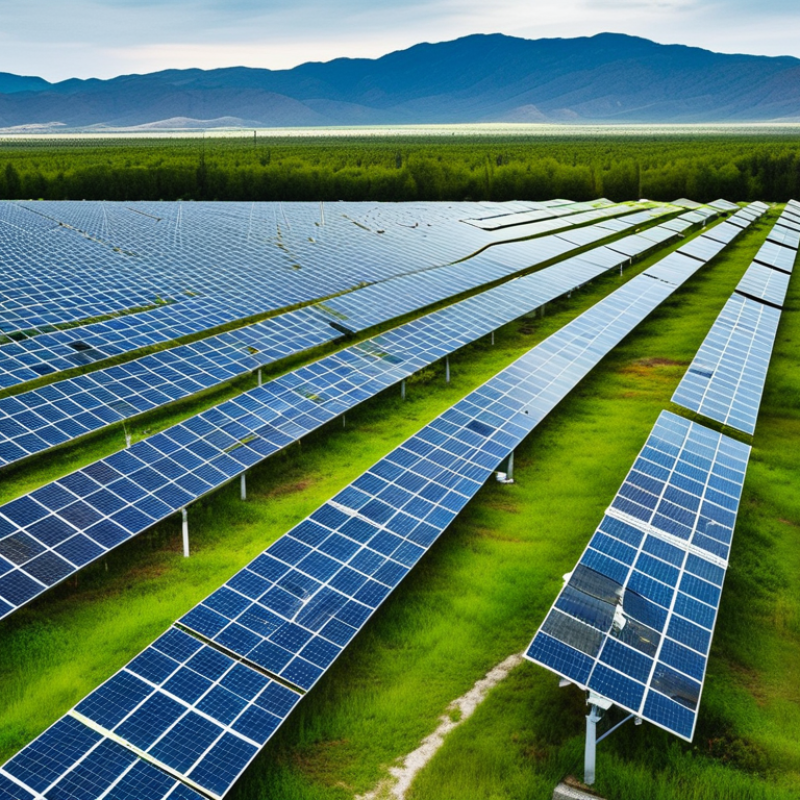
Overview of Solar Ground Mount Systems
Solar ground mount systems have gained popularity in recent years. They offer an effective way to harness solar energy. These systems are designed for use in yards or fields. This makes them ideal for large installations. They are also versatile in terms of layout.
In terms of cost, solar ground mount systems usually range from $1,000 to $3,000 per kilowatt. Prices can vary based on several factors. These include installation complexity, location, and system size. While the upfront cost can be daunting, the long-term savings on energy bills can be significant. It’s important to evaluate your unique situation before deciding.
There are challenges with these systems. Ground conditions can complicate installation. Uneven terrain may require extra materials or labor. Additionally, maintenance may also be more demanding than roof-mounted systems. Each installation is unique, requiring careful planning and consideration. The end goal is to create a reliable energy source that meets your needs effectively.
Factors Influencing Cost per Kilowatt
When considering a solar ground mount system, the cost per kilowatt can vary significantly. Several factors play crucial roles in determining the overall expense. One primary element is the location; regions with abundant sunlight generally lead to better efficiency and cost-effectiveness. According to the National Renewable Energy Laboratory (NREL), systems installed in high solar radiation areas can yield a lower cost per kilowatt, enhancing return on investment.
Another influential factor is the size and scale of the installation. Large-scale solar projects often benefit from economies of scale. Reports indicate that utility-scale installations can cost as low as $1,000 per kilowatt. In contrast, smaller residential systems may range from $1,500 to $3,000 per kilowatt due to higher relative installation costs. Additional aspects, including labor and permitting fees, also contribute to the total price.
Moreover, technology choice matters. Different types of solar panels and inverters carry varying price tags. More efficient models might offer long-term savings but come with higher upfront costs. Evaluating options carefully can provide both performance benefits and financial implications that merit deeper reflection. The energy market is constantly evolving, adding a layer of complexity to these decisions. Understanding these factors can help consumers make informed choices.
Average Cost Estimates for Installation
When considering a solar ground mount system, understanding installation costs is crucial. The average price typically ranges from $2,500 to $4,000 per kilowatt. This average reflects installation, equipment, and labor costs. Additional expenses may arise from site preparation. Proper land assessment is often overlooked, but it can significantly impact the overall budget.
Many factors influence the final cost of installation. Geography, system size, and local labor rates play a role. For instance, rural locations might have lower labor costs but increased expenses for transporting materials. Site characteristics can vary, leading to unexpected challenges. This makes accurate pricing difficult. Homeowners should seek multiple quotes to ensure a fair assessment.
While solar energy offers long-term savings, upfront costs can seem daunting. Understanding these factors is vital for informed decision-making. Engaging experienced professionals can help clarify potential hidden costs. Thus, planning and research will make the investment worthwhile.
Average Cost of Solar Ground Mount Systems per Kilowatt
This chart illustrates the average cost of solar ground mount systems per kilowatt over the past few years and provides a projection for the upcoming year. The data shows a downward trend in costs, making solar energy more accessible to consumers.
Comparative Analysis with Rooftop Solar Systems
When considering solar energy options, many people weigh the costs of solar ground mount systems against rooftop installations. Ground-mounted systems often require more land. This can lead to increased costs for ground preparation and installation. However, they typically allow for larger capacity systems. More panels can be installed, improving overall energy output.
Rooftop solar systems can be less expensive upfront. They usually leverage existing structures, minimizing installation costs. However, they are limited by available roof space and orientation. Not all roofs are suitable for solar panels. Some homes may face shading issues, reducing efficiency. This can hinder the overall return on investment.
When evaluating these options, potential solar users should think about both short-term and long-term costs. A ground mount may be a higher initial expense but could pay off better over time. On the other hand, rooftops can provide a quicker payoff but may have hidden costs. It's essential to analyze your unique situation carefully. Understanding these factors can help guide better decision-making in solar investments.
How much does a solar ground mount system cost per kilowatt? - Comparative Analysis with Rooftop Solar Systems
| System Type |
Average Cost per kW |
Installation Cost |
Land Use Area (sq ft/kW) |
Maintenance Cost per Year |
| Ground Mount |
$1,500 |
$1,000 |
100 |
$150 |
| Rooftop |
$2,000 |
$1,500 |
50 |
$100 |
| Hybrid System |
$1,800 |
$1,200 |
75 |
$120 |
Long-term Financial Benefits of Ground Mount Systems
Ground mount solar systems are an excellent long-term investment. While the initial cost per kilowatt may seem significant, the financial benefits are substantial. These systems typically generate more energy than rooftop setups. This efficiency leads to lower utility bills and greater savings over time. Over the years, this can result in a notable return on investment.
The durability of ground mount systems also plays a crucial role in their financial appeal. They can last longer and often require less maintenance than other options. This reliability means fewer unexpected costs. However, the installation process can be complex and may require land preparation. Potential buyers must consider this factor as it can affect the overall project cost.
Many homeowners and businesses see ground mount solar as a way to enhance property value. While the upfront investment demands careful consideration, the long-term savings often outweigh initial concerns. This dual benefit adds to the attractiveness of solar energy. Making informed choices requires thorough research and professional assessment. It's essential to weigh potential obstacles when planning an installation.
FAQS
: Location and sunlight availability greatly affect efficiency and overall costs.
Larger projects benefit from economies of scale; smaller systems are usually more expensive per kilowatt.
Utility-scale projects can cost around $1,000 per kilowatt, while residential systems can vary from $1,500 to $3,000.
More efficient solar panels and inverters often come with higher upfront costs but can offer long-term savings.
Ground mounts need more land and may have higher installation costs, but they allow for larger energy output.
They can be cheaper upfront, but may also involve hidden costs and space limitations.
Assessing both can lead to better investments; ground mounts may cost more initially but yield better returns.
Shading, orientation, and available space significantly affect the efficiency of rooftop systems.
Yes, personal factors greatly influence what type of solar system will be most effective for you.
Conclusion
Solar ground mount systems offer an effective way to harness solar energy, but one of the most frequently asked questions is, "How much does a solar ground mount system cost per kilowatt?" Several factors influence this cost, including the installation site, system size, and specific local regulations or incentives. Typically, average cost estimates can range widely, often falling between $1.50 to $3.00 per watt, depending on these variables.
When compared to rooftop solar systems, ground mount systems can often require a higher initial investment due to additional land preparation and mounting infrastructure. However, they tend to yield greater energy production efficiency over time, leading to long-term financial benefits. Ultimately, while the upfront costs may be higher, the potential savings and energy output make solar ground mount systems a compelling choice for renewable energy seekers.

 Illumino Solar