The question, "Can solar carports withstand hurricane-force wind speeds?" has gained attention as extreme weather events become more common. Experts like Dr. Emily Thorn, a specialist in renewable energy systems, have pointed out the challenge. She stated, "Designing solar carports to endure intense winds requires careful engineering and materials assessment."
Solar carports serve a dual purpose: generating energy and providing vehicle shelter. However, their structural integrity during strong storms raises concerns. The size and configuration of these installations can play a critical role in their ability to withstand harsh conditions. The wind can be unpredictable, and sometimes even the best design may not hold up.
Numerous studies are underway to address this issue. Engineers are experimenting with various designs to improve resilience. Still, the inherent limitations of materials can lead to vulnerabilities. As we face climate change, the need for sustainable solutions that can endure extreme weather is vital. The question remains: are we doing enough to ensure that solar carports can survive hurricane-force winds?
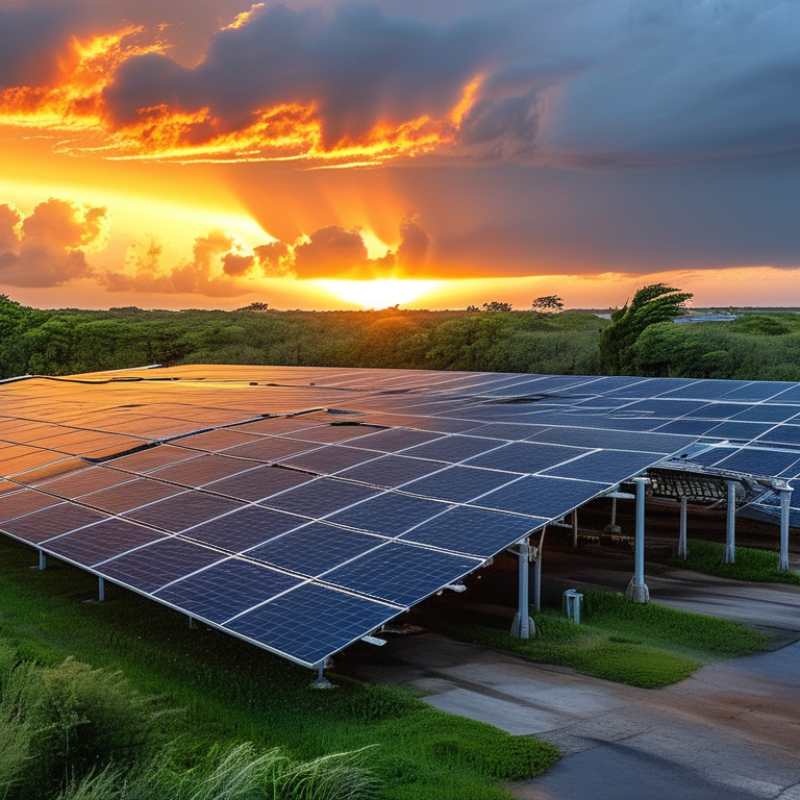
Factors Affecting Solar Carport Stability During Hurricanes
Hurricanes pose significant challenges for infrastructure, including solar carports. Understanding the factors affecting their stability is crucial. The design and materials of solar carports directly impact their resilience.
According to a report by the National Renewable Energy Laboratory, well-engineered carports can withstand winds exceeding 120 mph.
Wind load is a critical factor. Carports with aerodynamic designs fare better than those with flat surfaces, which can act as sails. Structural reinforcement, such as using thicker supports and stronger materials, enhances durability.
Another key consideration is the foundation. Deep, secure anchoring systems can prevent uplift during high winds. Conversely, insufficient anchoring can lead to catastrophic failures.
Weather data shows that the frequency of severe hurricanes is increasing. Researchers from the University of Florida highlight the necessity for updated codes and standards in areas prone to storms. Continuous improvements in design practices are needed.
Some existing carports might struggle under extreme conditions. Evaluating vulnerability and reinforcing structures can make a significant difference in resilience. Regular inspections and maintenance are essential in ensuring long-term stability.
Engineering Design Considerations for Hurricane-Resistant Solar Carports
Hurricane-resistant solar carports involve careful engineering design. Strengthening structures to withstand extreme winds is essential. According to the National Oceanic and Atmospheric Administration (NOAA), hurricanes can produce wind speeds exceeding 157 mph. This necessitates materials that can endure such forces.
Utilizing reinforced steel and high-performance concrete enhances durability. These materials can help absorb impact and resist deformation. The Solar Energy Industries Association (SEIA) reports that a well-designed solar carport can generate energy while providing shelter. However, the risk of solar panels being dislodged during storms remains a concern.
Integrating flexible designs allows for better wind resistance. Features like adjustable mounts can help panels align properly during high winds. Testing these designs in simulated conditions is crucial. Prototypes often reveal weaknesses that need addressing. Continued research on site-specific weather patterns informs better design choices. Each region's unique challenges require tailored solutions for optimal performance.
Materials Used in Constructing Durable Solar Carports
Solar carports are gaining popularity due to their utility and environmental benefits. However, the materials used in their construction are crucial for durability, especially in areas prone to hurricanes. Steel frames are often used for structural support. Steel stands strong against high winds. It's resistant to corrosion, ensuring longevity.
Polycarbonate panels serve as an excellent roofing material. They are lightweight yet sturdy. Unlike glass, they do not shatter easily under stress. This characteristic makes them a preferred choice for hurricane-prone areas. However, some might question their long-term durability. Over time, exposure to UV rays may cause some degradation.
Another common material is aluminum. It is lightweight and highly resistant to rust. However, aluminum can sometimes bend under extreme pressure. Ensuring a proper design can help mitigate this weakness. Additionally, anchor systems using concrete can offer extra stability. But the effectiveness of the anchoring depends on the ground conditions. This variability needs careful consideration when planning solar carport installations.
Case Studies of Solar Carports in Hurricane-Prone Areas
Hurricane-prone areas pose unique challenges for solar carports. Studies reveal that solar installations must withstand extreme weather to ensure safety and longevity. In Florida, a report showed that carports built to meet the Florida Building Code withstood winds up to 150 mph during recent hurricanes. This emphasizes the importance of rigorous design standards.
Tropical storms can cause severe damage, but not all carports are created equal. Some designs failed to meet wind resistance requirements, leading to structural failures. Homeowners must consider material choices and construction methods carefully. Metal frames, for example, offer better resilience compared to wood structures.
Tip: Regular maintenance can prolong the life of your solar carport. Inspect fasteners and connections regularly.
Moreover, real-world case studies highlight the need for local adaptation. Solar carports located in areas with a history of hurricanes demonstrated various performance levels. Those elevated off the ground and secured with proper anchorage performed significantly better.
Tip: Consider installation in accordance with local guidelines and best practices. This will enhance safety and performance.
In racing winds and relentless storms, proper planning is crucial. Carports that are well-engineered can prove their worth by surviving fierce conditions.
Future Innovations for Enhancing Solar Carport Resilience
As the demand for renewable energy increases, solar carports are gaining attention. They provide shade while generating electricity. However, their ability to withstand hurricane-force winds is a pressing concern. Future innovations must focus on enhancing resilience in storm-prone areas.
One potential solution lies in advanced materials. Utilizing reinforced composites can significantly increase the durability of solar panels and carport structures. Aerodynamic designs can help direct winds away from the carports, reducing the risk of damage. Additionally, anchoring systems that can withstand extreme forces will be essential to ensure stability during severe weather.
Tips for building resilient solar carports include:
- Incorporate wind-resistant designs as a priority.
- Use corrosion-resistant materials for longevity.
- Regular maintenance checks can identify weak points before a storm.
Innovative technologies, such as smart sensors, can monitor the structural integrity in real-time. These sensors can alert owners of potential issues ahead of bad weather. Investments in these technologies could be game-changers. They promise not just to enhance resilience but also to ensure the safety of vehicles parked underneath. Therefore, the focus on innovation in solar carports is not just about energy generation; it’s about creating safer spaces amidst nature’s unpredictability.
FAQS
: Reinforced steel and high-performance concrete are recommended for their durability and ability to withstand extreme winds.
Wind resistance ensures the safety and longevity of solar carports in hurricane-prone areas, preventing structural failures.
Flexible designs with adjustable mounts allow solar panels to align better in high winds, improving their stability.
Solar carports built to Florida Building Code survived winds up to 150 mph, highlighting the importance of strong design standards.
Homeowners must consider material choices and construction methods for better resilience against hurricanes.
Regular maintenance, such as inspecting fasteners and connections, can significantly extend the lifespan of solar carports.
Carports elevated off the ground and properly anchored performed better in hurricane conditions compared to others.
No, some designs fail to meet wind resistance requirements, leading to failures during storms.
Local adaptation to specific weather patterns is crucial for optimizing the performance of solar carports.
Yes, testing designs in simulated conditions helps identify weaknesses that need to be addressed for better durability.
Conclusion
The article titled "Can Solar Carports Survive Hurricane Force Winds?" explores the critical factors that influence the stability of solar carports during hurricanes. Key considerations include engineering design strategies aimed at enhancing resilience against hurricane-force winds, as well as the selection of high-quality materials for construction. Additionally, the article examines case studies of solar carports that have successfully withstood extreme weather in hurricane-prone regions, providing valuable insight into effective practices and outcomes.
Future innovations are also discussed, focusing on advancements that could further improve the durability of solar carports against severe storms. Ultimately, the question remains: can solar carports withstand hurricane-force wind speeds? This exploration highlights the importance of thoughtful design and robust materials in ensuring the safety and longevity of solar energy infrastructure in vulnerable areas.

 Illumino Solar