When it comes to solar roof mounts, many homeowners find themselves asking, "Why is my solar roof mount leaking after installation?" This issue can be quite frustrating and stressful. Experts suggest that improper installation is often the root cause. According to Emma Johnson, a leading solar energy consultant, “Even small mistakes in installation can lead to significant water damage.”
Understanding the factors contributing to leaks is essential. Many factors can cause leaks, from faulty seals to poor drainage systems. Improperly installed flashing or inadequate sealing materials can lead to serious problems. These issues may not be apparent right away, leading homeowners to overlook potential damage.
Moreover, some leaks may occur due to environmental factors, such as extreme weather conditions or heavy snowfall. Rainwater can get trapped, resulting in pooling, which puts extra pressure on the mounting. This highlights the importance of hiring a qualified professional for installation. Reflecting on these details can help homeowners avoid future headaches.
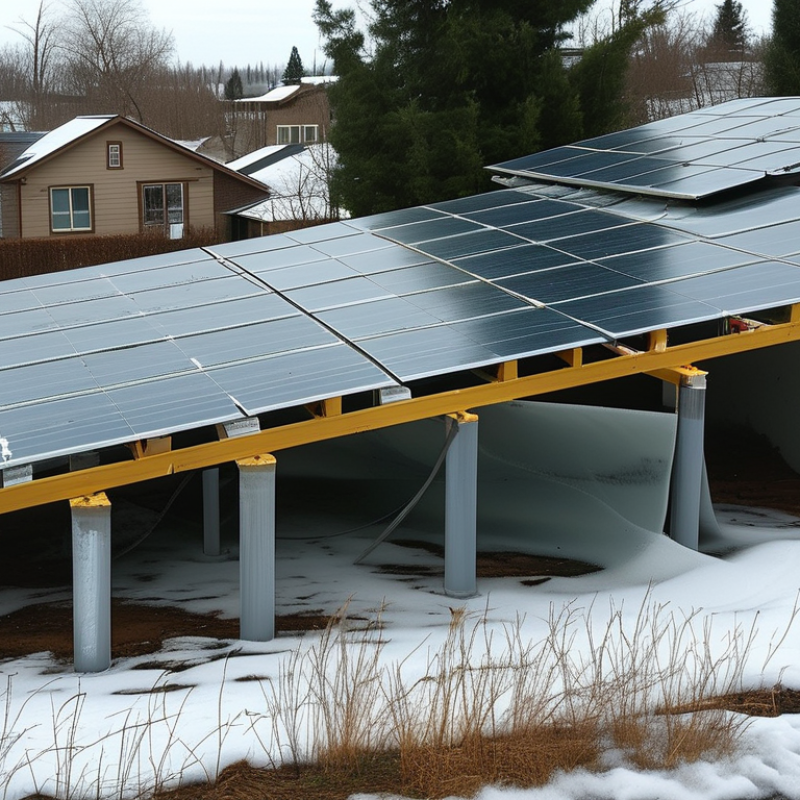
Leaks in newly installed solar roof mounts can be frustrating for homeowners. According to a report by the Solar Energy Industries Association, improper installation is a leading cause of these leaks. A faulty flashing or a poorly sealed connection can allow water to penetrate. In fact, studies have shown that nearly 20% of leaks occur due to inadequate sealing techniques used during installation.
Another common issue is thermal expansion. As temperatures fluctuate, materials expand and contract. This movement can weaken seals over time. A survey by the National Renewable Energy Laboratory indicates that 15% of solar roof leaks stem from this very problem. Additionally, if the roof itself had pre-existing damage, it may exacerbate leak issues once solar mounts are installed.
Regular inspections are crucial. Homeowners should check for visible gaps or signs of moisture. Sealants should be refreshed periodically. It’s also wise to examine your solar mounts after severe weather events. Don't overlook these details; they play a critical role in the longevity of your solar roof installation.
Consider using high-quality sealing products designed for solar installations. Always consult with certified professionals for installation to ensure you're avoiding potential pitfalls. These proactive measures can significantly reduce the risk of leaks down the line.
When installing a solar roof mount, proper techniques are essential. Poor installation can lead to leaks, causing damage over time. According to industry reports, nearly 30% of solar installations experience issues linked to faulty workmanship. This statistic highlights the need for experienced professionals in this field.
Improper sealing is a common cause of roof leaks. If the flashing and sealants are not applied correctly, water can infiltrate vulnerable areas. Additionally, failing to secure the solar mounts adequately can create gaps that allow moisture to penetrate. Regular inspections of the roof mount can prevent these issues from escalating.
Tips: Ensure the installer is certified and has a solid track record. Ask for references and review their previous installations. Also, consider scheduling periodic maintenance checks to spot potential leaks early on. A proactive approach can save homeowners from costly repairs later. Remember, investing time in proper installation pays off in the long run.
Quality materials are crucial when installing solar roof mounts. Using subpar materials can lead to leakage, which is a common issue post-installation. According to a report by the National Renewable Energy Laboratory, over 20% of solar installations experience leaks within the first few years. This statistic highlights the need for reliable components in solar mounting systems.
Sealing materials must withstand various weather conditions. Poor-quality seals can degrade quickly, leading to water intrusion. A study published in the Journal of Solar Energy Engineering found that installations using high-grade seals had a 30% lower incidence of leaks. Choosing certified materials not only prevents leaks but also ensures longevity.
The installation quality is equally important. Even the best materials cannot compensate for poor craftsmanship. Data shows that improper installation techniques account for nearly half of all water intrusion problems. Therefore, working with experienced professionals who adhere to industry standards is essential. Making informed choices can significantly reduce the risk of leaks and enhance the performance of your solar system.
Weather conditions play a crucial role in the integrity of solar roof mounts. Heavy rain can seep into vulnerable areas if installations are not done properly. Wind storms may cause movement, leading to loosening of connections. Snow accumulation on panels can increase weight, stressing the mounting systems. Each of these factors can contribute to leaks over time.
When roof mounts are installed, it is essential to ensure proper sealing and anchoring. If not, problems may arise. A small oversight can create larger issues down the line. Routine inspections are key. They allow homeowners to catch potential problems early before they lead to significant leaks or damage. Being aware of local weather patterns is equally important in maintaining the integrity of solar installations.
Ultimately, every solar installation comes with its own set of challenges. Knowledge and preparation can mitigate risks associated with weather. Testing and continual learning about your system can greatly improve your roof's longevity.
| Reason | Description | Weather Condition Effects | Prevention Techniques |
|---|---|---|---|
| Improper Installation | Faulty sealing or incorrect mounting can lead to leaks. | Heavy rains may expose installation flaws. | Ensure professional installation and regular inspections. |
| Material Fatigue | Over time, materials can degrade and become loose. | Extreme temperature variations can accelerate degradation. | Use high-quality materials designed for durability. |
| Clogged Drainage | Blocked gutters and drains can redirect water onto the roof. | Heavy rains can overwhelm drainage systems. | Regularly clean and maintain drainage systems. |
| Sealant Breakdown | The sealant used might not withstand long-term exposure. | Sunlight and moisture can degrade sealants. | Choose weather-resistant sealants and replace them as needed. |
| Improper Alignment | Panels not aligned correctly can cause water pooling. | Snow or rain can accumulate if panels are tilted. | Ensure panels are properly aligned during installation. |
Regular maintenance of solar roof systems is crucial in preventing leaks. Many homeowners overlook this aspect after installation. According to industry reports, about 30% of solar roof leaks stem from improper installation practices and poor maintenance. Regular inspections can help identify these issues early, saving money and headaches later.
Performing maintenance checks biannually can uncover potential problems that may cause leaks. Sealing integrity, roof flashings, and mounting system conditions should be assessed. A study from a leading solar organization highlighted that systems with regular maintenance had a 50% reduced risk of leak occurrences. Ignoring these checks increases vulnerability to water damage, leading to costly repairs.
Homeowners often believe that once solar panels are installed, the job is done. This misconception can lead to severe issues. A stressed installation team might have cut corners, leading to future leaks. Consistent maintenance allows for addressing these overlooked areas. Regular cleaning and drainage checks are simple tasks but can make a significant difference. Engaging professional services for comprehensive roof inspections ensures that your solar system remains leak-free for years to come.
: Improper installation is a leading cause. This includes faulty flashing and poorly sealed connections.
As temperatures change, materials expand and contract. This can weaken seals over time, causing leaks.
They help identify gaps or moisture. Catching issues early prevents significant leaks and damage later.
Heavy rain, wind, and snow can stress installations. Each can lead to leaks if not properly managed.
Look for visible gaps, signs of moisture, and the condition of sealants. These are critical for longevity.
Knowledge of local weather patterns and routine maintenance can minimize risks associated with weather changes.
The article "Top 5 Reasons Why Is My Solar Roof Mount Leaking After Installation?" delves into the common issues that can lead to leaks in newly installed solar roof mounts. One of the primary reasons for leakage is poor installation techniques, which can compromise the integrity of the system. Additionally, the quality of materials used during installation plays a significant role in preventing leaks. Weather conditions also affect the durability of solar roof mounts, as extreme elements can exacerbate vulnerabilities.
Regular maintenance is crucial in ensuring the longevity of solar roof systems by identifying and addressing potential issues before they lead to leaks. By understanding these factors, homeowners can better answer the question, "Why is my solar roof mount leaking after installation?" and take proactive measures to safeguard their investment.

Illumino Solar