How to Properly Install Solar Panels with Thermal Expansion Gap?

Time:2026-07-01 Author:Charlotte
0%

When installing solar panels, understanding the role of a thermal expansion gap is crucial. A thermal expansion gap allows panels to expand and contract with temperature changes. According to Dr. Emily Carter, a solar energy expert, “Without a thermal expansion gap, panels can buckle and become misaligned.” This statement highlights the importance of proper installation techniques.

Panels need space to move; otherwise, structural problems arise. The materials can expand in heat, leading to damage over time. Installers must consider local climate conditions. This detail often gets overlooked but is vital for longevity. Experts emphasize that ignoring these gaps can result in costly repairs and reduced efficiency.

When pondering, “Why do solar panels need a thermal expansion gap during mounting?” it becomes clear that this small adjustment can greatly impact performance. Proper installation safeguards the investment. However, many installations fail to incorporate this principle, which can lead to premature failure. Every installer should reflect on their methods to enhance reliability and effectiveness.
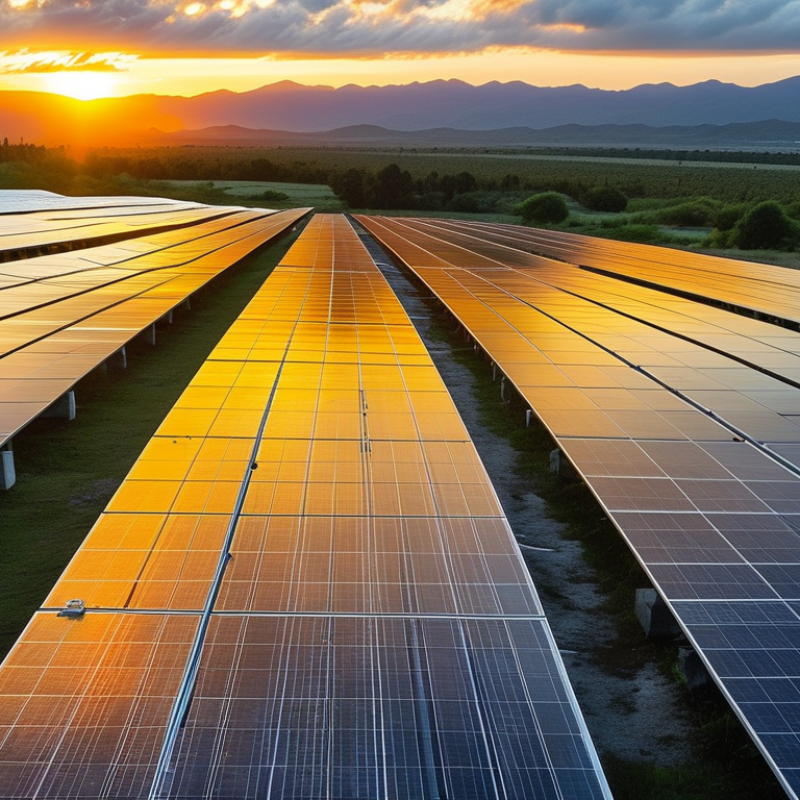
How to Properly Install Solar Panels with Thermal Expansion Gap?

Understanding Thermal Expansion in Solar Panels

Understanding thermal expansion is crucial for solar panel installation. Solar panels experience daily temperature fluctuations. These changes can lead to expansion and contraction of materials. When panels heat up, they expand; when they cool, they contract. Failing to account for this movement can cause structural issues over time.

Incorporating a thermal expansion gap is essential. This gap allows for movement without damaging the panels or mounting system. It's recommended to leave a space of about 1/4 inch between panels and the mounting structure. This small detail can prevent long-term problems. Inadequate spacing may lead to cracking or warping.

Some installers overlook these gaps. This mistake can significantly reduce a solar system's lifespan. Regular checks and maintenance can help identify potential issues. Understanding the physics behind thermal expansion not only enhances installation but also extends the system's efficiency. Each installation should consider the unique climate and temperature variations in its location.

Selecting the Right Location for Solar Panel Installation

Selecting the right location for solar panel installation is crucial. The orientation and tilt of your panels can significantly impact their efficiency. Ideally, solar panels should face true south in the northern hemisphere. This positioning ensures maximal sunlight exposure throughout the day. However, not all rooftops provide an ideal angle. Some roofs may have obstructions like trees or chimneys. These factors can create shade and reduce energy production.

It's essential to assess the site conditions carefully. Buildings should also have a stable structure that can support solar panels. Inspecting the roof for integrity is vital. Consider the long-term growth of nearby vegetation. Plants can grow unexpectedly and block sunlight. A clear, unobstructed area is best. Additionally, extremes of thermal expansion must be taken into account. Adequate gaps can help mitigate issues related to temperature changes.

Remember, installation isn't just about placing panels. It's about choosing the optimal site to ensure their longevity and efficiency. An improperly chosen location may lead to headaches down the road. Adjustments after installation can be costly and complex. Thoughtful planning and site selection pave the way for a successful solar energy project.

Solar Panel Installation Data: Optimal Temperature Adjustments

Preparing the Roof Surface for Solar Panel Mounting

Preparing the roof surface for solar panel mounting is crucial for a successful installation. A well-prepared surface ensures proper adhesion and stability for the panels. According to the Solar Energy Industries Association (SEIA), about 80% of solar panel failures are due to improper installation. This statistic highlights the importance of getting the roof ready.

Start by thoroughly cleaning the roof. Remove debris, dirt, and any loose materials. A clean surface allows for better mounting and reduces the risk of damage over time. Inspect for existing issues like rotting or leaks. Addressing these problems prior to panel installation can prevent costly repairs later on.

Next, consider the roof’s material and condition. Different surfaces require specific mounting systems. For example, asphalt shingles may need a different approach compared to metal roofing. The National Renewable Energy Laboratory (NREL) recommends using appropriate flashing and sealants to protect against water intrusion. Ensure that the roof can support the weight of the panels. Roof assessments also help determine if reinforcements are needed to accommodate the extra load.

Take note of the thermal expansion gap as well. It is vital to allow room for the panels to expand and contract with temperature changes. A study by the American Institute of Architects (AIA) reveals that improper gaps can lead to panel warping or even system failure. Maintaining these best practices enhances the longevity and efficiency of the solar energy system.

Installing Mounting Brackets with Thermal Expansion Gaps

When installing solar panels, placing thermal expansion gaps is crucial. These gaps allow for the movement of materials as temperatures fluctuate. With proper installation, panels can expand and contract without causing damage. Poor alignment can lead to warped panels or, worse, failures in the mounting system.

Installing mounting brackets requires precision. Start by determining the exact location for each bracket. Make sure to use high-quality materials. Measure carefully; even a slight misalignment can cause problems over time. Gaps should be uniform, typically ranging from 1/8 to 1/4 inch. This space allows expansion but too many gaps can weaken the structure.

It’s essential to inspect your work frequently. Look for signs of stress or shifting in the panels. Adjust as necessary to ensure stability. Rely on expert advice for complicated installations, but don't hesitate to question methods that seem outdated. Remember, regular maintenance checks can prevent expensive repairs down the line.

Securing Solar Panels and Ensuring Optimal Performance

Securing solar panels is crucial for their optimal performance. A well-installed solar system can enhance energy efficiency. According to the U.S. Department of Energy, solar energy use has increased by over 40% in the last five years. This growth emphasizes the need for proper installation techniques.

One key element is the thermal expansion gap. As temperatures change, solar panels expand and contract. Without adequate spacing, panels can become misaligned or damaged. The industry standard recommends a gap of at least 1/4 inch. This simple measure can prevent significant long-term damage to the system.

Moreover, securing panels involves choosing the right mounting system and ensuring solid attachment to the roof. An improper mount may lead to vibrations or potential detachment. Studies show that over 20% of solar panel failures stem from installation issues. Always consult professionals who understand local regulations and weather conditions. Their expertise ensures reliability and resilience in the face of environmental challenges.

FAQS

: Why is the location of solar panel installation important?

: The location affects the panels' efficiency. Ideal positioning maximizes sunlight exposure.

What obstacles can reduce solar panel efficiency?

Trees, chimneys, or other obstructions can create shade and decrease energy production.

How should the roof be prepared for solar panel installation?

Clean the roof surface thoroughly to ensure proper adhesion and stability for the panels.

What should be inspected before installing solar panels?

Check for existing issues like leaks, rotting, or structural integrity of the roof.

Why is thermal expansion important in solar panel installation?

Adequate gaps prevent damage caused by panels expanding and contracting with temperature changes.

How can incorrect installation affect solar panels over time?

Improper installation can lead to failures, costly repairs, and decreased efficiency.

What mounting systems are required for different roof types?

Various roofing materials need specific mounting approaches. Ensure compatibility for best results.

Who should install solar panels?

It's best to consult professionals familiar with local regulations and weather conditions.

What are the risks of not preparing the roof properly?

Failure to prepare can result in panel warping or system failure down the line.

Is it easy to fix issues after solar panel installation?

Adjustments post-installation can be complex and often lead to higher costs.

Conclusion

Properly installing solar panels requires careful consideration of thermal expansion, which is crucial for ensuring the longevity and efficiency of the system. The article emphasizes "Why do solar panels need a thermal expansion gap during mounting." When solar panels heat up, they expand; thus, leaving an appropriate gap allows for movement without causing stress or damage to the mounting structure or panels themselves.

Additionally, the article outlines essential steps in the installation process, starting from selecting the right location and preparing the roof surface to installing mounting brackets that incorporate thermal expansion gaps. The final step involves securely attaching the solar panels to ensure optimal performance. By following these guidelines, homeowners can enhance the durability and functionality of their solar energy systems.

Charlotte

Charlotte

Charlotte is a seasoned marketing professional with a deep understanding of the company's portfolio and a passion for elevating its presence in the market. With a keen eye for detail and a commitment to excellence, she ensures that our professional blog is regularly updated with insightful articles......