Installing solar panels provides numerous benefits, but safety is paramount. One critical aspect is how to ground solar panels properly for lightning protection. Effectively grounding your solar system minimizes the risk of damage during thunderstorms. Lightning can lead to severe electrical surges, risking both panels and connected equipment.
To ensure safety, it's essential to follow established grounding practices. A qualified electrician should install a grounding electrode system. This includes grounding rods and bonding all metal components. The materials used must meet local codes and standards. Well-implemented grounding systems not only protect equipment but also enhance system longevity.
Investing time and resources into proper grounding might feel daunting. However, the peace of mind it brings is invaluable. Neglecting this step can lead to costly repairs and jeopardize entire solar investments. Therefore, understanding how to ground solar panels properly for lightning protection is not just advisable; it's essential.
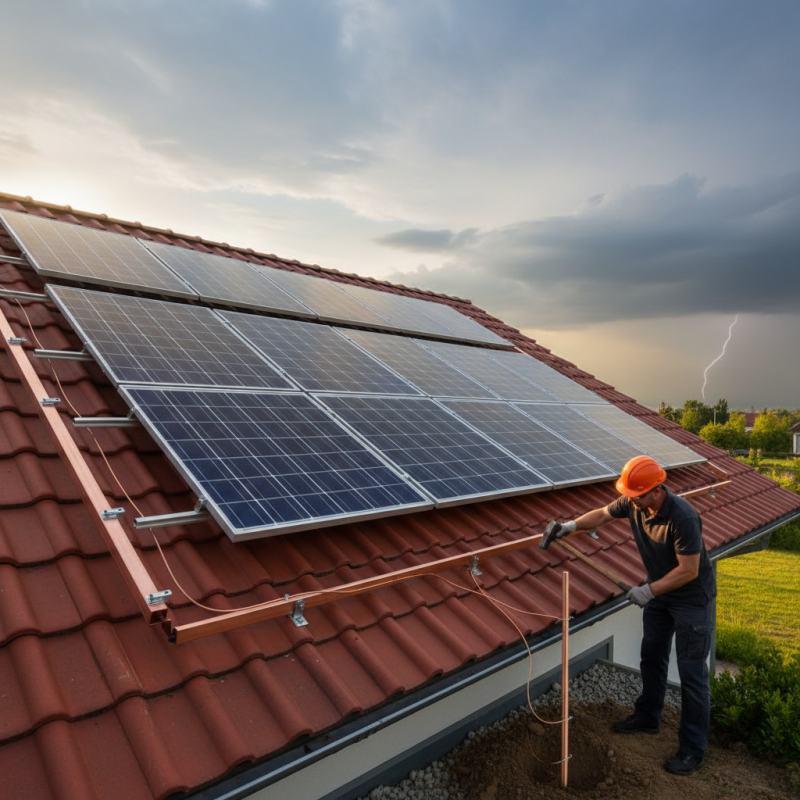
Proper grounding of solar panels is crucial for ensuring safety against lightning strikes. Poorly grounded installations can expose homeowners to severe risks. According to the National Fire Protection Association (NFPA), lightning accounts for approximately 20% of all electrical fires, highlighting the significance of proper grounding techniques.
When grounding solar panels, it's essential to connect them to a dedicated grounding rod. This prevents lightning from inducing harmful currents in the system. Industry reports suggest that effective grounding reduces the risk of equipment damage and electric shock. Experts recommend using copper or copper-clad rods, as they provide superior conductivity and durability.
Tips:
Always consult a professional. They can assess specific installation needs. Regular maintenance checks are vital in ensuring the grounding system remains effective. Use surge protection devices to add another layer of safety.
Creating a proper grounding system is not just about installation; it requires regular testing. This reflects a commitment to safety and efficiency. Many homeowners overlook the importance of inspecting grounding connections over time. Regular reviews can prevent costly damages and enhance overall system reliability.
Grounding solar panels is critical for safety, especially in areas prone to lightning strikes. A reliable grounding system comprises several key components. These include ground rods, grounding conductors, and bonding jumpers. Ground rods should be at least eight feet long and made of copper or galvanized steel for optimal conductivity.
Research indicates that properly grounded solar arrays can reduce lightning damage risk by up to 90%. This highlights the importance of a robust grounding system. Grounding conductors must be sized according to the current generated by the panels, which typically aligns with the National Electrical Code (NEC) guidelines. Bonding jumpers serve to connect different parts of the solar structure, ensuring electrical continuity.
Installation quality is vital. A poorly designed system may not provide adequate protection. Experts recommend periodic inspections to ensure functionality. Neglecting this can lead to significant damage. Therefore, proper installation and routine maintenance bolster lightning safety for solar panel systems.
Grounding solar panels is vital for safety. A proper grounding system can protect against lightning strikes. Start by assessing your installation site. Ensure the area is clear of obstructions. Evaluate the soil condition. Dry or rocky soil can complicate grounding.
Gather necessary tools such as grounding rods, clamps, and wire. Drive the grounding rods deep into the earth. The depth should be at least 8 feet. Connect the rods with grounding wire. Use copper wire for durability. Ensure all connections are secure to prevent loosening.
Regular inspection is key. Look for any signs of corrosion or wear. Check connections after severe weather. Address any issues immediately. Remember, grounding is not a one-time task. It requires ongoing attention to maintain safety and effectiveness.
Grounding solar panels is crucial for safety, particularly regarding lightning strikes. A common mistake is undersizing the grounding wire. Using a wire that’s too thin can increase resistance and lead to electrical surges. Always opt for a thicker wire that meets local codes. This may increase installation costs but is a necessary investment for safety.
Improper grounding technique is another pitfall. Some installers neglect to connect all components properly. Every piece, from the panels to the inverter, should be connected via a common grounding system. Skipping this step can create a dangerous voltage difference, risking equipment failure or fire hazards. Also, avoid using corroded or damaged connectors; they weaken the grounding system.
Listen to experienced professionals. They stress the importance of regular inspections. Many people think once installed, their panels are safe indefinitely. This is a misconception; nature can change how grounding systems perform over time. Plan to check your system annually, adjusting for any wear or corrosion. This proactive approach can save money and protect your property.
Regular maintenance and inspection of grounding systems are crucial for the longevity of solar panels. Grounding protects against lightning strikes and electrical surges. Ensuring the grounding system is intact can significantly reduce damage risks. Regular inspections help identify wear and tear. Over time, connections can corrode or loosen. Regular checks ensure they remain secure.
Technicians should examine grounding rods and connections closely. Look for signs of rust or corrosion. Cleaning connections can improve conductivity. Replacing worn components is also vital. These simple actions can prevent costly repairs down the line. By staying proactive, solar panel systems remain efficient and safe for longer.
Periodic testing of grounding resistance is essential. This process verifies that the grounding system effectively directs excess electricity away. Not all installations are created equal. Some may require more frequent inspections than others. Understanding the specific needs of your system is important. Small oversights can lead to significant failures. Taking the time to address these issues can pay off in safety and longevity.
| Parameter | Recommended Value | Frequency of Maintenance | Inspection Method | Potential Issues |
|---|---|---|---|---|
| Ground Resistance | Less than 5 Ohms | Annually | Ohmmeter Testing | High Resistance |
| Grounding Electrode System | Copper or Galvanized Steel | Every 5 years | Visual Inspection | Corrosion |
| Bonding of Components | Secure and Low Resistance | Semi-Annually | Torque Testing | Loose Connections |
| Lightning Protection System Inspection | Certified Installation Required | After Severe Weather Events | Professional Assessment | System Failure |
: Grounding protects against lightning strikes and electrical surges, enhancing safety.
You will need grounding rods, clamps, and grounding wire to complete the task.
Grounding rods should be driven at least 8 feet deep into the earth.
Copper wire is recommended for its durability and effectiveness.
Regular inspections are essential, especially after severe weather events.
Look for rust, corrosion, or loose connections; these are signs of wear and tear.
No, grounding requires ongoing attention and regular maintenance to ensure safety.
Yes, even small oversights can lead to significant failures, so regular checks are crucial.
It verifies if the grounding system effectively directs excess electricity away.
Failure to replace worn parts can lead to costly repairs and safety issues.
Grounding solar panels is crucial for ensuring safety, especially in areas prone to lightning strikes. This article outlines the importance of grounding systems, which not only protect the panels themselves but also safeguard the entire solar power system and any connected structures. Key components of a proper grounding setup include grounding electrodes, conductors, and bonding systems, all of which must be carefully integrated to provide effective protection.
To learn how to ground solar panels properly for lightning protection, a step-by-step guide is provided, detailing the installation process while emphasizing the importance of avoiding common mistakes such as inadequate connections or improper material use. Regular maintenance and inspection of these grounding systems are also essential to guarantee long-term functionality and safety, ensuring that solar energy systems remain both efficient and secure against lightning hazards.

Illumino Solar