When installing ground mount solar systems, ensuring compliance with height clearance requirements is crucial. According to Dr. Emily Carter, a leading expert in solar engineering, “Height clearance is essential for optimal solar efficiency and safety.” Understanding "What are the height clearance requirements for ground mount solar" helps avoid costly adjustments later.
The height clearance for solar installations varies based on local regulations and site conditions. Many regions require a minimum clearance of 18 inches above the ground. This allows for proper air circulation and prevents damage from snow accumulation. However, some areas may enforce stricter limits depending on environmental factors.
Fulfilling height clearance requirements is not merely a checkbox. It involves careful planning, consideration of potential shading, and long-term maintenance. Installers should proactively analyze projected growth of nearby vegetation. This approach minimizes future height adjustments. Therefore, comprehending these requirements from the outset supports both efficiency and sustainability in solar projects.
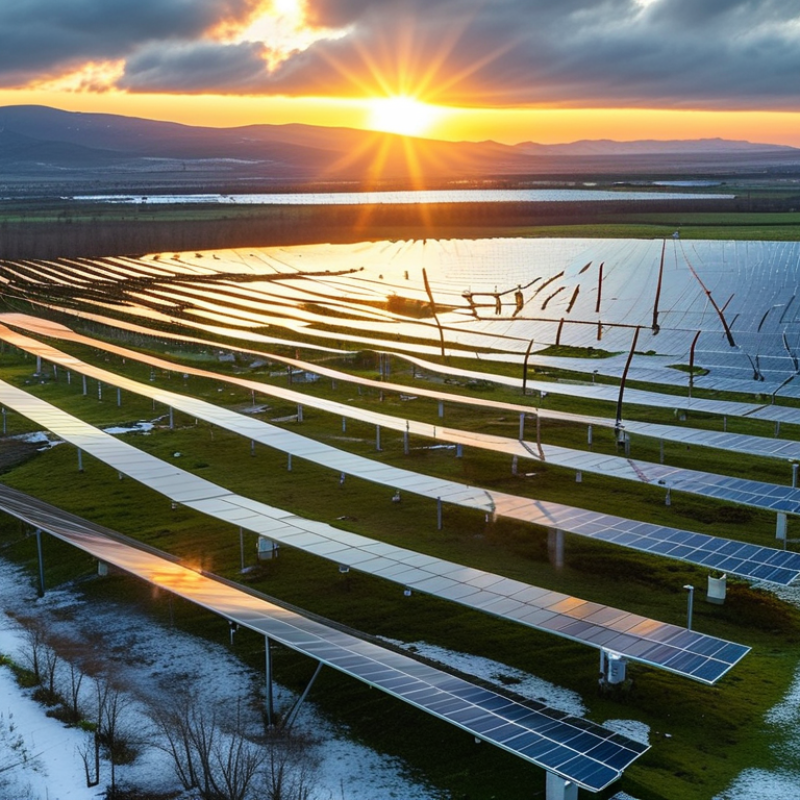
Height clearance requirements for ground mount solar systems are crucial for their effective installation. These requirements ensure safety and operational efficiency. Standards vary by region, but many regions mandate a minimum clearance of 18 inches above ground level. This height helps with vegetation management and reduces the risk of flooding. According to the Solar Energy Industries Association (SEIA), adhering to these clearance standards can enhance system longevity.
Proper clearance allows for maintenance and accessibility. It helps prevent degradation from moisture and debris accumulation. A 2022 report from the National Renewable Energy Laboratory (NREL) indicated that systems with adequate clearance faced 30% fewer operational issues. It's important to consider local building codes and environmental factors. Poor adherence to these requirements may lead to costly modifications later on. Every solar project should prioritize compliance to avoid future complications.
Project planners must also reflect on geographical conditions. Areas prone to heavy snowfall may require additional height to prevent snow buildup. Recognizing these specifics can potentially save time and money during installation. Proper planning and execution can mitigate risks and enhance the efficiency of the solar power system in the long run.
| Location | Min Height Clearance (feet) | Max Height Clearance (feet) | Regulatory Notes |
|---|---|---|---|
| California | 6 | 12 | Must comply with local ordinances |
| Texas | 8 | 15 | Check regional guidelines |
| Florida | 7 | 14 | Hurricane guidelines apply |
| New York | 5 | 10 | Follow urban codes |
| Illinois | 6 | 12 | Federal standards enforced |
: Height clearance requires systems to be at least 18 inches above ground level. This helps with safety and efficiency.
Proper clearance enhances maintenance access and reduces moisture and debris accumulation. It also prolongs system longevity.
Use a measuring tape to check the height of your solar array. Ensure it meets local clearance regulations.
Tools like leveling instruments or laser levels can provide precision in measuring and ensuring correct installation height.
Areas with heavy snowfall may need additional height. Local flood zones and wildlife also influence these requirements.
Ignoring clearance can lead to costly modifications and operational issues. Future complications may arise from poor planning.
Uneven terrain can affect the mounting height. Site grading or adjustable mounts may be necessary for proper installation.
Engaging with local experts can clarify requirements and provide insights to improve project outcomes.
Trees, buildings, and obstructions can affect clearance measurements. It's essential to plan for these before installation.
Consider what strategies worked for them and what plans fell short. Reflecting on these experiences can enhance your project's success.
The article "2026 How to Meet Height Clearance Requirements for Ground Mount Solar?" explores essential considerations for ensuring compliance with height clearance requirements in solar installations. It begins with an overview of what the height clearance requirements for ground mount solar entail, detailing the necessary space needed to maintain safety and functionality. Various factors influencing these requirements are analyzed, including topography, vegetation, and potential shading from nearby structures.
Additionally, the article outlines techniques for accurately measuring and ensuring adequate clearance, as well as addressing common compliance issues and their respective solutions. To promote long-term success, best practices for maintaining height clearance over time are also discussed. This comprehensive guide serves as a valuable resource for those navigating the complexities of height regulations in the field of solar energy.

 Illumino Solar