What is the lifespan of a galvanized steel solar rack?

Time:2026-07-20 Author:Liam
0%

The durability of solar energy systems heavily relies on the materials used. When it comes to structural supports, galvanized steel stands out for its resilience. It is often used in solar racks due to its corrosion resistance and strength. Industry experts frequently address an important question: What is the expected lifespan of a galvanized steel solar rack?

Dr. Emily Torres, a leading researcher in renewable energy engineering, states, "Galvanized steel racks can last 25 to 30 years, depending on environmental factors." This lifespan makes them a reliable choice for long-term solar installations. However, several variables affect this longevity. Local climate, installation quality, and maintenance practices all play vital roles.

Studies indicate that properly cared-for galvanized steel can outperform its expectations. Yet, we must also consider challenges. Over time, environmental conditions can lead to wear and tear. Regular inspections are essential to ensure optimal performance. Thus, while galvanized steel racks are a sound investment, they require attention to maximize their lifespan.
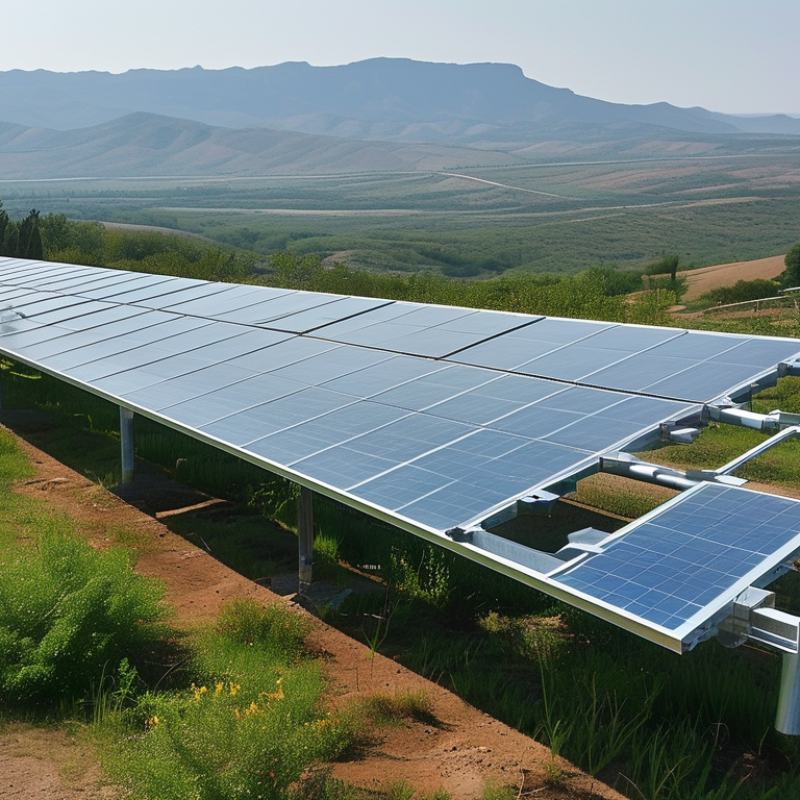
What is the lifespan of a galvanized steel solar rack?

Lifespan Overview of Galvanized Steel Solar Racks

Galvanized steel solar racks are known for their durability and long lifespan. Generally, they can last between 25 to 50 years. This extended lifespan largely depends on environmental conditions and maintenance practices. Proper installation and regular inspections enhance their longevity.

Galvanization offers a robust layer of zinc that protects the steel from rust and corrosion. However, in coastal regions, exposure to salty air can accelerate corrosion. Users should consider local weather conditions. Regular maintenance is key to preventing possible wear.

Despite their durability, some factors may impact performance over time. Scratches or dents can expose the steel beneath. Even small damages can lead to larger issues. It's vital to periodically check for signs of wear. Keeping racks clean also contributes to longevity. It’s a simple step that can yield significant benefits.

Factors Influencing Longevity of Solar Racks

The lifespan of a galvanized steel solar rack depends on several key factors. One major influence is environmental conditions. Areas with high humidity, salt exposure, or extreme temperatures can accelerate corrosion. These conditions may shorten the expected life of the rack significantly. Regular inspections can help identify early signs of wear.

Another factor is installation quality. Proper installation ensures that the racks are secure and stable. Poorly installed racks might shift, leading to metal fatigue over time. It’s crucial to follow best practices during installation to enhance longevity. Choosing appropriate coatings can also protect steel from elements.

Maintenance plays a vital role, too. Periodic cleaning can remove debris and prevent rust. Some users might neglect this, thinking it’s unnecessary. This oversight can lead to severe damage over time. Routine maintenance checks can reveal issues before they become major problems. By considering these influencing factors, owners can improve the life of their solar racks.

What is the lifespan of a galvanized steel solar rack? - Factors Influencing Longevity of Solar Racks

Factor Impact on Lifespan Estimated Lifespan (Years)
Corrosion Resistance Higher resistance leads to longer lifespan 25-30
Environmental Conditions Exposure to salt water or extreme weather reduces lifespan 15-20
Quality of Installation Poor installation can lead to damage and early failure 10-15
Maintenance Frequency Regular maintenance improves lifespan 20-25
Load Capacity Excess load can lead to structural issues 15-20

Maintenance Practices to Extend Lifespan

Galvanized steel solar racks are designed for durability, often lasting 25 years or more. However, their longevity can be significantly influenced by maintenance practices. Regular inspections are essential. Look for rust spots, loose bolts, and signs of wear. Promptly addressing these small issues can prevent larger problems in the future.

Keeping your solar racks clean is another vital practice. Debris like leaves and dirt can trap moisture, leading to corrosion. Use a soft brush or cloth to gently clean the surface. It’s advisable to check your installation's position annually. Ensure it's still level and securely anchored. Over time, shifts in the ground can affect the stability of the rack.

Many overlook the importance of weather conditions. In regions with heavy snowfall, ensure the rack can handle the load. In areas prone to storms, check for any structural integrity issues regularly. Even if everything looks fine, consider professional assessments every few years. This not only extends the lifespan of your solar rack but also ensures optimal energy generation.

Comparison with Other Materials Used in Solar Racks

When comparing galvanized steel solar racks to other materials, several factors come into play. Galvanized steel is known for its durability and corrosion resistance. It can last up to 25 years or more under various weather conditions. In harsh environments, this longevity makes it a reliable choice. However, its weight can be a concern, adding more stress on roof structures.

Aluminum is another popular material used in solar racks. It offers a lighter alternative, making installation easier. Its lifespan is also substantial but can range from 20 to 30 years, depending on conditions. Yet, aluminum can be more prone to bending under extreme load. Meanwhile, stainless steel provides incredible strength and endurance. It resists rust effectively but is often more expensive.

The choice of material impacts the overall system's performance and longevity. While galvanized steel is robust, it may not be the best fit for all projects. Each project’s unique environment should guide material selection. Proper assessments can prevent costly maintenance issues later. It highlights the importance of informed decision-making for solar rack installations.

Signs of Wear and Replacement Considerations for Solar Racks

Galvanized steel solar racks are known for their longevity. Generally, they can last 20 to 30 years. However, this lifespan can vary due to environmental factors. Exposure to harsh weather conditions can lead to accelerated wear. Corrosion is a significant concern, especially in coastal regions where saltwater can cause rapid deterioration.

Signs of wear include visible rust, flaking paint, or structural instability. These can be indicators that the rack may need replacement. Monitoring these signs regularly is essential. Research suggests that 40% of solar rack failures occur due to corrosion. This emphasizes the need for proactive maintenance checks to ensure structural integrity.

When considering replacement, analyze the installation environment. Racks installed in locations with heavy snowfall might require more frequent inspections. It’s vital to assess the overall condition of the mounting system and connectors. Addressing small issues promptly can extend the lifespan of the entire system. Regular maintenance not only improves safety but also optimizes solar energy production.

FAQS

: What is the average lifespan of galvanized steel solar racks?

: They typically last between 25 to 50 years, depending on conditions.

How does the environment affect the lifespan of solar racks?

Coastal areas with salty air can accelerate corrosion and reduce durability.

What are the key maintenance practices for extending the lifespan?

Regular inspections and cleaning are essential to prevent corrosion and wear.

What should I look for during inspections?

Check for rust spots, loose bolts, and any signs of wear or instability.

How often should I clean my solar racks?

Regular cleaning helps remove debris that traps moisture, preventing corrosion.

What are the signs that a solar rack needs replacement?

Look for visible rust, flaking paint, or structural instability as red flags.

How can snow impact my solar rack?

Heavy snowfall can strain the rack, so regular inspections are crucial in those regions.

Why is professional assessment recommended?

Professionals can identify issues that may not be visible, improving safety and performance.

What small issues should I address quickly?

Small rust spots or loose bolts can lead to larger issues if ignored.

Can weather conditions change the inspection frequency?

Yes, harsher conditions may require more frequent and detailed inspections.

Conclusion

Galvanized steel solar racks are known for their durability and corrosion resistance, which contribute to a significant lifespan in solar mounting systems. Generally, the expected lifespan of a galvanized steel solar rack is between 25 to 50 years, depending on environmental conditions and installation quality. Factors influencing longevity include exposure to harsh weather, humidity, and the quality of the galvanization process itself.

To maximize the lifespan of galvanized steel solar racks, proper maintenance practices such as regular inspections, cleaning, and prompt repairs are essential. When compared to other materials used in solar racks, galvanized steel often demonstrates superior longevity and strength. However, it is also important to recognize signs of wear over time and consider replacement options to ensure optimal performance and safety in solar energy systems.

Liam

Liam

Liam is a dedicated marketing professional with a profound expertise in the industry, where he excels at highlighting the unique advantages of our core products. With a keen understanding of market trends and consumer needs, Liam frequently updates our company’s professional blog, providing......