When considering solar mounting systems, understanding insurance coverage for potential storm damage is vital. Many home and business owners may not be fully aware of what insurance covers for solar mounting system storm damage. According to the Solar Energy Industries Association, nearly 90% of solar installations are located in regions susceptible to severe weather. This statistic highlights the need for comprehensive insurance policies.
To shed light on this topic, industry expert Dr. Emily Santos states, "Insurance coverage for solar mounting systems often varies significantly based on location and specific policy details." Such insights emphasize the importance of reviewing your policy's fine print. Often, standard homeowner's insurance may leave gaps regarding solar equipment.
Moreover, it is essential to regularly consult with insurance agents familiar with solar technology. They can provide guidance tailored to individual circumstances. Without careful evaluation, owners may face unexpected out-of-pocket expenses. Thus, knowledge about what insurance covers for solar mounting system storm damage can save significant financial strain in the long run.
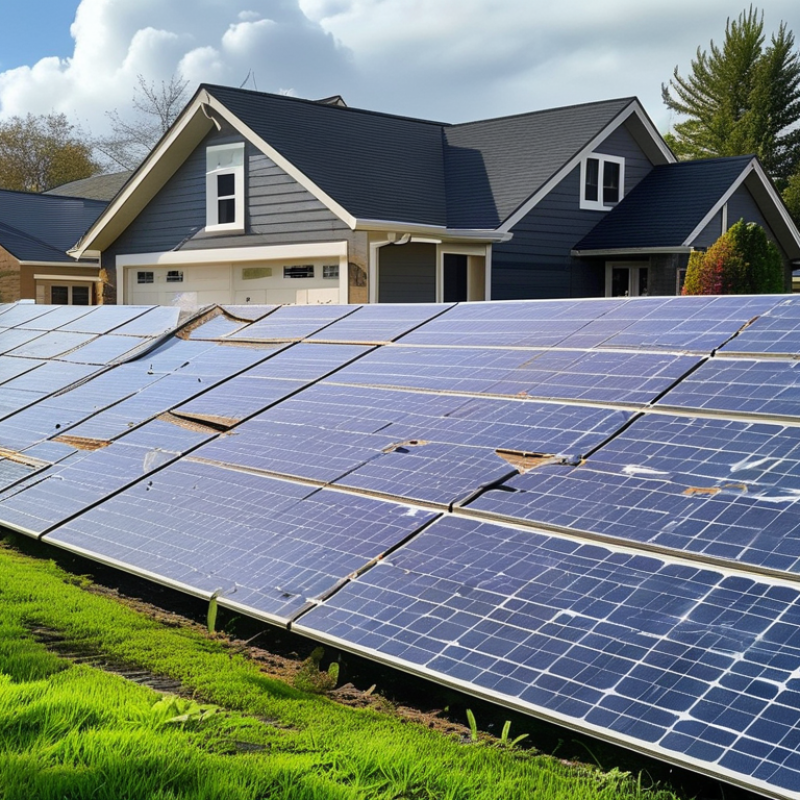
Understanding your insurance policy for solar systems is crucial for protecting your investment. Many homeowners overlook this aspect. A report by the National Renewable Energy Laboratory states that around 12% of residential solar installations face some form of damage during their lifetime. Understanding what damages your insurance covers can save you significant costs and stress.
Most insurance policies cover damages from natural disasters like storms or hail. However, damages caused by operational errors may not be included. Some homeowners discover this too late. According to a survey by the Solar Energy Industries Association, about 30% of solar system owners did not review their policies. This lack of knowledge can lead to unexpected out-of-pocket expenses.
Additionally, not all policies recognize solar systems as part of the home structure. They might require endorsements to cover potential damages explicitly. A report from the Insurance Information Institute indicates that reviewing and updating your policy regularly is essential. This is often neglected amid busy schedules. Being proactive can prevent potential financial setbacks.
| Insurance Type | Coverage Details | Exclusions | Claim Process | Average Premium ($) |
|---|---|---|---|---|
| Homeowners Insurance | Covers damage to the solar system caused by fire, hail, and theft. | Flood damage, improper installation, and cosmetic damage. | File a claim with photos and damage estimates. | $800 |
| Commercial Property Insurance | Covers solar panel damage due to accidents, natural disasters, and vandalism. | Wear and tear and maintenance issues. | Submit a claim with a damage report and business interruption details. | $1,500 |
| Specialized Solar Insurance | Designed specifically for solar installations, covers most solar-related damages. | Negligence or non-compliance with installation standards. | Quick online claim submission with necessary documentation. | $900 |
: Start by assessing the damage. Look for bent mounts or loose panels.
Document everything with photos. This evidence is crucial for your insurance claim.
Contact your insurance provider. Clearly explain the situation and share your documentation.
Avoid permanent repairs without insurer approval. This may complicate your claim.
Gather all relevant documents, including your policy and photos of the damage.
Always read your insurance policy carefully. Consult an expert if you have questions.
Be ready for questions about the damage. Stay organized with your documentation.
Consider temporary fixes, like securing loose panels, to prevent further damage.
It shows you are organized and can help speed up the claims process.
You might feel frustrated, but thoroughness can help ease the situation.
Understanding what insurance covers for solar mounting system storm damage is crucial for homeowners with solar energy systems. It's important to carefully review your insurance policy to identify the specific types of damage covered, such as storm-related incidents that might affect your solar panels and mounting structures. Factors influencing coverage may include the age of the system, location, and the specific terms outlined in the policy.
In the event of damage, it is essential to take prompt action. Homeowners should document the damage thoroughly and communicate with their insurance provider to understand their coverage. Filing an insurance claim typically involves submitting evidence of the damage and any related costs. Following these steps can help ensure a smoother claims process and facilitate the repair or replacement of your solar mounting system.

 Illumino Solar