10 Reasons Floating Solar Farms Are More Efficient Than Land-Based?

Time:2026-05-19 Author:Sophia
0%

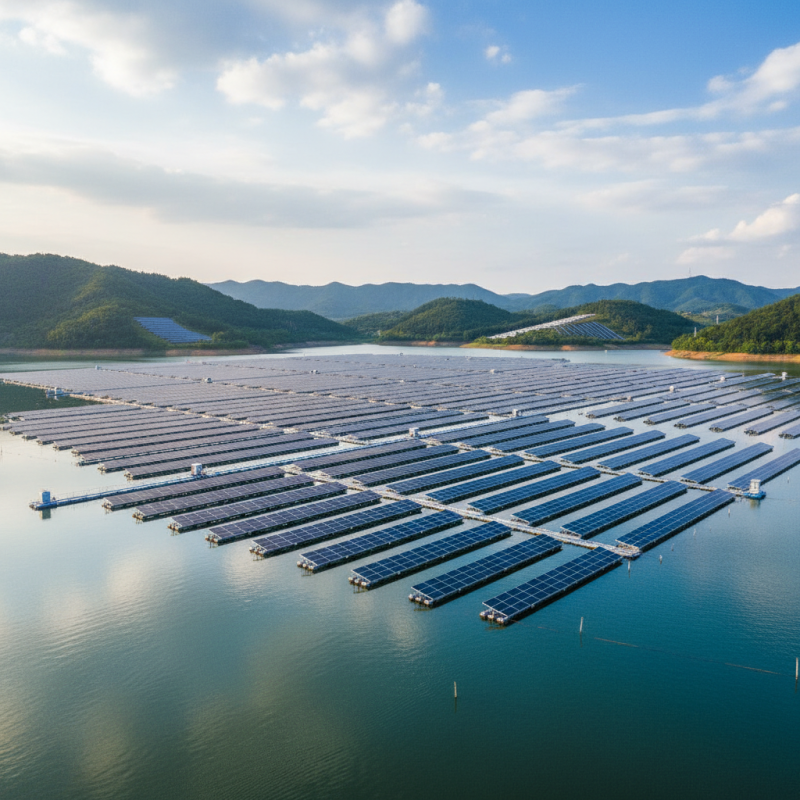
The rise of renewable energy is reshaping our approach to energy production. Solar power plays a critical role in this transition. A growing debate centers around the question: Are floating solar farms more efficient than land-based ones? Floating solar technology presents unique advantages that can enhance efficiency and sustainability.

Floating solar farms utilize bodies of water, minimizing land use while capturing sunlight. They can reduce evaporation, keeping water levels stable. Moreover, panels are often cooler on the water's surface, leading to increased energy production. Studies show that circumstances matter, as floating systems may perform better in specific environments. However, these installations face challenges, such as higher initial costs and potential environmental impacts on aquatic ecosystems.

Evaluating efficiency requires a look at both options. Land-based solar farms are well-established but occupy valuable land. The innovation of floating solar offers intriguing solutions that deserve serious consideration. As we explore the ten reasons floating solar farms are more efficient than land-based ones, the future energy landscape may lean more toward these unique systems.
10 Reasons Floating Solar Farms Are More Efficient Than Land-Based?

Benefits of Harnessing Water Surfaces for Solar Energy Production

Floating solar farms present a promising avenue for harnessing solar energy on water surfaces. According to a report by the International Renewable Energy Agency (IRENA), floating solar installations can be up to 10% more efficient than their land-based counterparts. This increased efficiency is largely due to the cooling effect of water, which helps maintain optimal solar panel temperatures. Furthermore, water surfaces can reflect sunlight, enhancing panel performance even in partially shaded conditions.

Utilizing existing water bodies reduces land use conflicts. This is particularly crucial in areas facing agricultural land shortages. Data from the World Bank indicates that 60% of the world’s population lives within 60 kilometers of water bodies. By deploying solar farms on these surfaces, we can maximize energy production without compromising valuable land resources. However, the deployment of floating solar systems must also consider ecological impacts on aquatic environments and local wildlife.

Financing and technology adoption can hinder widespread implementation. While the initial investment may appear daunting, long-term savings on land costs and energy production can offset these expenses. Floating solar is recognized as a growing field, but its integration into existing infrastructure requires careful planning and collaboration among stakeholders. The future of solar energy generation may very well depend on these innovative solutions.

Reduced Land Competition: Advantages of Floating Solar Farms

Floating solar farms offer significant benefits over land-based installations. One of the key advantages is their ability to reduce land competition. By utilizing water surfaces, these solar panels eliminate the need to clear valuable land. This is crucial in areas where land availability is limited or where agricultural land needs protection.

Additionally, floating solar farms can enhance energy efficiency. Water bodies help keep the panels cooler, which can lead to higher energy output. This cooling effect is a natural advantage that land-based systems do not possess. Moreover, installing solar panels on water can prevent algae growth, maintaining water quality while also generating renewable energy.

**Tips:** When considering solar installations, assess the local geography. Is there a body of water nearby? Floating systems might be more efficient. Also, think about maintenance. Panels over water may require different upkeep than those on land, so factor this into your planning. Always consult with experts to weigh benefits against potential challenges.

Improved Thermoregulation: How Water Bodies Enhance Solar Panel Efficiency

Floating solar farms are revolutionizing renewable energy. One key reason for their efficiency is improved thermoregulation offered by water bodies. Studies indicate that solar panels tend to operate at optimal efficiency when they stay cool. On average, solar panel efficiency can decline by 0.5% for every degree Celsius increase in temperature. This means that thermoregulation from water can enhance performance significantly.

Water provides a natural cooling effect, reducing the temperature of solar panels. According to a report by the National Renewable Energy Laboratory, floating solar installations can achieve efficiency gains of 10% to 20% compared to traditional land-based farms. The cooling effect is especially beneficial in warmer climates, which often hinder land-based systems. Observations show that during peak sunlight hours, floating panels maintain temperatures several degrees lower than their land counterparts.

However, floating solar farms are not without challenges. Installation costs can be higher, and environmental impacts must be assessed. There are concerns about ecosystem disruptions and the balance of aquatic habitats. Despite these challenges, the innovative use of water bodies presents unique opportunities for enhancing solar panel efficiency. Industry experts acknowledge these complexities but highlight the overall potential of floating solar systems in addressing energy needs sustainably.

10 Reasons Floating Solar Farms Are More Efficient Than Land-Based

This chart illustrates the efficiency advantages of floating solar farms compared to land-based solar farms. The data showcases various factors contributing to the improved performance of floating solar panels.

Minimized Evaporation: The Water Conservation Aspect of Floating Solar Farms

Floating solar farms offer a unique advantage in water conservation. By being positioned on water bodies, these systems significantly reduce evaporation. This is crucial in hot climates, where evaporation can lead to immense water loss. In fact, studies show that traditional land-based solar farms can witness up to 20% more evaporation from nearby water sources. Floating installations help mitigate this issue.

Moreover, they can cool the water beneath, creating a more stable environment for aquatic life. The shading effect can protect fish and other organisms from extreme sunlight. However, there are concerns about the materials used for these solar panels. Some may leach harmful substances into the water, especially in poorly designed systems. Regular maintenance and monitoring are essential to ensure water quality is not compromised.

Although floating solar farms are a promising solution, questions remain. The impact of large installations on local ecosystems needs further research. Communities engaging in these projects should consider both the potential benefits and the environmental implications. Addressing these issues can lead to more sustainable practices in the solar energy landscape.

10 Reasons Floating Solar Farms Are More Efficient Than Land-Based?

Reason Description Efficiency Benefit Water Conservation
Minimized Evaporation Floating solar panels reduce water evaporation from the surface of water bodies. Higher energy generation due to cooler panel temperatures. Conserves millions of gallons of water annually.
Lower Land Use Utilizes water bodies instead of land, preserving valuable real estate. Increases efficiency by reducing land acquisition costs. Reduces the need for draining wetlands.
Cooling Effect Water beneath panels cools them, enhancing performance. Improved output during hot weather. Limits harmful algal blooms due to reduced sunlight.
Integrated Hydropower Potential to combine solar energy with hydropower generation. Maximizes land use efficiency for energy generation. Supports sustainable water management.
Reduced Albedo Effect Lower land surface temperatures due to less solar heat absorption. Increased solar productivity. Minimized ground disturbance and erosion.
No Land Contamination Placement on water bodies avoids pollution of the land. Improved environmental integrity. Protects nearby water quality.
Easier Maintenance Access to panels is simplified on the water surface. Cost-effective maintenance procedures. Less risk of soil erosion during maintenance.
Increased Lifespan Floating systems may have longer longevity than land-based due to less environmental stress. Maximizes initial investment return. Longer time before water resources are affected.
Improved Grid Stability Provides distributed energy generation for stability. Resilient grid infrastructure. Supports regional water supply consistency.
Community Engagement Encourages local investments and community support. Higher public acceptance of renewable projects. Promotes local water conservation initiatives.

Lower Installation Costs and Maintenance Needs for Floating Solar Solutions

Floating solar farms present significant advantages over traditional land-based installations, particularly in terms of cost and maintenance. According to a report by the International Renewable Energy Agency (IRENA), floating solar can reduce installation costs by up to 30%. This could be attributed to less land acquisition costs and reduced land preparation needs. With fewer ground-level requirements, developers can focus more on the technology itself rather than on expensive preparatory work.

Maintenance is another area where floating solar outperforms land-based systems. The water surface keeps panels cooler, thus enhancing efficiency and prolonging their lifespan. Data from the Solar Energy Research Institute indicates that floating solar systems can have a degradation rate that is 20% lower than traditional setups. This results in lower replacement costs and an extended period of energy generation.

Tip: Ensure proper anchoring of floating solar panels to withstand extreme weather. Regular inspections can prevent costly damages. Remember, while floating systems have many benefits, they are not a one-size-fits-all solution. Each project requires careful assessment of local conditions and environmental impact.

FAQS

: What is a floating solar farm?

: A floating solar farm is a solar energy installation on water surfaces.

How much more efficient are floating solar farms compared to land-based ones?

They can be up to 10% more efficient due to cooling effects from water.

What is a key benefit of deploying solar farms on water bodies?

It reduces land use conflicts, essential for areas with limited agricultural land.

How do floating solar farms impact evaporation?

They significantly reduce evaporation, especially in hot climates, protecting nearby water sources.

What concerns arise from the materials used in solar panels?

Some panels may leach harmful substances into the water, affecting water quality.

Why is regular maintenance important for floating solar farms?

To ensure water quality is maintained and to prevent harmful leaching from materials used.

Are there environmental impacts associated with floating solar farms?

Yes, large installations can affect local ecosystems, requiring careful research and planning.

What challenges exist in implementing floating solar technology?

Financing and technology adoption can hinder widespread implementation of floating solar farms.

How do floating solar farms affect aquatic life?

They can create a stable environment by cooling water and shading it from extreme sunlight.

What must communities consider when engaging in floating solar projects?

They should evaluate both potential benefits and the environmental implications of such installations.

Conclusion

The article "10 Reasons Floating Solar Farms Are More Efficient Than Land-Based" explores the numerous advantages of floating solar farms over traditional land-based installations. One significant benefit is the ability to harness water surfaces for solar energy production, which helps alleviate competition for agricultural or residential land. Furthermore, the proximity to water bodies enhances thermoregulation, resulting in increased efficiency of solar panels by keeping them cooler.

Additionally, floating solar farms contribute to water conservation by minimizing evaporation rates and offer lower installation and maintenance costs compared to their land-based counterparts. These factors collectively prompt the question: Are floating solar farms more efficient than land-based ones? The evidence suggests that they indeed provide a more sustainable and cost-effective solution for solar energy generation.

Sophia

Sophia

Sophia is a dedicated marketing professional with an exceptional depth of knowledge about her company's products and services. With a keen understanding of market trends and customer needs, she crafts insightful blog posts that not only inform but also engage readers, enriching the company’s online......