As the solar industry continues to grow, understanding how to expand an existing solar mounting rack system becomes crucial. According to a report by the International Renewable Energy Agency (IRENA), global solar power capacity reached 1,200 gigawatts in 2021, marking a significant increase. Market analysts predict that by 2026, this number will surpass 2,000 gigawatts. This surge underscores the necessity for efficient and adaptable solar mounting solutions.
Many solar installers and operators face challenges when looking to expand their systems. Factors such as site limitations, equipment compatibility, and regulatory requirements can complicate the expansion process. Research from the Solar Energy Industries Association (SEIA) indicates that 70% of projects encounter unexpected hurdles. Recognizing these challenges is vital for informed decision-making.
Developing a robust expansion strategy can enhance system performance and extend overall lifespan. However, it's essential to reflect on the unique needs of each installation. An insightful approach includes evaluating current technology and future energy demands. By addressing these elements, businesses can effectively navigate the complexities of solar mounting rack expansions.
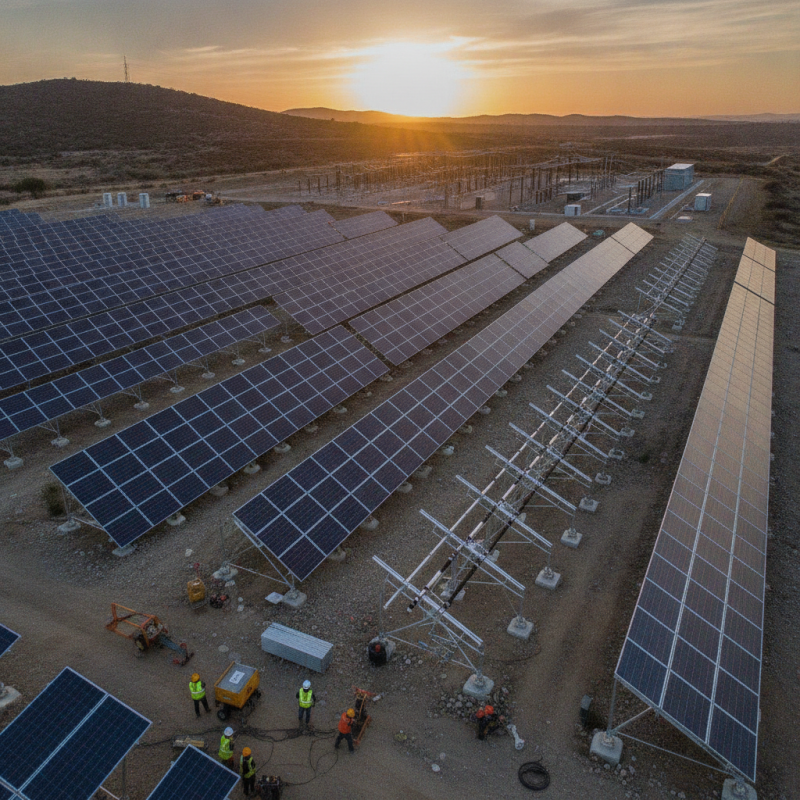
When planning to expand your solar mounting rack system, understanding your current specifications is crucial. Begin by assessing the type of mounting system you have in place. Consider whether it's a fixed tilt, adjustable, or a tracking system. Each type has its own unique strengths and weaknesses. Knowing the limitations and capacities of your existing system will help tailor your expansion plans.
Evaluate the technical specifications, including load capacity and physical dimensions. Take accurate measurements of your current installation. If your system has existing connections or configurations, scrutinize them. Potential tensions may arise when integrating new components with older systems. It’s advisable to review whether your existing components can handle additional solar panels. Often, the unforeseen limitations appear once you've begun working on the expansion.
Consider the environmental factors too. Is your location prone to high winds or heavy snow? These elements can impact the structural integrity of both current and new installations. Documenting these environmental aspects helps avoid mishaps later. Recognizing these challenges not only ensures a safer installation but also promotes a more efficient energy capture moving forward.
| Component | Current Specification | Proposed Expansion | Notes |
|---|---|---|---|
| Mounting Rack Type | Fixed Tilt | Adjustable Tilt | Increase efficiency in different seasons |
| Material | Aluminum | Galvanized Steel | Enhances durability in harsh climates |
| Load Capacity | 1000 lbs | 1500 lbs | Allows for more panels |
| Panel Compatibility | Standard Panels | Large Format Panels | Future-proofing for advanced technology |
| Warranty Period | 10 Years | 20 Years | Improved manufacturer reliability |
: Measure available space accurately. Look for obstructions like chimneys or trees that can limit your expansion.
Each solar panel has weight requirements. Ensure your structure can support the additional weight safely.
Consult with a structural engineer. They can provide insights on your existing system's capabilities and safety.
Local laws may limit your expansion. Research these regulations thoroughly to avoid complications.
Stricter safety guidelines are in place as the solar industry grows. These standards protect workers and enhance project efficiency.
Train personnel on safety standards. Regular audits for compliance with regulations will also enhance safeness.
Proper protective equipment can reduce accidents by over 50%. It is vital for maintaining project integrity.
Yes, some view safety gear as a cost, not a necessity. This perspective can lead to serious risks.
Reflecting on previous accidents helps identify weaknesses and informs the development of better safety protocols.
Prioritize accuracy and reliability with measurements and compliance. Preparedness can save time and reduce future issues.
In "How to Expand Your Solar Mounting Rack System in 2026," the article provides a comprehensive guide on how to expand an existing solar mounting rack system effectively. It emphasizes the importance of understanding the current system specifications, ensuring that any additional installation meets the required space and load capacity for future growth. Additionally, the article discusses selecting the right components that enhance efficiency and align with the latest technological advancements in solar energy.
Implementing stringent safety standards and regulations during the expansion process is crucial to maintain compliance and ensure the longevity of the system. Furthermore, the article highlights the necessity of planning for future technological integrations that could improve overall performance and adaptability. By following these guidelines, readers can confidently navigate the complexities of expanding their solar mounting systems while maximizing potential energy production.

 Illumino Solar