Grounding solar panels is crucial for lightning protection. A study by the National Renewable Energy Laboratory shows that nearly 30% of solar installations suffer damage from lightning strikes each year. Proper grounding minimizes this risk. Dr. Susan Millerick, an expert in renewable energy systems, states, “How to ground solar panels properly for lightning protection is vital for long-term system reliability.”
Building a robust grounding system requires understanding local electrical codes and environmental factors. Many installers overlook the importance of using appropriate materials. Copper is often recommended for its high conductivity and corrosion resistance. Lightning can cause devastating effects, leading to costly repairs and system downtimes. Proper techniques can prevent these issues.
The process involves connecting the panels to a ground rod and ensuring a low-resistance path. However, misunderstanding grounding can result in dangerous situations. Many installations fall short due to DIY approaches. Regular inspections and testing of grounding systems can help maintain safety and functionality. Knowing how to ground solar panels properly for lightning protection is more than a suggestion; it’s a necessity.
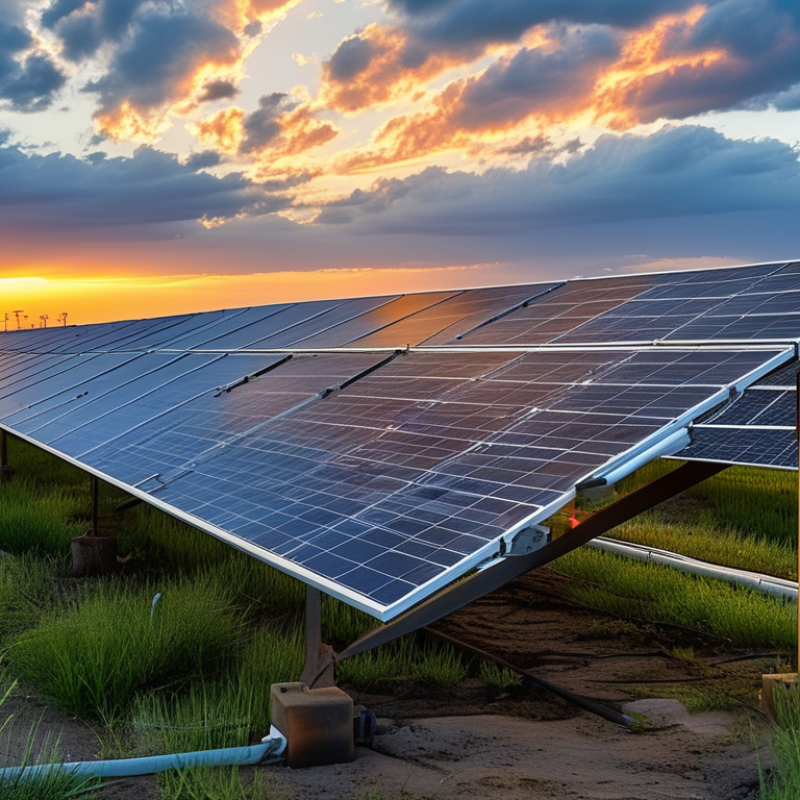
Grounding solar panels is crucial for safety. Lightning strikes can cause significant damage if systems are not grounded properly. A well-grounded system helps direct electrical surges into the earth, protecting equipment and homes. It’s important to understand that improper grounding can lead to equipment failure and potential fires.
The grounding process should begin with choosing appropriate materials. Certified grounding rods made from copper or galvanized steel are commonly used. They need to be driven deep into the ground, ideally at least eight feet. This ensures a low-resistance path for lightning surges. Additionally, conductive wires should connect solar panels to the grounding system effectively. Regular inspections are vital, as wear and tear can compromise their efficiency over time.
Despite the importance of grounding, many installations lack adequate protection. Often, homeowners overlook this step, thinking it’s unnecessary. However, it can lead to serious problems. Engaging with a professional installer can mitigate these risks. They can evaluate existing systems and ensure that all grounding requirements meet safety standards. Regular updates and maintenance checks are also essential for long-term safety.
When installing solar panels, selecting the right grounding materials is crucial for effective lightning protection. Conductors made from copper or galvanized steel are recommended for their conductivity and durability. A study by the National Renewable Energy Laboratory shows that using high-quality grounding materials can reduce lightning strike risks by over 50%. Reliable grounding systems dissipate electrical surges safely into the earth.
Connecting your solar panels to the grounding system requires attention to detail. Use grounding lugs and clamps specifically designed for solar installations. These components often ensure secure connections and minimize resistance. The International Electrotechnical Commission emphasizes that proper grounding can significantly enhance the safety and longevity of solar energy systems.
Remember, not all installations are the same; local regulations may influence your grounding choices. Some regions may require additional grounding measures. Consulting with local experts can provide insights into best practices tailored to specific environments. Adapting to local conditions and materials can make a significant difference in safety and performance.
Grounding solar panels is crucial for safety and efficiency. Proper grounding protects equipment and reduces the risk of lightning damage. According to the National Renewable Energy Laboratory, properly grounded systems have a lower failure rate during storms. Following a systematic approach is essential to ensure an effective grounding system.
Start by assessing the location of your solar panels. Identify potential lightning strike zones using localized weather data and historical patterns. Install grounding electrodes, preferably copper or galvanized steel, at least eight feet in depth. This helps in dissipating electrical energy safely into the ground. Regular testing of grounding components is vital. An ohmmeter can check for resistance; less than 5 ohms is generally acceptable.
Incorporate surge protection devices to enhance protection against voltage spikes. The National Institute of Standards and Technology suggests that combining grounding with surge protection significantly reduces equipment degradation. Pay attention to installation details. Ensure grounding wires are securely connected and not exposed to elements that may cause wear. Regular maintenance and inspections are necessary to identify potential weaknesses. Grounding should not be seen as a one-time task but as an ongoing requirement for solar panel reliability.
Grounding solar panels is crucial for lightning protection. Regular maintenance ensures that your grounding system remains effective. Without proper care, various factors can compromise the integrity of your grounding. This might lead to serious risks during storms, making vigilance essential.
Check grounding connections periodically. Over time, connections may loosen due to environmental changes. Inspect metal components for rust or corrosion. Such deterioration weakens grounding effectiveness. Clean surfaces and repair damage to maintain solid connections. Ensure that the grounding electrodes are properly buried and not obstructed by debris.
Have a professional conduct regular inspections. An expert can identify issues that you might overlook. Consider seasonal checks to coincide with peak storm activity. Document all maintenance activities for future reference. Engaging an experienced technician adds another layer of assurance. Understand the importance of a reliable grounding system, as it protects your investment and enhances safety.
When grounding solar panels, common mistakes can lead to serious safety issues. One critical error is neglecting to establish a proper grounding electrode system. According to the National Fire Protection Association (NFPA), nearly 25% of all lightning-related property damage occurs because of inadequate grounding systems. A well-designed grounding system minimizes the risk of electrical surges caused by lightning strikes.
Another frequent mistake is using substandard materials for grounding. The grounding conductors should ideally be made of copper or aluminum, as these materials offer better conductivity. A report from the International Electrotechnical Commission (IEC) indicates that improper materials can reduce the effectiveness of grounding by up to 50%. This can leave solar panels vulnerable to damage, potentially resulting in costly repairs or replacements.
Lastly, improper installation techniques can jeopardize the effectiveness of grounding systems. For instance, failing to securely attach grounding clamps to the panel frame can create a weak connection. A study by the Solar Energy Industries Association reveals that nearly 15% of solar panel installations suffer from poor grounding practices, which highlights the need for careful attention to detail. Effectively grounding solar systems is essential for maximizing protection against lightning, ensuring both safety and longevity.
: Proper grounding reduces lightning strike risks by over 50% and ensures safety during storms.
Use copper or galvanized steel for better conductivity and durability in grounding systems.
Periodic checks are essential as connections may loosen over time due to environmental changes.
Neglecting maintenance can lead to serious risks, especially during storms, making vigilance crucial.
Yes, local regulations may require additional grounding measures tailored to specific environments.
Avoid neglecting to establish a proper grounding electrode system; inadequate grounding can lead to property damage.
Consider seasonal inspections, particularly before peak storm activity, to ensure ongoing effectiveness.
Avoid substandard materials; improper materials can reduce grounding effectiveness by up to 50%.
Documenting maintenance provides a reference for future checks and highlights areas needing attention.
Failing to securely attach grounding clamps can create weak connections, compromising grounding effectiveness.
Properly grounding solar panels is crucial for lightning protection and overall safety. Understanding this importance is the first step in ensuring that your solar installation is secure. Selecting the right grounding materials plays a significant role in enhancing the efficiency of your system. A step-by-step guide on how to ground solar panels properly for lightning protection includes assessing your site, adopting the correct methods of installation, and adhering to industry best practices.
Additionally, regular maintenance is essential to ensure effective grounding, as it can prevent deterioration over time. Lastly, being aware of common mistakes—such as neglecting inspection or using inadequate materials—can help enhance your solar panel system's resilience against lightning strikes. Following these guidelines will not only protect your investment but also ensure lasting safety for your solar energy system.

Illumino Solar