The quest for renewable energy solutions brings us to an important question: "Is a dual-axis solar tracker worth the extra investment?" Industry expert, Dr. Emily Carter, emphasizes, "The ability to maximize solar capture can significantly improve energy efficiency." This statement highlights a key advantage of dual-axis trackers over traditional solar setups.
Dual-axis solar trackers follow the sun’s trajectory throughout the day and season, capturing more sunlight. While the technology offers enhanced energy production, the cost raises concerns. One must weigh the increased output against the initial investment. Are the financial benefits justifiable for typical homeowners?
Some may find the upfront costs daunting. However, with advancements in solar technology, these systems could lead to greater savings over time. Investing in a dual-axis tracker might set you apart in a market that values efficiency. Reflecting on whether it truly pays off raises pertinent questions about energy needs and financial goals.
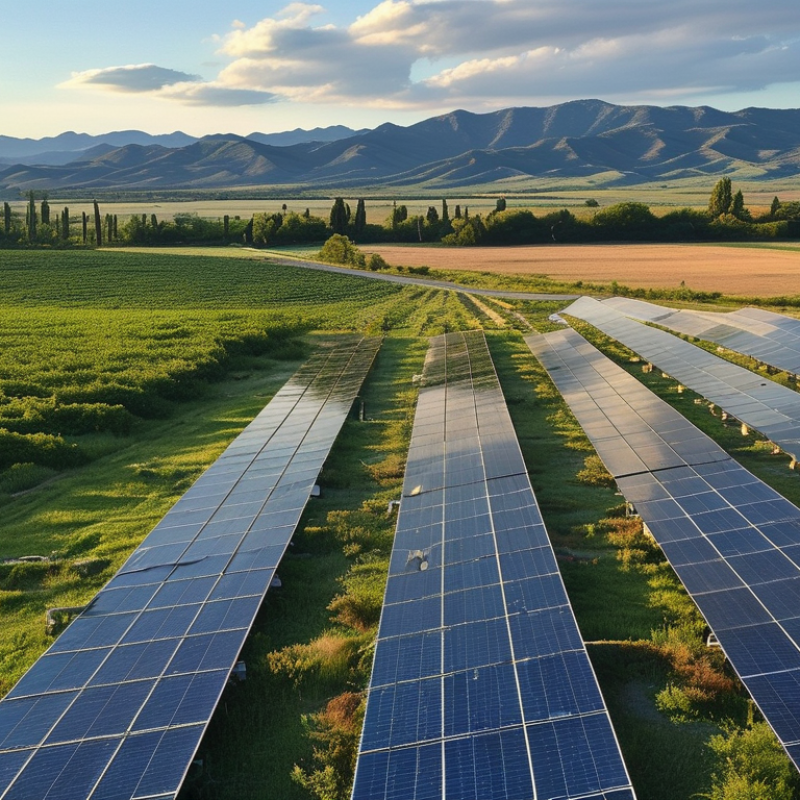
Dual axis solar trackers are innovative devices designed to optimize solar energy capture. They move panels both vertically and horizontally, following the sun's path throughout the day. This movement maximizes exposure to sunlight, leading to significantly higher energy generation than fixed panels. Users often report increased electricity production, which can offset installation costs over time.
However, not all installations benefit equally from dual axis systems. The geographic location plays a vital role in performance. In regions with high solar irradiance, these trackers can be particularly effective. Yet, in areas with frequent cloud cover, the gains may not justify the additional investment. Maintenance is another factor to consider. Trackers have moving parts that require regular checks, which may deter some users.
Although dual axis solar trackers offer superior energy capture, challenges such as cost and maintenance should prompt reflection. Understanding your specific energy needs and local conditions is essential before making a decision. Balancing potential benefits against these challenges can lead to a more informed investment choice.
When considering solar energy options, efficiency is key. Fixed solar panels usually have a set angle, limited to harnessing sunlight effectively for part of the day. In contrast, dual axis solar trackers move with the sun. This constant realignment allows for maximum sunlight capture throughout the day.
Studies show that dual axis trackers can boost energy production by up to 30%. However, they also demand higher initial costs and ongoing maintenance. This increased investment might raise an eyebrow. After all, will the additional energy yield cover these expenses over time?
The choice ultimately depends on your goals. If maximizing energy efficiency is your top priority, dual axis trackers can be worth it. For others, fixed panels might suffice. It's important to weigh both the benefits and drawbacks. Consider the long-term energy needs and financial implications before making a final decision.
This chart compares the average energy output of fixed solar panels and dual axis solar trackers over a year. The data demonstrates the efficiency gains provided by dual axis trackers in various conditions.
Investing in a dual-axis solar tracker can seem daunting. The initial costs are higher compared to fixed systems. Many reports estimate that dual-axis trackers can boost energy production by 25% to 45%. This increase stems from their ability to maintain optimal angles to the sun throughout the day. However, the initial investment requires careful consideration.
Long-term savings can offset these upfront costs. A 2021 report indicated that solar installations with tracking systems could achieve an average payback period of around 5 to 7 years. In contrast, fixed systems may take up to 10 years. This makes tracking systems more appealing for those focused on long-term financial benefits.
The challenges with dual-axis trackers include higher maintenance needs and potential mechanical failures. These issues might lead to unexpected costs. It's essential to weigh the potential savings against these risks. Solar technology is evolving. Future advancements may reduce costs for these systems, making them more accessible and reliable.
Investing in dual axis solar trackers can be a significant decision. These systems allow solar panels to move and adjust, optimizing sunlight exposure throughout the day. This increased efficiency can mean higher energy output. However, the initial investment is often much larger compared to fixed systems.
Several factors can influence your decision to invest. Firstly, location plays a crucial role. Areas with high solar insolation benefit more from trackers. The local climate, including seasonal sunlight variations, also matters. Additionally, space availability should be considered. Trackers occupy more ground area. Maintenance costs can be another challenge. These systems may require more upkeep compared to stationary panels.
Considering these factors, careful evaluation is essential. Not every project will justify the additional costs. It’s worth examining your energy goals and budget constraints. Sometimes, the simpler solution may be the most effective.
Balancing upfront costs with long-term gains can be tricky. Reflecting on both potential benefits and limitations is crucial for an informed choice.
The adoption of dual axis solar trackers is a growing trend in the renewable energy sector. These devices maximize solar energy capture by adjusting to the sun's position. It’s essential to consider the environmental impact of implementing such technology.
The significant advantage of dual axis trackers is their ability to enhance energy efficiency. By capturing more sunlight, they can reduce the need for additional power sources. This decrease directly translates to lower carbon emissions, which is a crucial factor in combating climate change. However, increased land use for these installations can raise concerns. More land dedicated to energy production means less space for natural habitats.
Moreover, manufacturing and installing dual axis trackers have their environmental costs. The production process can generate waste and consume resources. This aspect should not be overlooked when evaluating their overall impact. While the technology promises higher returns in clean energy, the trade-offs require careful consideration. Balancing energy needs with ecological preservation remains a challenge. The pursuit of sustainability must factor in these complexities for a holistic approach.
: Dual axis solar trackers are devices that optimize solar energy capture by rotating panels both vertically and horizontally.
They follow the sun's path, maximizing sunlight exposure, leading to higher energy generation compared to fixed panels.
Not always. Performance varies based on geographic location and local climate conditions, impacting overall benefits.
Many reports suggest a payback period of about 5 to 7 years, better than fixed systems, which may take 10 years.
Yes, they have moving parts that need regular checks, which may be a deterrent for some users.
Key factors include location, local climate, space availability, and maintenance costs associated with these systems.
Yes, higher maintenance needs and potential mechanical failures can result in unforeseen expenses.
The challenges include higher initial costs, maintenance requirements, and assessing whether the benefits justify these factors.
No, careful evaluation is crucial. Sometimes simpler solutions may be more effective based on energy goals.
Advancements in solar technology may reduce costs, making dual axis trackers more accessible and reliable in the future.
The article "Is a Dual Axis Solar Tracker Worth the Extra Investment?" explores the intricacies of dual-axis solar trackers and their operational benefits compared to fixed solar panels. It highlights how dual-axis trackers can significantly enhance energy efficiency by optimizing sunlight exposure throughout the day and across different seasons. The discussion includes a comprehensive cost analysis, weighing the initial investment against potential long-term savings achieved through increased energy production.
Additionally, the article delves into various factors that can influence the decision to invest in dual-axis solar technology, such as geographical location and energy needs. It also assesses the environmental impact, emphasizing the role of advanced solar technology in promoting sustainable energy practices. Ultimately, readers are encouraged to consider whether the enhanced efficiency and benefits of dual-axis solar trackers justify the additional costs, prompting the central question: Is a dual-axis solar tracker worth the extra investment?

Illumino Solar