As more homeowners seek sustainable energy solutions, the concept of solar carports has gained traction. A solar carport not only protects your vehicle but also generates clean energy. According to the U.S. Department of Energy, residential solar installations have increased by over 200% in the last five years. This boom leads many to ask, "Can I build a DIY solar carport structure at home?"
Expert John Miller, a solar energy engineer, emphasizes, "Creating a DIY solar carport can be a rewarding project if done correctly." This statement reflects the growing interest but also showcases the need for awareness about local regulations and design considerations. While it may seem straightforward, challenges such as structural integrity and optimal solar panel placement often arise.
Many projects face unexpected hurdles. For instance, insufficient space or local zoning laws might deter homeowners. Building a DIY solar carport requires thorough research and planning. Homeowners need to evaluate their readiness for such an endeavor. The benefits of going solar can be immense, but so can the pitfalls. Engaging with the right resources is essential for a successful project.
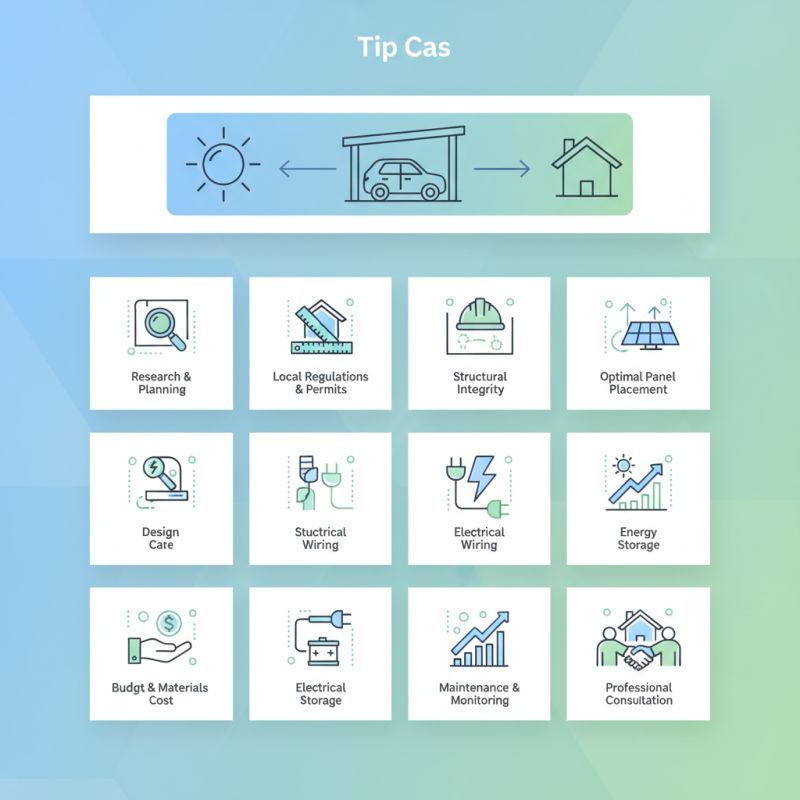
Essential Materials Required for Constructing a DIY Solar Carport
Building a DIY solar carport requires essential materials to ensure safety and efficiency. You will need solar panels, mounting brackets, and a charge controller. The solar panels should be at least 300 watts each, as this is a common size for residential setups. Mounting brackets should be corrosion-resistant to withstand various weather conditions. Data from the National Renewable Energy Laboratory shows that properly installed solar systems can increase property value by up to 15%.
Additionally, batteries for energy storage are crucial. Lithium-ion batteries are preferred due to their longevity and efficiency. A charge controller will help manage the energy flow and prevent overcharging. The typical cost for these materials can vary, but it's estimated that a DIY solar carport can range from $2,000 to $7,000, depending on the size and quality of components.
It’s important to consider the structural integrity of your carport. Choosing the right wood or metal for the frame is essential. Research indicates that untreated wood can decay quickly, reducing the lifespan of your carport. You might also need safety equipment for installation, such as gloves and safety glasses. Always double-check local building codes. Each region has specific guidelines that need adherence. Missing these could lead to costly modifications later.
Step-by-Step Guide to Designing Your Solar Carport Layout
Designing a solar carport layout requires thoughtful planning and precise measurements. According to a report from the National Renewable Energy Laboratory (NREL), solar carports can generate over 500 kilowatt-hours (kWh) of energy annually. This makes them a viable option for homeowners seeking sustainable energy solutions. Start with determining the size of the carport. Measure the space available while considering the dimensions of the vehicles you plan to accommodate.
Next, consider the roof angle for optimal solar panel placement. A roof slope of 15 to 40 degrees is often efficient for sunlight capture. Research shows that the ideal orientation for solar panels is south-facing in the Northern Hemisphere. Create a simple diagram of your layout, including the number and arrangement of solar panels. Be aware of any local regulations or neighborhood restrictions that may affect height or design. Additionally, reinforcement may be necessary depending on your carport's location, especially in areas prone to heavy snow or wind.
Lastly, prioritize accessibility and utility connections. Position the carport to avoid shading from nearby trees or buildings. In a survey conducted by Solar Energy Industries Association (SEIA), issues with shading contributed to a 10-15% decrease in energy production efficiency. A well-thought-out design minimizes these factors, ensuring your solar carport not only serves its purpose but enhances your property’s overall appeal.
Key Considerations for Optimal Solar Panel Placement
When considering the placement of solar panels on your DIY carport, orientation is key. Position the panels to face true south if you are in the Northern Hemisphere. This ensures maximum exposure to sunlight throughout the day. A tilt of 30 to 45 degrees may enhance energy capture during different seasons. Using adjustable mounts can help you optimize angles based on sun path variations.
[Image]
A well-thought-out layout is essential. Ensure that no trees, buildings, or other obstacles block sunlight access. Regularly check for debris accumulation, as this can hinder performance. While designing, consider using reflective materials around the carport. They can help enhance light capture. However, keep in mind that aesthetic choices may clash with solar efficiency.
Monitoring your solar output will help you identify any issues early on. Track the performance diligently after installation. It’s common to encounter unexpected shadows or obstructions that may arise over time. Stay adaptable; you may need to adjust your system to improve efficiency. Engaging with a community of DIY solar enthusiasts can provide insights and support through your journey.
Tools and Techniques for Building the Structure
Building a DIY solar carport at home is an exciting project. However, it requires careful planning and the right tools. Start with basic tools like a tape measure, level, and power drill. You may also need saws for cutting the wood and metal. Safety gear, including gloves and goggles, is essential. Proper tools ensure a solid structure.
Understanding construction techniques is equally vital. Measure your area carefully. Create a design that accommodates your vehicle. Use treated wood for longevity. Metal brackets can add strength to the joints. Don’t overlook the solar panel mounting systems. They must be sturdy and weather-resistant.
Mistakes can happen, like misalignment of panels. Take time to assess your work frequently. Get a second opinion to ensure accuracy. Adjust your design if necessary. Effective communication with friends or family can provide fresh perspectives. Building a solar carport at home can be rewarding, but attention to detail matters.
Safety Tips and Best Practices for Solar Carport Installation
When building a DIY solar carport, safety is paramount. Begin by wearing protective gear. Gloves and safety goggles are essential. Working with tools and electrical components can be risky. Ensure you have a first aid kit nearby. It's helpful to have someone assist you during the installation. This can provide an extra layer of safety and support.
Check your local building codes. Knowing the regulations can prevent future issues. Additionally, you must choose a solid foundation. Concrete or durable materials are advisable. Ensure the carport can withstand extreme weather. This might require extra reinforcement. Always double-check the stability of the structure as you progress.
Be aware of electrical safety rules. Make sure all wiring is properly insulated and secured. If uncertain, consult a professional electrician. This decision may save you from future hazards. Finally, consider the placement of solar panels. Position them for optimal sun exposure. Assessing all angles will maximize energy production. A thoughtful approach leads to better results, though mistakes are part of the learning process. Reflecting on challenges helps improve your skills.
Top 10 Tips for Building a DIY Solar Carport
This chart illustrates the top 10 tips to consider when building a DIY solar carport, including factors such as safety, planning, and materials. The ratings indicate the importance of each tip on a scale from 1 to 10.
FAQS
: Start by measuring the available space, considering your vehicle dimensions.
A roof slope between 15 and 40 degrees is often efficient for sunlight capture.
The ideal orientation for solar panels is south-facing to maximize sun exposure.
Include the number and arrangement of solar panels, plus any design considerations.
Regulations may affect your carport's height, design, and overall legality.
Basic tools like a tape measure, level, power drill, saws, and safety gear are essential.
Use treated wood for longevity and metal brackets to reinforce joints.
Wear gloves and safety goggles, keep a first aid kit nearby, and ask for assistance.
Assess your work frequently, get a second opinion, and adjust your design if necessary.
Position the panels for optimal sun exposure and reflect on challenges encountered for improvement.
Conclusion
Building a DIY solar carport is an engaging project that can enhance your home while providing sustainable energy solutions. To embark on this venture, you'll need essential materials such as solar panels, a sturdy frame, and anchoring hardware. Following a step-by-step guide to design your layout is crucial, as it helps to maximize space and efficiency. A key consideration is the optimal placement of solar panels to capture sunlight effectively. Additionally, familiarity with the right tools and techniques will simplify the construction process.
When questioning, “Can I build a DIY solar carport structure at home?” the answer is yes, provided you adhere to safety tips and best practices during installation. Ensure that all building codes and regulations are followed to create a safe and functional solar carport. With careful planning and execution, you can successfully integrate a solar carport into your home, contributing to renewable energy use while enhancing your property.

 Illumino Solar