Choosing the right solar orientation for your solar panels is crucial. The decision often boils down to how to choose between portrait and landscape solar orientation. Both orientations have their advantages and disadvantages. Portrait orientation generally takes up less roof space and can be more effective in areas with limited sunlight. Conversely, landscape orientation maximizes surface area and can capture more sunlight in expansive setups.
When thinking about solar panel orientation, consider your location and roof characteristics. For example, steeply pitched roofs may favor portrait placement. This orientation can lead to challenges, such as shading from nearby trees or buildings. In contrast, landscape orientation may require more space but could provide a higher energy yield in wide-open areas.
It's essential to reflect on these factors critically. Ideal solutions often depend on specific site conditions, making a one-size-fits-all approach insufficient. Understanding how to choose between portrait and landscape solar orientation can guide you toward an informed decision. Keep in mind that each choice brings unique challenges needing careful consideration.
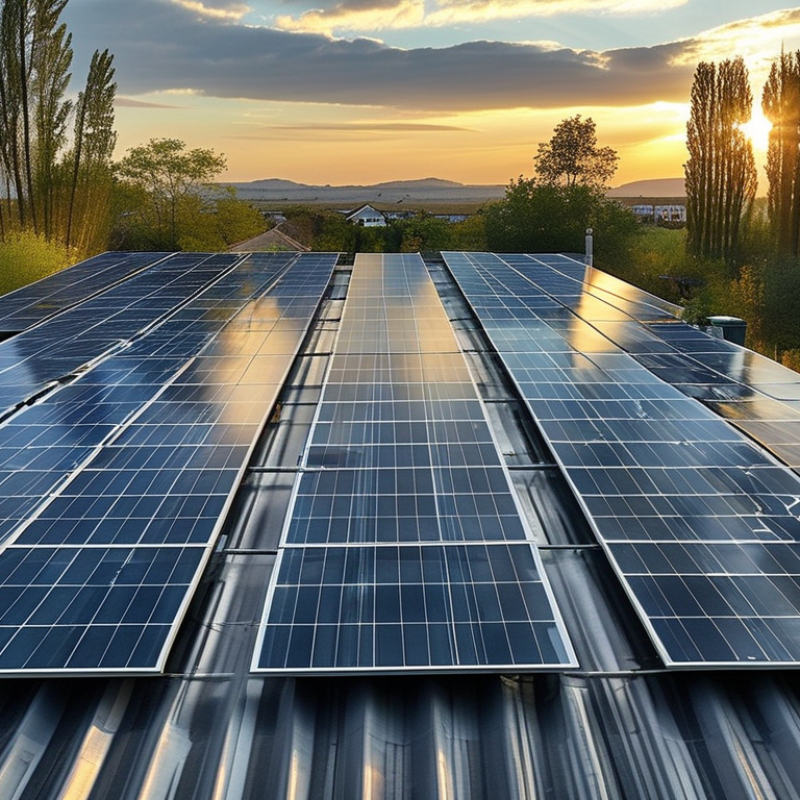
Factors Influencing Solar Orientation Choices in Solar Projects
When choosing between portrait and landscape solar orientations, several factors come into play. One key consideration is the geographical location. Areas closer to the equator may benefit from a landscape orientation, capturing more sunlight throughout the day. In contrast, regions further north or south might optimize energy capture with a portrait layout. Each site has unique characteristics that influence this decision.
The type of installation also affects orientation preference. Rooftop solar systems may have limited space, favoring a portrait orientation. Ground-mounted systems, however, often have more flexibility, allowing for a landscape setup that can capture sunlight over a greater area. Additionally, local regulations and zoning laws can impose restrictions, pushing some projects toward less ideal orientations.
Economic factors can't be overlooked. The initial installation cost, maintenance, and potential energy output should be assessed holistically. Projects with a tight budget might opt for simpler layouts, even if they compromise on efficiency. Engaging with solar professionals can provide insights, but it's crucial to remain critical of their recommendations, ensuring they align with the specific needs of each project.
Comparative Advantages of Portrait vs. Landscape Panel Installation
When choosing between portrait and landscape solar panel orientation, several factors come into play. Portrait installation aligns panels vertically, which can optimize space on rooftops with limited area. This setup can capture more sunlight during mornings and late afternoons. It's particularly beneficial for installations on smaller rooftops, where every inch counts. However, some users find that it can create shading issues if nearby objects obstruct sunlight.
In contrast, landscape orientation places panels horizontally. This configuration is better for large, open areas. It allows for larger arrays to be installed, maximizing energy production. Landscape installations often have fewer shading concerns, which can promote overall efficiency. However, they may require more ground space or roof area, which isn't ideal for every situation. Balancing these factors depends on unique environmental conditions, such as roof size, orientation, and local climate.
Ultimately, both orientations have distinct advantages and challenges. It’s crucial to assess your specific circumstances and priorities. This choice should reflect your energy needs and site conditions. Engaging an experienced solar installer can lead to insights that help make a more informed decision.
Comparative Advantages of Portrait vs. Landscape Solar Panel Orientation
Site Analysis: Assessing Space and Sunlight for Optimal Orientation
When analyzing your site for optimal solar orientation, start by examining the sunlight exposure throughout the day.
Check how shadows move across your space. Observe sunlight patterns in different seasons. This information is crucial for deciding between portrait and landscape orientations.
Consider the topography of your site as well. Nearby trees or buildings can block sunlight. These obstructions may affect your solar panel's efficiency.
Take accurate measurements of the shadow lengths at different times. This helps you visualize potential sunlight access. Remember, each site has unique challenges.
Evaluate your energy needs in tandem with your sunlight assessment. A space with more morning sun might suit different energy requirements compared to one with afternoon light.
Reflect on how this choice impacts your energy generation over time. Making the right orientation choice is essential for maximizing the benefits of solar energy.
Impact of Geographic Location on Solar Panel Orientation Decisions
When considering the orientation of solar panels, geographic location plays a significant role. The position of the sun varies by latitude and time of year. For instance, regions closer to the equator benefit from a more consistent sun path. This consistency can lead to better energy production with a landscape orientation. Conversely, areas further from the equator experience a more pronounced seasonal variation. In such cases, a portrait orientation may capture more sunlight during peak production months.
Understanding local weather patterns is equally critical. Some regions may have cloud cover or seasonal storms that affect solar efficiency. For example, coastal areas can have more variable weather compared to arid regions. Evaluating these factors ensures informed decisions. It’s not just about sunlight; it’s about real-life conditions.
Local regulations can add to the complexity. Some jurisdictions incentivize specific orientations or mounting systems. It’s essential to understand these rules to optimize energy output and compliance. Aim to explore different potential setups. Testing can lead to insights that pure calculations cannot provide. Embracing trial and analysis will yield more reliable outcomes for solar panel efficiency.
Best Practices for Selecting Orientation Based on Energy Needs
Choosing the right solar orientation can significantly impact energy efficiency. Portrait and landscape orientations each have unique benefits based on your specific energy needs. Portrait installations typically work well in limited spaces, maximizing surface area on smaller roofs. They capture sunlight efficiently, especially in areas with less direct sun exposure. However, this setup might not harness full power during peak sun hours.
On the other hand, landscape orientation is advantageous in open areas. This setup allows for larger panel arrays, optimizing energy capture during extended daylight. It's crucial to consider seasonal sun angles too. For regions with heavy cloud cover, a horizontal layout may outperform vertical configurations. You'll want to assess your space constraints and consider the potential output before making a decision.
Reflecting on my own experiences, I once underestimated the importance of orientation. A landscape layout initially seemed appealing, but I later found that partial shading from nearby trees hampered efficiency. Understanding your unique challenges can clarify the best choice for your situation. Balancing aesthetic preferences with energy needs often requires thoughtful analysis.
How to Choose Between Portrait and Landscape Solar Orientation? - Best Practices for Selecting Orientation Based on Energy Needs
| Orientation Type |
Optimal Energy Production (kWh/day) |
Best Climate Conditions |
Space Requirements (sq ft) |
Pros |
Cons |
| Portrait |
25 |
Moderate sunny days |
200 |
More efficient in low sunlight |
Less energy production in winter |
| Landscape |
30 |
High sun exposure |
300 |
Maximizes energy in direct sunlight |
Requires more space |
| Tilted Portrait |
28 |
Variable conditions |
250 |
Improved performance in varied conditions |
Adjustment needed for optimal angle |
| Tilted Landscape |
35 |
Optimal for warm climates |
350 |
Maximizes efficiency in summer |
Diminished performance in winter |
FAQS
: Portrait panels are vertical and optimize space, while landscape panels are horizontal and better for larger areas.
They capture more sunlight in the morning and late afternoons and work well on small rooftops.
Nearby objects can create shading issues, reducing overall efficiency and output.
It allows for larger arrays, maximizing energy production with fewer shading concerns.
They typically need more space, making them unsuitable for smaller roof areas.
Regions close to the equator benefit from consistent sunlight and may favor landscape orientation.
Cloud cover or storms can affect performance, making location assessment important.
Some areas incentivize certain orientations; understanding these helps in optimizing output.
Exploring various setups through trial can provide insights that calculations might miss.
Assess your specific energy needs, site conditions, and local environmental factors carefully.
Conclusion
When contemplating how to choose between portrait and landscape solar orientation, several critical factors must be taken into account. These include the specific site conditions such as available space and sunlight exposure, which can significantly influence installation choices. Portrait installations provide a taller profile that can capture sunlight more effectively in certain angles, while landscape orientations often maximize the use of horizontal space, making them advantageous in numerous scenarios.
Additionally, geographic location plays a pivotal role in determining the most efficient orientation for solar panels. Regions with varying sun paths throughout the year may necessitate different approaches to optimize energy capture. Evaluating energy needs is essential, as the choice between portrait and landscape can affect energy output and system efficiency. By analyzing these elements thoroughly, one can make an informed decision that aligns with both site-specific conditions and overall energy requirements.

 Illumino Solar