Choosing the right solar mounting system for your roof is crucial. It's not just about installing panels. It affects efficiency and longevity. A proper system ensures optimal sunlight exposure. It also enhances your roof's structural integrity.
Multiple factors come into play. The roof type and its slope can dictate your choices. For flat roofs, ballasted systems work well. Steeper roofs may require fixed or adjustable mounts. Understanding your roof's unique features is vital.
Many homeowners struggle with this decision. It’s easy to feel overwhelmed. Consulting with experts can provide clarity. They can recommend systems tailored to your specific needs. After all, knowing how to choose the right solar mounting system for my roof may seem daunting, but informed decisions lead to better returns on your investment.
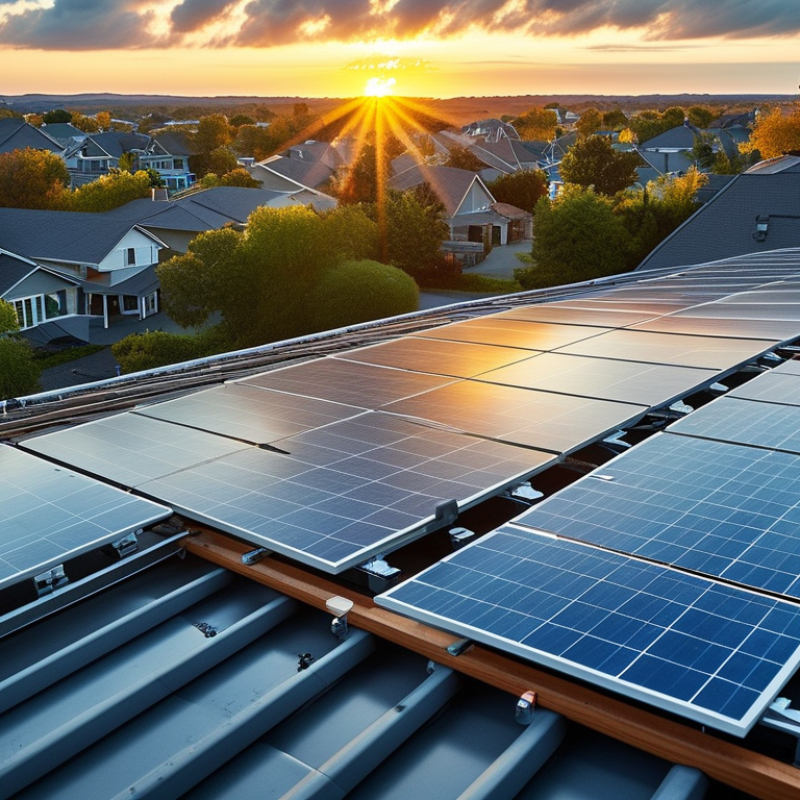
When considering solar mounting systems for your roof, it's essential to understand the various types available. Each type offers unique features tailored to different roofing styles. For example, roof-mounted systems are typically used for residential homes. They are designed to utilize existing structural elements, ensuring a less invasive installation.
Ground-mounted systems are another option. These are ideal for properties with ample land. They allow for maximum exposure to sunlight, which can enhance energy efficiency. However, this type may require more land management.
Ballasted systems are also popular, as they do not penetrate the roof surface. Instead, they use weights to secure the panels in place. This method can be beneficial for flat roofs.
Additionally, there are adjustable mounting systems. These can tilt solar panels for optimal sun exposure throughout the day. While effective, the complexity of installation can be a concern. It's vital to reflect on which system suits your needs best. Understanding the pros and cons helps in making an informed decision.
When evaluating your roof's structure, consider its material and age. Some materials are better suited for solar mounting systems. For instance, asphalt shingles and metal roofs are commonly used. Each material may require different mounting techniques. Knowing your roof type helps in selecting compatible mounting systems.
Tips: Check your roof for damage. Cracks or weak spots can compromise solar panel installation. If unsure, consult a professional. A structural assessment might highlight areas for reinforcement. Investing in this step pays off in the long run.
Weight support is crucial. Solar panels add extra load to your roof. Ensure your roof can handle this weight. A structural engineer can guide you. They can help identify the right mounting solution based on your roof's design. Not all roofs are created equal.
Remember, installation flaws can lead to leaks. Poor alignment may cause water to pool. Regular maintenance checks are essential. Keeping your roof and solar system in top shape prolongs their lifespan. Each element of the installation must work together seamlessly for optimal performance.
When choosing a solar mounting system, local climate conditions play a vital role. Different regions experience varying weather patterns, which influence the performance of solar panels. Understanding these conditions can help you select an appropriate mounting system that maximizes energy generation. For instance, areas with heavy snowfall need mounts that can support additional weight. In contrast, windy regions require durable systems that can withstand high gusts without damage.
Tips for assessing local conditions include checking the historical weather data. Look for temperature extremes, wind speeds, and precipitation levels. Conducting a roof inspection can also reveal how well it's suited to handle different weather events. Seek advice from local solar experts to gain insights on regional challenges and best practices. Remember, a system that works in one area may not be effective in another.
Consider the orientation and angle of your roof as well. This impacts how much sunlight hits the panels throughout different seasons. The ideal angle may vary depending on your location. Be open to adjusting your setup based on prevailing weather patterns. Building a flexible approach ensures better long-term performance and resilience.
| Local Climate | Recommended Mounting Type | Wind Load Rating (lbs/sqft) | Snow Load Rating (lbs/sqft) | Optimal Tilt Angle (degrees) |
|---|---|---|---|---|
| Tropical | Flush Mount | 30 | 20 | 15 |
| Temperate | Tilt Mount | 25 | 15 | 30 |
| Cold | Adjustable Mount | 40 | 25 | 45 |
| Arid | Ground Mount | 20 | 10 | 25 |
| Windy | Heavy-Duty Mount | 60 | 10 | 30 |
When considering a solar mounting system for your roof, cost factors play a crucial role. The installation cost can vary significantly based on the roof type and pitch. Flat roofs may require different mounts than sloped roofs. This variation can lead to fluctuating prices, affecting your overall budget.
Another important aspect is the choice of materials. High-quality materials may have a higher upfront cost but can reduce maintenance expenses over time. This is where long-term thinking becomes essential. Sometimes, opting for cheaper solutions can lead to higher costs later on. You may save money now but could face issues down the road.
Don't forget about additional expenses like labor and permits. Even minor factors, such as the complexity of your roof design, can influence installation costs. Budgeting for unexpected expenses is wise. It's a good idea to consult with professionals who can provide reliable estimates. Their expertise can guide you through the financial aspects, helping you make informed decisions for your solar setup.
Choosing the right solar mounting system for your roof involves careful consideration of installation requirements and maintenance. Different roofs may present unique challenges. Studies indicate that up to 60% of roof installations may not meet optimal angle requirements. This lack of proper alignment can significantly reduce energy efficiency.
When installing solar mounts, it’s crucial to assess the roof's material and structural integrity. For instance, asphalt shingles and metal roofs require different attachment methods. Additionally, a report from the National Renewable Energy Laboratory states that poorly installed mounts can lead to leaks. Therefore, ensuring a weather-tight seal is essential to avoid costly repairs.
Routine maintenance is often overlooked. Solar panels typically require cleaning to operate efficiently. Dust and debris can block sunlight, reducing output by up to 25%. It's recommended to inspect mounts at least twice a year. Neglecting this can lead to deterioration of both mounts and panels. Taking proactive steps can prolong the system’s life and improve its efficiency.
: Check the roof's material, age, and any damage. Different materials need specific mounting techniques.
Solar panels add extra load. Your roof must support this weight. Consult a structural engineer for guidance.
Climate impacts energy generation. Areas with heavy snowfall need sturdy mounts, while windy regions require durable systems.
Examine historical weather data, roof inspection results, and consult local solar experts for specific insights.
Roof angle impacts sunlight exposure. Adjust your system based on seasonal weather patterns for better performance.
Installation costs vary with roof type, pitch, and material choices. Flat roofs differ from sloped roofs in pricing.
Cheaper solutions may lead to higher future costs. High-quality materials can save money on maintenance long-term.
Consider labor, permits, and potential unexpected costs. Complex roof designs can influence overall expenses too.
Regular maintenance checks and proper alignment prevent leaks. Each installation component must work well together.
Professionals provide reliable estimates and guidance, helping you make informed financial decisions. Their expertise is essential.
When considering how to choose the right solar mounting system for my roof, it is essential to start by understanding the different types of solar mounting systems available. Options range from fixed mounts to adjustable and solar trackers, each suited for specific roof types and installation needs. Evaluating your roof's structure and material compatibility ensures that the chosen system can be securely installed and will perform effectively.
Additionally, assessing local climate conditions is crucial for optimal system performance. Factors such as wind load and snow accumulation can impact the durability and efficiency of the solar mounts. Cost factors and budget considerations should be analyzed to find a system that meets financial constraints while still delivering value. Finally, understanding installation requirements and ongoing maintenance needs will help ensure that your solar mounting system operates effectively throughout its lifespan.

Illumino Solar