2026 How to Choose Between Fixed Tilt and Solar Trackers?

Time:2026-05-25 Author:Sienna
0%

When deciding between fixed tilt and solar trackers, understanding the details is crucial. What is the difference between fixed tilt and solar trackers? Fixed tilt systems maintain a permanent position, angled towards the sun. In contrast, solar trackers adjust their orientation throughout the day. This difference impacts energy efficiency and overall yield.

Choosing the right system requires knowledge and careful assessment. Fixed tilt installations are straightforward, typically more affordable, and require less maintenance. However, they can miss out on optimal sun exposure. Solar trackers, while initially more costly, can significantly boost solar energy capture. They follow the sun, maximizing light absorption and enhancing output.

Each option has its trade-offs. Fixed tilt suits certain locations better, given stable weather patterns and space constraints. Meanwhile, solar trackers excel in areas with high sunlight variability. Weighing these factors can lead you to the best decision for your solar investment.
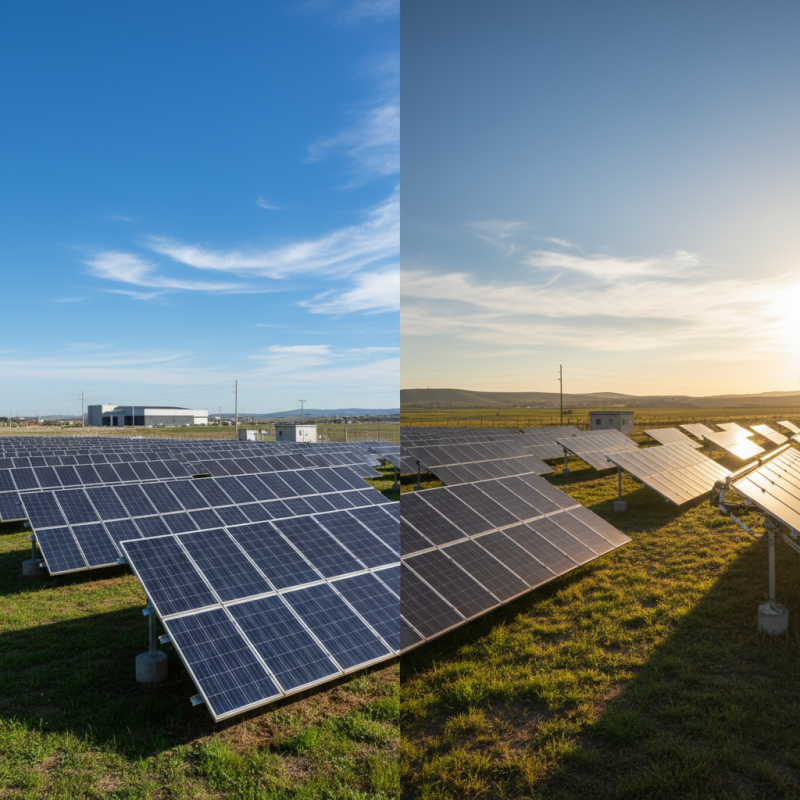
2026 How to Choose Between Fixed Tilt and Solar Trackers?

Understanding Fixed Tilt Systems and Their Benefits

Fixed tilt solar systems are a popular choice for many solar installations. They involve mounting solar panels at a fixed angle, which is determined based on geographical location and seasonal sunlight patterns. These systems are simple to install and require less maintenance than solar trackers. Their design allows for effective energy production throughout the year, especially in areas with consistent sunlight.

Many users appreciate the reliability of fixed tilt systems. They can be installed quickly and generally have lower upfront costs. This makes them a sound investment for homeowners and businesses alike. While they do not optimize sunlight exposure like trackers, they provide a steady return on investment over time.

Tips for choosing a fixed tilt system:
- Analyze local weather patterns to determine the optimal angle for panel installation.
- Consider your budget and maintenance preferences. A simpler system might suit your needs better.
- Reflect on space availability. Fixed systems require less ground area compared to trackers.

Ultimately, the fixed tilt system's simplicity often outweighs the additional energy output from solar trackers. Knowing your unique situation can guide you toward making the right decision.

Exploring Solar Trackers: How They Work and Their Advantages

Solar trackers are innovative devices that adjust the angle of solar panels to follow the sun's path. This movement maximizes solar energy absorption throughout the day. By tilting the panels, solar trackers can increase energy production by up to 25%. They harness sunlight more efficiently compared to fixed tilt systems. However, they come with a higher initial cost and require regular maintenance.

Understanding how solar trackers function is crucial. They often use sensors to detect sunlight and motors to move the panels. This technology is beneficial, especially in areas with high solar exposure. Yet, potential users should consider local weather conditions. In regions with frequent storms, the added complexity of trackers may pose challenges. Some might prefer the simplicity of fixed tilt systems, which have fewer moving parts and lower maintenance needs.

While solar trackers can offer significant advantages, they are not universally ideal. Evaluating specific project needs is essential. Future advancements in technology could lead to better designs, perhaps reducing the downsides of trackers. Reflecting on these factors can help in making informed decisions about solar energy investments.

Key Factors to Consider When Choosing Between Systems

When choosing between fixed tilt systems and solar trackers for solar energy solutions, several factors come into play. Solar trackers can increase energy production by up to 25% compared to fixed tilt systems, according to data from the National Renewable Energy Laboratory. However, they require more maintenance and can incur higher initial costs. Understanding your project’s location and environmental conditions is crucial.

Fixed tilt systems have lower upfront expenditures, making them an appealing choice for budget-constrained projects. They also have reliable performance with reduced complexity. However, they may not maximize solar generation, especially in regions with varied sunlight angles.

Additionally, consider land use and installation space. Trackers often need more land due to their motion requirements. This can limit their feasibility in densely populated areas. While the production increase is tempting, the operational drawbacks like potential mechanical failures can lead to unforeseen expenses. Balancing these elements will provide a clearer path to a successful solar energy investment.

Cost Analysis: Fixed Tilt vs. Solar Trackers in Long-Term Investment

When considering a solar energy investment, weighing fixed tilt systems against solar trackers is crucial. Fixed tilt systems are simpler and often less expensive to install. They require minimal maintenance and have predictable energy output. Yet, they may fall short in harnessing maximum sunlight throughout the day.

On the other hand, solar trackers adjust their position to follow the sun. This technology can increase energy output by 20 to 40%. However, the initial cost can be significant, and they often require more maintenance. This cost analysis is vital for long-term investments.

**Tips:** Carefully analyze your location's sunlight patterns. Areas with consistent sun may benefit from fixed tilt systems. In contrast, regions with varied sunlight may justify the higher cost of solar trackers. Always consult with a solar energy expert to evaluate your specific needs. Remember, both options have their drawbacks. It is essential to assess the long-term benefits against the risks.

Cost Analysis: Fixed Tilt vs. Solar Trackers in Long-Term Investment

Performance Evaluation: Energy Output and Efficiency Comparisons

When considering fixed tilt versus solar trackers, performance is crucial. Solar trackers can significantly boost energy output by following the sun’s path. This means more direct sunlight exposure. Studies show that trackers can increase energy generation by up to 25% in some regions.

However, the increased efficiency comes at an upfront cost. Fixed systems require less maintenance and are simpler to install. Areas with fewer weather fluctuations may benefit from the steadiness of a fixed system. Balancing efficiency and cost is vital for optimal decision-making.

**Tips:** Evaluate local solar conditions. This helps determine which option maximizes energy production. Consider maintenance schedules. A more complex system may lead to unexpected costs over time. Always perform a detailed cost-benefit analysis before making a choice.

Investing in solar technology should align with your long-term goals. Reflect on how each option meets your energy needs. Selecting the right system is key to achieving sustainable energy use in the future.

FAQS

: What are fixed tilt solar systems?

: Fixed tilt solar systems mount panels at a set angle for effective energy production year-round.

What is the main benefit of fixed tilt systems?

They are simple, cost-effective, and require less maintenance compared to solar trackers.

How does a fixed tilt system's performance compare to solar trackers?

Solar trackers can increase energy production by up to 25%, but fixed tilt systems are more reliable.

What factors should I consider when choosing a solar system?

Analyze local weather, your budget, maintenance needs, and available installation space before making decisions.

Why might someone choose a fixed tilt system over a tracker?

Fixed systems have lower initial costs and require less maintenance, providing steady returns.

Can fixed tilt systems maximize energy generation?

No, they may not maximize generation in areas with varying sunlight angles as effectively as trackers.

How does maintenance impact solar tracker systems?

Trackers require more maintenance, which can lead to unexpected costs over time.

What is an important step before choosing a solar system?

Perform a detailed cost-benefit analysis to ensure you are making a wise investment.

What influence does land availability have on solar system choice?

Trackers need more space, which can limit their use in densely populated areas.

How do I ensure my solar investment aligns with my goals?

Reflect on how each option meets your energy needs and future plans in sustainable energy use.

Conclusion

The article "2026 How to Choose Between Fixed Tilt and Solar Trackers?" provides a comprehensive overview of two key solar energy systems: fixed tilt systems and solar trackers. It begins by explaining fixed tilt systems and their benefits, such as lower installation costs and simpler maintenance. In contrast, it explores how solar trackers function and the advantages they offer, including increased energy capture due to their ability to follow the sun's movement.

Crucially, the article addresses the question, "What is the difference between fixed tilt and solar trackers?" by outlining key factors in the decision-making process, including cost analysis and performance evaluation. A comparative examination reveals how each system performs regarding energy output and efficiency, allowing potential investors to make informed decisions based on long-term investment viability.

Sienna

Sienna

Sienna is a skilled marketing professional with a deep expertise in our company’s core products and services. With a passion for innovation and detail, she plays a pivotal role in crafting insightful blog posts that not only highlight the unique features of our offerings but also provide valuable......