When considering the best materials for solar racking structures, one question often arises: "Why use aluminum instead of steel for solar racking structures?" Renowned industry expert Dr. Jane Thompson states, “Aluminum offers unmatched corrosion resistance, making it ideal for various environments.” This reflects the increasing preference for aluminum over steel in solar applications.
Aluminum is lightweight and durable. This reduces installation costs and time. Unlike steel, aluminum does not rust easily. This makes it suitable for coastal areas and other harsh environments. Additionally, aluminum's recyclability is a significant advantage. It aligns with the sustainability goals of the solar industry. However, aluminum can be more expensive initially.
Moreover, the strength-to-weight ratio of aluminum allows for more compact designs. This can lead to more efficient use of space on solar farms. Yet, choosing aluminum isn't always straightforward. It's essential to consider specific project needs and environmental conditions. Weighing these factors carefully is vital for making the best decision.
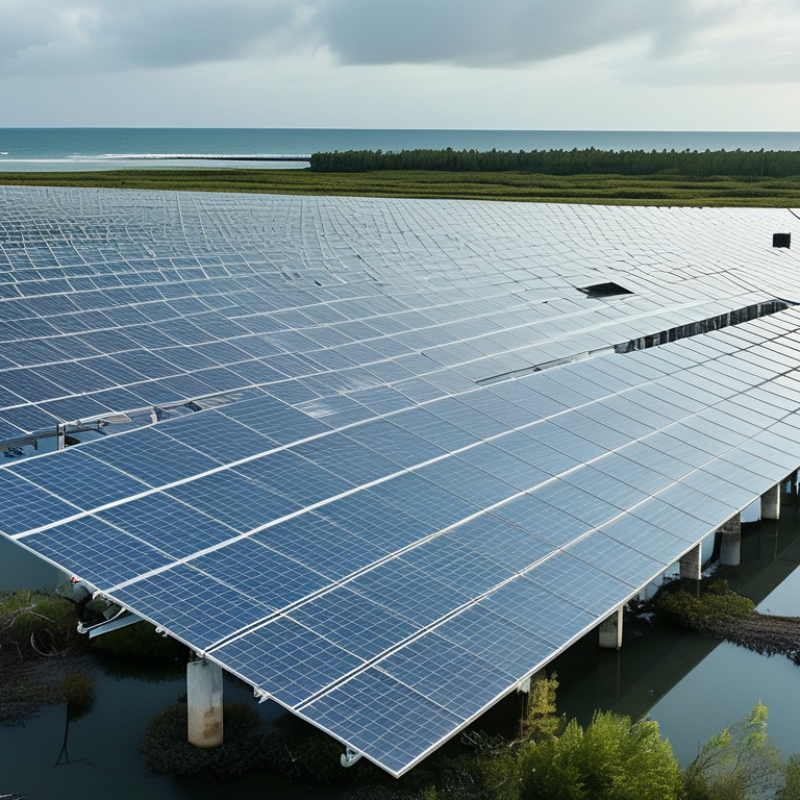
Benefits of Aluminum in Solar Racking Structures
When considering solar racking structures, aluminum offers several distinct benefits over steel. One key advantage is its lightweight nature. This makes transportation and installation simpler and often reduces labor costs. Aluminum structures can withstand harsh weather conditions, making them ideal for various climates. They resist corrosion effectively, ensuring long-term durability and lower maintenance costs. This longevity is important in protecting investment in solar energy.
For those looking to choose between these materials, consider these tips: Assess the local environmental conditions. Aluminum excels in saline or coastal areas where corrosion might be a concern. Evaluate the weight restrictions of your installation site. Since aluminum is lighter, it may allow for more flexible design options. Lastly, consider future maintenance. Choosing aluminum generally means less upkeep, translating to ongoing savings.
Many might wonder about the cost. While aluminum can be pricier upfront, the long-term benefits outweigh initial expenses. Investing in aluminum can lead to fewer replacements or repairs. Reflect on your project’s goals and budget, weighing immediate costs against future benefits. Ultimately, the decision will depend on your specific needs and local conditions.
How to Choose Aluminum Over Steel for Solar Racking Structures? - Benefits of Aluminum in Solar Racking Structures
| Dimension |
Aluminum |
Steel |
| Weight |
Lightweight |
Heavy |
| Corrosion Resistance |
High |
Low |
| Durability |
Good |
Excellent |
| Thermal Conductivity |
High |
Moderate |
| Cost |
Moderate |
Lower |
| Installation Ease |
Easier |
More Complex |
Comparative Analysis: Aluminum vs. Steel
Aluminum and steel are two popular materials for solar racking structures. When deciding between them, several factors come into play. Aluminum is lighter than steel, making installation easier. This can lead to reduced labor costs. However, aluminum may have a higher initial cost. Steel, while heavier, offers significant strength. For areas with extreme weather, steel might provide better durability.
Choosing the right material often depends on specific project requirements. If a project requires flexibility and innovation, aluminum is a solid choice. It can withstand corrosion better, especially in coastal regions. Steel, with proper treatment, can also last. However, it requires regular maintenance to prevent rust and decay.
When making your decision, consider local environmental conditions. Uneven ground might require a flexible racking system. Think about potential weight restrictions when planning your installation. Always analyze long-term costs versus short-term investment. The right choice can lead to lasting efficiency and performance.
Factors Influencing Material Choice for Solar Racking
When selecting materials for solar racking structures, several factors come into play.
Aluminum and steel are common choices, each with unique benefits. Aluminum is lightweight. This makes installation easier, especially in remote areas.
It is also resistant to corrosion, extending the lifespan of the racking system. However, it typically has a higher upfront cost compared to steel, which can be a deterrent for some projects.
Weight is another critical factor.
Aluminum’s lower weight can reduce the need for extensive groundwork. This may lead to lower installation costs overall. However, some may argue that steel offers more durability in severe weather conditions.
In regions prone to heavy winds or snow loads, the strength of steel could provide more peace of mind. Yet, steel can rust, possibly impacting its long-term performance.
Environmental considerations also play a role. Aluminum is recyclable, which appeals to eco-conscious projects. Steel's recyclability is also significant but may require more energy to recycle.
Ultimately, understanding these nuances helps stakeholders make informed materials choices. Balancing cost, durability, and environmental impact is essential for successful solar installations.
Durability and Corrosion Resistance of Aluminum
When considering solar racking structures, the choice between aluminum and steel often boils down to durability and corrosion resistance. Aluminum offers a significant advantage in this area. Research indicates that aluminum can resist corrosion for over 50 years, particularly in harsh conditions. According to the National Renewable Energy Laboratory, aluminum structures showcase a lifespan that can exceed 30 years under normal operating conditions without significant degradation.
The corrosive environment prevalent in many installation sites affects steel significantly more than aluminum. Steel often requires protective coatings, which can be costly and require maintenance. In contrast, aluminum's inherent resistance to rust allows for lower long-term maintenance costs. A study by the International Energy Agency highlights that using aluminum in solar racking can reduce overall project costs by up to 10% due to reduced maintenance needs.
While the initial investment in aluminum may be higher, its long-term benefits should not be overlooked. The durability of aluminum in corrosive environments means fewer replacements and repairs over time. However, some may question the environmental impact of aluminum's production and its recyclability. Balancing these factors is essential in making an informed decision for sustainable energy solutions.
Cost Considerations in Choosing Aluminum for Racking
When considering solar racking structures, the initial cost is a significant factor. Aluminum often has a higher price tag compared to steel, which can deter decision-makers. However, it's essential to look beyond immediate expenses. Aluminum's lightweight nature can reduce installation costs. This is especially relevant in complex installations where saving time and labor translates into financial benefits.
Durability is another crucial aspect. Aluminum resists corrosion better than steel, leading to lower maintenance costs over time. The long-term savings from reduced repairs may offset the higher upfront costs. Solar projects have lifespans of 25 years or more. Choosing aluminum can provide peace of mind and reliability over the decades.
While steel may seem more economical at first glance, it may require additional treatments for longevity. This complicates the decision-making process. Evaluating the total cost of ownership is vital. Often, the short-term savings with steel can lead to high long-term expenses. Balancing these factors is essential for a sound investment in solar racking structures.
Cost Comparison of Aluminum vs Steel for Solar Racking
This chart provides a comparison of the material costs per kilogram of aluminum and steel used for solar racking. Aluminum typically has a higher cost per kilogram compared to steel, which can influence the overall budgeting for solar projects.
FAQS
: Aluminum is lightweight, making transportation and installation easier.
Aluminum is designed to withstand harsh conditions and resist corrosion.
Aluminum excels in saline environments where corrosion is a concern.
Aluminum requires less upkeep, leading to lower long-term maintenance costs.
Yes, despite higher upfront costs, aluminum offers savings through durability.
Aluminum can resist corrosion for over 50 years in harsh conditions.
Aluminum's lighter weight allows for more flexible design options.
Steel requires protective coatings, which can be costly and need maintenance.
Using aluminum can reduce overall project costs by up to 10% due to lower maintenance.
Yes, considerations about production impact and recyclability should be balanced.
Conclusion
When considering the question of "Why use aluminum instead of steel for solar racking structures," the benefits of aluminum become evident. Aluminum is significantly lighter than steel, which simplifies transport and installation. Its excellent corrosion resistance ensures longevity and reduces maintenance costs over time, making it a prudent choice for solar applications exposed to various environmental factors.
A comparative analysis shows that while steel might have a lower upfront cost, the long-term savings associated with aluminum's durability and minimal upkeep can outweigh initial expenses. Additionally, factors influencing material choice, such as environmental conditions and structural load requirements, play a crucial role in the decision-making process. Ultimately, the advantages of aluminum in terms of weight, resistance to corrosion, and lifecycle costs make it a favorable option for solar racking structures.

 Illumino Solar