As the demand for renewable energy sources grows, commercial solar roof structures have become essential. Businesses seek to harness solar energy effectively. Understanding "What are the structural requirements for a commercial solar roof" is crucial for successful implementation.
Dr. Emily Wang, a prominent expert in renewable energy infrastructure, emphasizes, "The integrity of solar roofs is paramount; they must withstand various environmental stresses." Her insights underline the importance of robust design and careful materials selection.
Solar roof structures must support heavy panels. They should endure wind loads and seismic activities. Proper calculations and evaluations help ensure safety and longevity. Businesses must work with engineering professionals to assess their unique requirements. This approach minimizes risks and enhances reliability. Building codes and regulations also influence these requirements, adding complexity to the planning process. While solar roofs present immense opportunities, potential challenges lie ahead. Understanding the balance between innovation and structural integrity is essential for sustainable success.
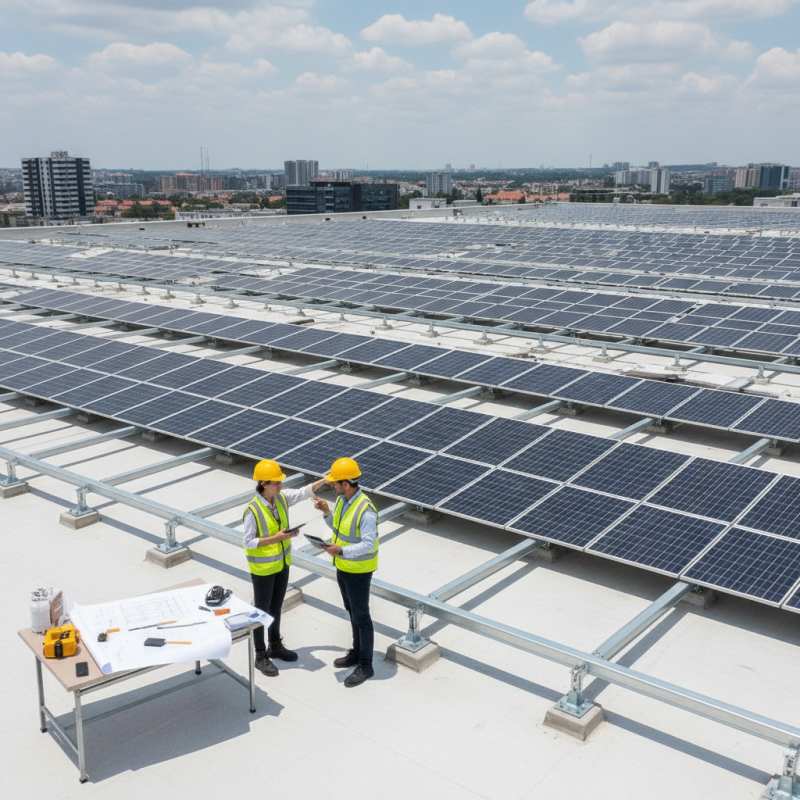
The commercial solar roof market in China is expanding rapidly. As companies seek sustainable energy solutions, these structures offer a reliable source of power. They integrate solar panels into building designs, maximizing energy efficiency and minimizing carbon footprints. This trend reflects a growing commitment to renewable energy.
Many commercial buildings start this journey with innovative designs. Roofs must support the weight of solar panels while ensuring durability. Engineers play a key role in developing structures that withstand local weather conditions. Additionally, installation and maintenance guidelines are critical for longevity.
Yet, challenges remain. Not all buildings can accommodate solar roofs due to structural limitations. Adapting existing buildings requires careful planning and investment. Furthermore, regulations around safety and energy use vary widely. Continuous improvements in technology can help overcome these hurdles, but the journey is ongoing. Addressing these issues requires collaboration from developers, engineers, and policymakers.
| Requirement | Description | Importance Level | Regulatory Reference |
|---|---|---|---|
| Structural Integrity | Must support the weight of solar panels and withstand environmental conditions. | High | GB50009-2012 |
| Electrical Safety | All electrical components must comply with national safety standards. | High | GB/T 50054-2017 |
| Environmental Impact | Assess the ecological impact of installation and operation. | Medium | GB/T 24001-2016 |
| Permitting | Secure necessary permits from local authorities before installation. | High | Local Government Regulations |
| Performance Monitoring | Systems must include monitoring to track performance and efficiency. | Medium | National Energy Authority Guidelines |
: Solar panels use toxic materials during production, posing risks to the environment. Proper recycling is crucial to manage these impacts.
Installation is vital. An improperly designed system may underperform, resulting in wasted energy. This defeats solar's environmental purpose.
Ensure your roof can hold the weight of the panels. Also, confirm local regulations regarding permits to avoid future issues.
Solar panel efficiency heavily depends on sunlight availability. Assessing local conditions helps improve panel placement and energy capture.
The government offers subsidies and tax benefits for solar investments. These can lower initial costs and encourage project adoption.
The application process for financial incentives is often complex. Bureaucratic red tape can stall potentially beneficial projects.
Incorporating rainwater systems can reduce runoff. This promotes biodiversity while complementing the solar roofing system.
Balancing incentives with sustainable land use is challenging. Protecting biodiversity while expanding solar infrastructure is a key concern.
Yes, tax benefits encourage larger projects and innovations. However, ongoing dialogue among stakeholders is needed for effective progress.
High initial costs and complex applications for incentives create barriers. Clearer guidelines and streamlined processes are necessary for improvement.
In recent years, the demand for commercial solar roof structures in China has surged, leading to a focus on understanding "what are the structural requirements for a commercial solar roof." These requirements include compliance with key regulations that govern solar roof installations, which ensure safety and efficiency. Additionally, designers must select essential materials and adhere to design standards that can withstand various environmental conditions while maximizing energy output.
Furthermore, environmental considerations and the potential impacts of solar roofing on local ecosystems are critical. Ultimately, the Chinese government offers various financial incentives and support mechanisms to encourage the adoption of solar projects, making it increasingly advantageous for businesses to invest in solar energy solutions for their roofs. This comprehensive approach not only addresses regulatory aspects but also promotes sustainable energy practices in commercial spaces.

 Illumino Solar