Installing solar panels on a metal roof can be a rewarding yet challenging process. Metal roofs, particularly standing seam types, offer numerous advantages. They are durable, long-lasting, and environmentally friendly. According to the Solar Energy Industries Association (SEIA), in 2022, solar installations in residential areas increased by over 20%. This trend reflects growing interest among homeowners to harness solar energy.
When considering how to install solar panels on a standing seam metal roof, it is crucial to understand specific installation techniques. Proper methods ensure efficient energy generation and roof integrity. Many installers recommend using specialized clamps for secure mounting, as they avoid direct penetration of the roofing material. This protects the roof from leaks and potential damage.
While the installation process can seem straightforward, challenges often arise. For instance, aligning solar panels perfectly with existing roof features is essential but may require careful planning. Moreover, local regulations can influence installation methods. It’s wise to consult with local professionals to ensure compliance with building codes. Ultimately, taking these factors into account can lead to a successful solar panel installation on a metal roof.
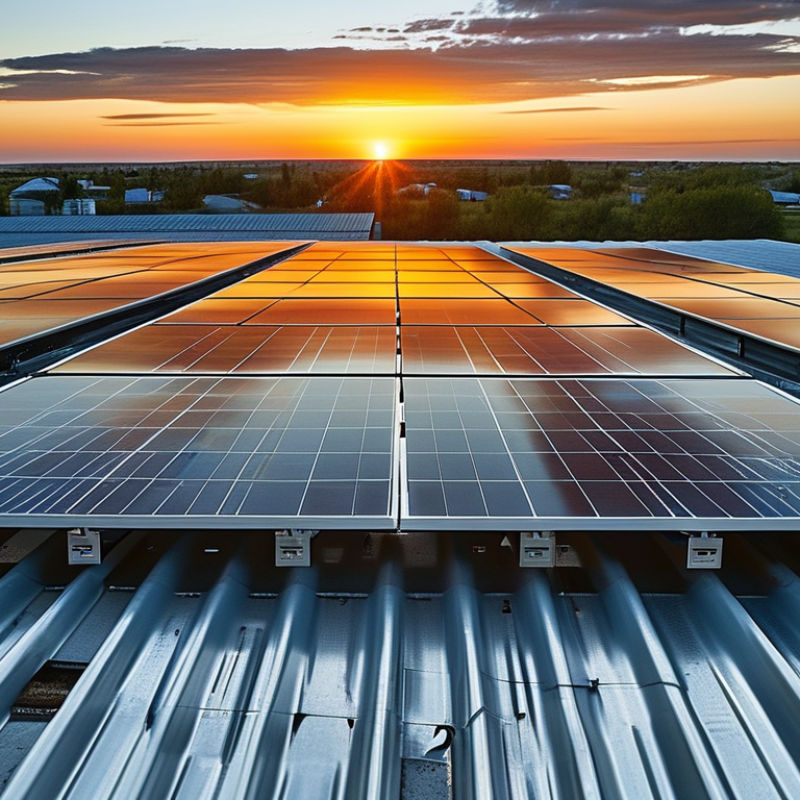
When considering solar panel installation on a metal roof, selecting the right solar panel system is crucial. Metal roofs are durable and can provide excellent support for solar panels. However, the type of solar system matters significantly. You want a system that matches the roof’s pitch and material. Choosing panels with a lightweight design will help reduce stress on the roof.
Compatibility is another factor. Some solar panels are better suited for metal roofs due to their attachment mechanisms. Solar mounting brackets designed for metal roofs offer ease of installation. These brackets can prevent roof leaks and ensure stability during harsh weather. Pay attention to the specifications of different panels. It’s vital to explore varying efficiency rates and warranties before deciding.
Even though the options abound, the selection process can be daunting. Not all panels perform equally under different climates. Research local weather patterns is essential in making an informed choice. You may find that some panels are more efficient in colder conditions, while others work better in high heat. Relying on expert advice can provide direction and insight into these specifics.
When considering solar panel installation on a metal roof, assessing its structural integrity is crucial. Metal roofs are durable, but not all can support the weight of solar panels. Begin by checking for any signs of wear or damage. Look for rust, loose panels, or corrosion. These issues can undermine the roof’s strength and pose risks during installation.
Consulting with a structural engineer can provide insights into the roof's load-bearing capacity. They can conduct thorough assessments and suggest reinforcement if necessary. Not all metal roofs have the same construction; understanding your roof type is key. Some might require additional support beams. Others may need special mounting systems to distribute weight evenly.
Regular maintenance is another factor to consider. A well-maintained roof will withstand the added weight of solar panels much better. If there are issues, they should be addressed before installation. Consider how the weather impacts your roof’s condition over time. These evaluations are not just for safety; they are essential for maximizing the lifespan of both your roof and solar investment.
Preparing the metal roof surface for solar panel mounting is crucial for efficiency and durability. Research indicates that proper preparation can enhance the lifespan of solar panels by up to 25%. First, ensure the roof is clean and free from debris. A clean surface prevents obstructions that can lead to installation errors.
Next, inspect for any damage or rust. Data shows that untreated rust can reduce the roof’s structural integrity. Repairing or replacing damaged sections can prevent future complications. Consider using a primer designed for metal surfaces. This creates a better bond for mounting hardware.
Additionally, ensure the metal panels are well-fastened. Loose panels can shift over time, compromising the solar installation. Researchers suggest that securely fastened panels have up to a 30% lower risk of requiring maintenance. Proper preparation not only prolongs the efficiency of your solar system but also protects your investment in renewable energy.
| Method | Description | Advantages | Considerations |
|---|---|---|---|
| Direct Mounting | Mounting solar panels directly to the metal roof using mounting brackets. | Simple installation, less hardware needed. | May require sealing to prevent leaks. |
| Rail System | Using aluminum rails to mount solar panels on the metal roof. | Great for adjustable panel angles and better wind resistance. | More complex installation process. |
| Tilted Mounts | Mounts that tilt the solar panels for optimal sun exposure. | Maximizes solar gain. | May not be suited for all roof types. |
| Ballast System | Using weights to hold panels down without penetration. | No roof damage and easy removal. | Requires effective drainage. |
| Clamping System | Clamping solar panels directly onto ribs of the metal roof. | Preserves roof integrity and provides a tight fit. | Not all roof types are compatible. |
| Z Brackets | Using Z-shaped brackets for mounting solar panels. | Ideal for sloped roofs, flexible positioning. | Vulnerable to wind uplift if not installed properly. |
| Flush Mounting | Panels are mounted flush against the roof. | Low profile and aesthetically pleasing. | May require roof reinforcement. |
| Post Mounting | Using posts anchored to the roof structure. | Very secure installation. | Requires more work and potential for leaks. |
| Rail-less Systems | Install panels directly with clips without rails. | Saves material and installation time. | Higher risk of panel damage during installation. |
| Integrated Solar Roof Panels | Solar panels are built into the roofing material. | Seamless design and dual functionality. | Higher upfront cost and limited efficiency. |
When installing solar panels on metal roofs, various mounting techniques are crucial for maximizing efficiency. One common method is using rail mounts, which provide a stable structure for panels. According to the Solar Energy Industries Association (SEIA), rail systems are preferred for their versatility and ease of installation. They allow for adequate airflow beneath the panels, enhancing thermal performance.
Another option is the direct attach method, which involves securing panels directly to the roof's structure. This technique can reduce material costs and installation time. However, improper installation can lead to water leaks and damage. Research indicates that more than 80% of roof leaks occur at the installation site, highlighting the need for precision.
Finally, consider using a ballasted mounting system. This method utilizes weights to hold panels in place, eliminating roof penetrations. While it is effective, proper assessment of wind loads is essential to ensure panel stability. Failure to account for local weather conditions could compromise performance. The choice of mounting technique significantly impacts a solar installation's longevity and efficiency, making informed decisions vital in the planning phase.
When considering solar panel installation on a metal roof, understanding local regulations is crucial. Many jurisdictions require specific permits based on your area. For example, cities often have unique zoning laws and building codes. Some homeowners might overlook these essential steps. A survey by the Solar Energy Industries Association revealed that 25% of installations faced delays due to permitting issues. Such delays can increase costs and extend project timelines.
Moreover, different regions may mandate inspections before and after installation. These inspections ensure the safety and compliance of the solar system. Industry standards typically suggest checking local regulations thoroughly. Homeowners should engage with local solar installers familiar with the permitting process. This local knowledge can prevent confusion and ensure adherence to guidelines. A study from the National Renewable Energy Laboratory indicates that local compliance can improve installation success rates by 30%. Neglecting these details can lead to costly mistakes later.
: Proper preparation increases solar panel lifespan by up to 25%. A clean surface prevents installation errors.
Check for damage or rust. Untreated rust can weaken the roof's structure.
A primer improves the bond for mounting hardware, ensuring a secure installation.
Loose panels can shift and compromise the solar installation, leading to costly maintenance.
Rail mounts provide stable support and allow airflow beneath panels, enhancing thermal performance.
Improper installation can cause water leaks and related damage at the installation site.
Incorrect assessments may lead to instability and failure, especially in high winds.
Yes, it reduces roof penetrations but requires careful consideration of local weather conditions.
Opt for secure mounting techniques and perform regular inspections post-installation.
Skipping proper cleaning and inspection may lead to long-term performance issues.
Installing solar panels on a standing seam metal roof requires careful planning and consideration of several factors. First, it's essential to choose the right solar panel system that suits your energy needs and the specific characteristics of your metal roof. Assessing the structural integrity of the roof is crucial to ensure it can support the weight of the solar panels and withstand environmental conditions.
Preparation of the roof surface is another key step before installation, which might involve cleaning and inspecting for any necessary repairs. Various mounting techniques are available, such as using clamps that attach to the seams without puncturing the roof, which is ideal for maintaining waterproofing. Finally, understanding the local regulations and permitting process is essential to ensure compliance with building codes. By following these guidelines on how to install solar panels on a standing seam metal roof, you can maximize your investment in renewable energy while maintaining the integrity of your roofing system.

Illumino Solar