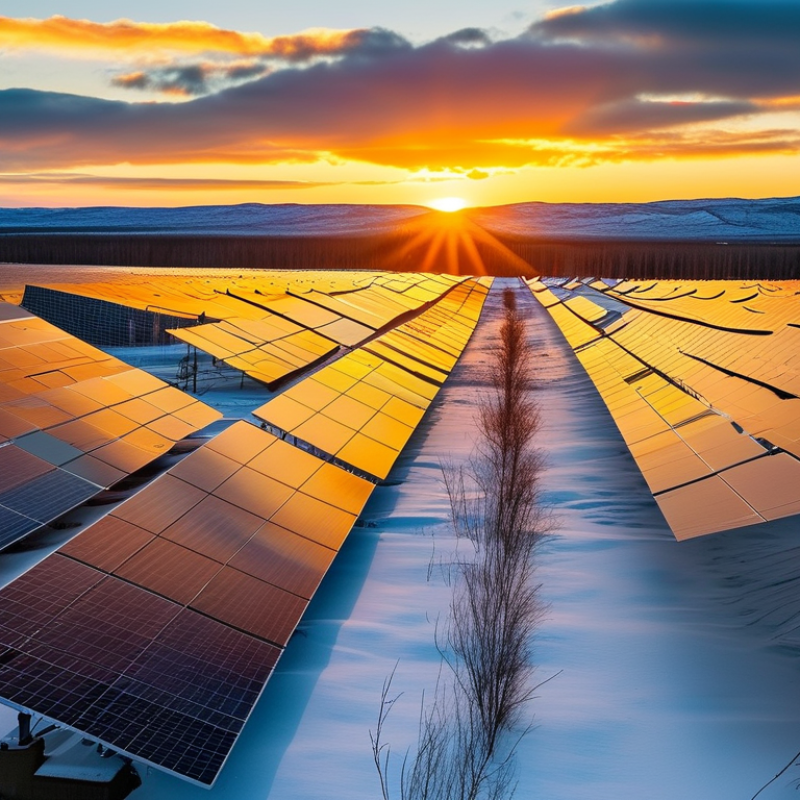
2026 Best Tilt Angle for Solar Panels in Winter?

Time:2026-04-29 Author:Henry
0%

As winter approaches, solar panel efficiency can be significantly impacted by the tilt angle. When considering solar energy, one critical question arises: what is the best tilt angle for solar panels in winter? Understanding this can enhance energy production during the colder months.

In winter, the sun's angle decreases, making tilt adjustments crucial. An optimal tilt can capture more sunlight and improve energy yield. For most regions, a tilt angle equal to the latitude plus 15 degrees is generally recommended. However, variations occur based on local weather patterns and geographical positioning.

Monitoring performance data is essential for maximizing efficiency. This approach highlights the need for experimentation and adjustments. Each system may require unique solutions, reflecting different circumstances and energy needs. Winter can also bring snow and clouds, further complicating the analysis. Therefore, finding the best tilt angle is not merely a formula but a continuous process of learning and adaptation.

2026 Best Tilt Angle for Solar Panels in Winter?

Understanding the Importance of Tilt Angle for Solar Panels in Winter

The tilt angle of solar panels plays a crucial role in maximizing energy capture during winter. This is especially important as days shorten and the sun's path changes. An optimal tilt angle allows panels to absorb more sunlight, even under cloudy conditions. In winter, a tilt of around 30 to 40 degrees can significantly enhance efficiency. This angle helps panels catch the lower sun rays, improving energy production.

Understanding the environmental impact is key as well. Snow accumulation on panels can hinder their efficiency. A steeper angle encourages snow to slide off, ensuring panels remain clear and maintain optimal performance. However, local climate can affect this strategy. Areas with consistent snowfall may require adjustments for effectiveness. Some users find it challenging to balance optimal angles with practical installation concerns.

The effectiveness of a tilt angle ultimately can vary. Each location has its unique conditions. It’s essential to evaluate specific circumstances. Some may find their panels underperforming due to suboptimal tilt. Regularly assessing and adjusting the tilt can lead to better returns. Engaging with solar energy professionals could guide users in making informed decisions tailored to their specific needs.

Factors Influencing Optimal Tilt Angle for Winter Solar Panel Performance

The optimal tilt angle for solar panels in winter depends on several key factors. One primary influence is latitude. Areas closer to the poles may benefit from a steeper angle. This allows panels to capture more sunlight during shorter days. Conversely, regions near the equator might find a flatter angle more effective.

Snow accumulation is another significant concern. Panels that are too flat may trap snow, blocking sunlight. A higher tilt can help the snow slide off more easily. However, you might need to adjust the angle if ice forms. Then, there’s the sun's elevation; it is lower in winter. This further complicates tilt decisions.

Seasonal adjustments can be necessary but not always practical. Some homeowners might hesitate to change angles regularly. The cost of installation and maintenance can deter them. Accurate positioning hinges on local weather patterns and daily sun paths. Ongoing adaptation is essential; it ensures maximum energy efficiency. Every installer may approach this challenge differently. Individual preferences will also shape the final choice.

Calculating the Ideal Tilt Angle Based on Geographic Location and Latitude

The tilt angle of solar panels plays a crucial role in maximizing energy production, especially during winter months. To determine the best angle, geographic location and latitude are essential factors. As solar irradiance decreases in winter, optimizing the tilt can significantly enhance performance. Research indicates that for every 1° tilt adjustment, solar energy capture can increase by approximately 2%.

For northern latitudes, an angle of 40° or more is often recommended. In contrast, southern regions benefit from lower angles around 20° to 30°. Data from various solar energy studies show that panels tilted at optimal angles can yield up to 25% more energy during winter. However, assessing local weather patterns and potential obstructions is vital.

Users must also consider snow accumulation. Heavy snowfall may obstruct solar panels, impacting energy generation. Experts suggest periodic adjustment of tilt during winter to maintain efficiency. Remember, a fixed tilt may not always suit changing weather conditions. Experimenting with angles can lead to improved results. Stay proactive in monitoring performance to maximize output through the winter months.

Common Mistakes to Avoid When Adjusting Solar Panel Tilt for Winter

Adjusting the tilt of solar panels during winter can greatly impact energy production. However, many people overlook essential details. One common mistake is setting the angle based solely on summer data. Winter sun is lower in the sky; panels should tilt to maximize exposure. A tilt of around 60 degrees can be ideal for many regions. This ensures that panels capture more direct sunlight despite the cold.

Another mistake involves neglecting local weather patterns. Some areas experience heavier snowfall, which can cover panels. A steeper tilt can help snow slide off more easily. If panels are flat, they may become covered quickly, drastically reducing efficiency. It's important to consider snow load when choosing the angle.

Making these adjustments requires careful thought. Many users hastily change angles without considering specific conditions at their location. Each environment presents unique challenges. For example, a flat roof may not support a steep angle without additional support. Always assess surroundings and plan accordingly. Learning from these common errors can lead to better results and higher energy efficiency.

Benefits of Adjusting Tilt Angle in Winter for Increased Solar Energy Output

Adjusting the tilt angle of solar panels in winter can significantly enhance energy output. In winter, the sun’s path is lower in the sky. Therefore, a steeper tilt is more beneficial. This adjustment allows solar panels to capture more sunlight during these shorter days. A tilt angle of around 30 to 45 degrees is often recommended for optimal performance in winter months.

The benefits of increased solar energy output can be substantial. More energy can lead to lower electricity bills and greater efficiency. However, not all installations permit easy angle adjustments. Some homeowners may face technical or safety challenges. It’s essential to consider these factors when planning adjustments. Professional consultation can aid in making effective decisions.

Optimal tilt angles can vary by location and the specific needs of each household. The efficiency gain might not always justify the effort needed to adjust the panels. Regular maintenance is also crucial in winter, as snow and ice can block sunlight. It’s a constant balancing act between maximizing energy and maintaining the system's reliability.

FAQS

: What factors influence the optimal tilt angle for solar panels in winter?

: Latitude, snow accumulation, and the sun's elevation play key roles. Areas near the poles need steeper angles.

How does geographic location affect solar panel tilt?

Northern latitudes benefit from angles over 40°. Southern regions usually do better at 20° to 30°.

Why is snow accumulation a concern for solar panels?

Snow can block sunlight. A higher tilt allows snow to slide off, improving energy generation.

Should I adjust the tilt angle regularly?

Yes, regular adjustments can maximize energy efficiency. However, not everyone finds it practical to do so.

What common mistake do people make when adjusting tilt angles?

Relying on summer data only. Winter sun is lower; angles must be adjusted for effective energy capture.

How does local weather impact solar panel performance?

Heavy snowfall can cover panels, so understanding local weather is crucial when determining tilt angles.

What can happen if I set my tilt angle too flat?

A flat angle may trap snow, reducing sunlight exposure and energy generation significantly.

Is it necessary to experiment with tilt angles?

Yes, experimenting can yield better results. Each location has unique conditions that can influence energy efficiency.

How might a flat roof affect tilt adjustments?

A flat roof might not support a steep angle well, requiring additional support for stability.

What is a good starting tilt angle for many regions in winter?

A tilt of around 60 degrees is often ideal, allowing for better sunlight capture.

Conclusion

In the quest for maximizing solar energy output during the winter months, understanding the optimal tilt angle for solar panels is essential. The article explores the question, "What is the best tilt angle for solar panels in winter?" by highlighting the significance of adjusting the tilt to capture more sunlight, especially in regions with lower sun exposure. Factors such as geographic location, latitude, and seasonal sun position play a crucial role in determining the ideal tilt.

The article also provides insights on common mistakes to avoid when altering the tilt angle, ensuring that users can make informed decisions to enhance their system's efficiency. By effectively calculating the best angle and adjusting it accordingly, solar panel owners can significantly increase their energy generation, making winter a productive season for solar energy harvesting.

Henry

Henry

Henry is a dedicated marketing professional with a profound expertise in the company's offerings. With years of experience in the industry, he possesses an impressive understanding of the market dynamics and consumer behaviors that drive success. Henry is committed to sharing his insights through......