Choosing the right solar mounting foundation is crucial, especially for soft or sandy soil. Many options are available, but not all are effective. The stability of your solar panels directly impacts their performance and longevity.
Understanding which solar mounting foundation is best for soft or sandy soil involves considering factors such as soil composition, weather, and local conditions. Professionals often recommend deep-set foundations for these soils. However, they may not always be practical or cost-effective. Alternative solutions like helical piers or ground screws might be worth exploring.
Reflecting on your specific site conditions is essential. Are there drainage issues? Is the soil more compact than you expected? These questions can influence your choice. Ultimately, selecting the right foundation is about finding balance—ensuring durability while managing costs.
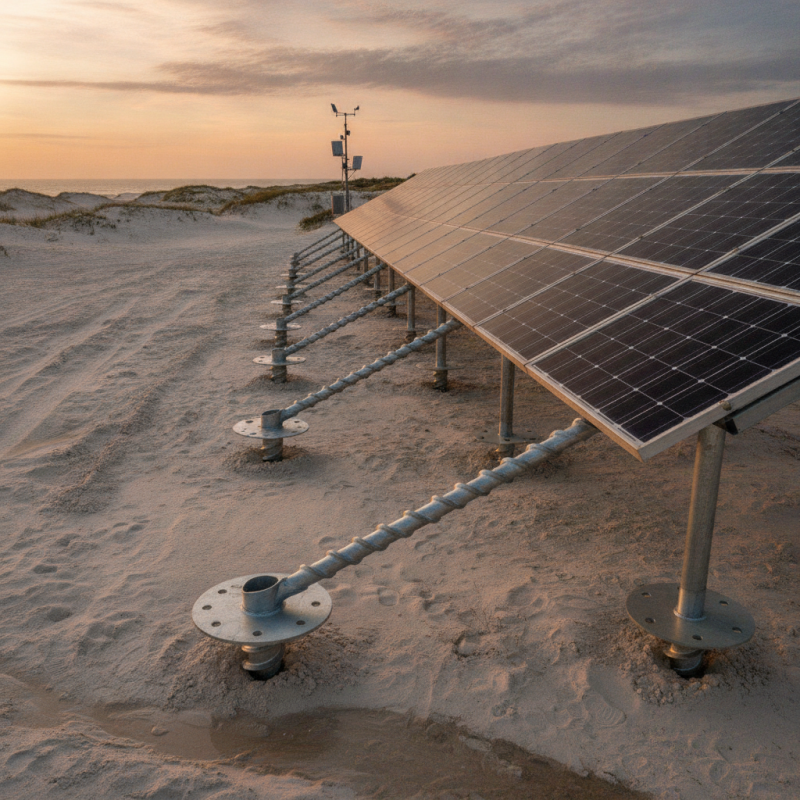
When installing solar mounting foundations in soft sandy soil, several factors must be considered. Sandy soil tends to have lower load-bearing capacity compared to clay or loam. This means proper analysis is crucial. Soil compaction can vary significantly. Testing the soil before installation helps ensure stability.
Another important aspect is the depth of the footing. Shallow foundations may not provide enough resistance to wind and uplift forces. Engineers often recommend a minimum depth to anchor the mounts firmly. Local climate and weather conditions play a role too. Areas with frequent heavy rains can experience erosion. This could undermine the foundation if not properly designed.
Material selection is vital. Using durable, corrosion-resistant materials is necessary in sandy environments. This ensures longevity and reduces maintenance costs. Sometimes, alternative designs like helical piers or ground screws are more effective. However, these solutions may require more investment. Proper planning and execution can lead to sustainable solar installations even in challenging sandy soils.
In soft sandy soil, selecting the right solar mounting foundation is crucial. This type of soil is often less stable, making it challenging for traditional mounting systems. Many experts recommend using pile foundations, which can penetrate deeper into the ground, providing better stability. A study by the National Renewable Energy Laboratory indicates that pile foundations can increase the lifespan of solar installations by minimizing movement due to soil shifting.
Another effective solution is the use of ground screws. These are drilled into the soil, creating stable anchor points for solar panels. Ground screws can be installed quickly and require minimal excavation. According to recent data, they can reduce installation time by up to 30%. This efficiency not only saves cost but also helps in adapting systems to various terrain types.
Concrete ballast systems are also suitable for soft sandy soil, though they may not be ideal for all projects. They provide immediate stability but can be costly and time-consuming to install. This method is more reliable when high winds or severe weather are a concern. Engineers have noted that while this method works, it may lead to uneven settling if not correctly calibrated, highlighting the need for careful planning and site assessment.
| Foundation Type | Description | Installation Difficulty | Cost Range (USD) | Durability |
|---|---|---|---|---|
| Concrete Footings | Settles into the sand, providing stability with a strong base. | Medium | $1,000 - $2,500 | High |
| Helical Piers | Screwed into the ground, offering solid anchoring. | Low | $750 - $1,500 | Very High |
| Ground Mounts | Supports panels above ground, adjustable for optimal angle. | Medium | $2,000 - $4,000 | Medium |
| Ballasted Racking Systems | Uses weight to hold panels in place without anchoring into the ground. | Low | $1,500 - $3,000 | Medium |
| Customization Mounts | Tailored to site conditions and specific sand characteristics. | High | $2,500 - $5,000 | High |
Installing solar panels on soft, sandy soil presents unique challenges. Effective installation techniques are crucial for long-term stability. One factor to consider is the type of mounting foundation used. Traditional concrete footings may not be the best option. Instead, using helical piles can provide better anchorage. These piles dig deep into the ground, securing the panels against windy conditions.
Site preparation is also essential. Remove any debris or vegetation that could undermine the foundation. Compaction of the sandy soil is necessary. This can be achieved through tamping or using a plate compactor. Checking moisture levels in soil can influence anchoring methods. Wet soil can lead to settling, while dry sand might behave differently.
Lastly, installing solar panels in sandy areas requires regular checks. Monitoring the stability of the foundations is important. If panels show signs of shifting, they may need reinforcement. Reflection on these techniques can lead to better practices over time. Adapting installation methods based on specific site conditions is vital for achieving efficiency and durability.
When considering solar foundations for soft sandy soil, assessing ground stability is critical. Sandy soil can shift and settle, affecting the durability of your solar mounting systems. Conducting a soil test helps identify any potential issues. A geotechnical engineer can provide insights on soil behavior under various loads.
Understanding soil conditions is equally vital. Sandy soil drains quickly, which can be beneficial. However, in wet conditions, it may become unstable. Design strategies can mitigate these challenges. For example, using deeper foundations may enhance stability. While these solutions add costs, the long-term benefits are undeniable.
Ignoring ground conditions can lead to costly failures. Every site is unique, and customization is key. Sometimes, even small adjustments in design can make a huge difference. Regular monitoring of soil conditions is also necessary. It’s important to adapt to changes over time to ensure the longevity of solar installations.
Maintaining solar mounting systems on soft sandy terrain requires specialized practices. Sandy soils pose challenges, including lower stability and erosion risks. Research shows that sandy soils can lead to a 30% reduction in foundation load capacity compared to firmer soils. As such, careful planning is essential.
Using appropriate foundation designs is crucial. For sandy terrain, deep foundations or helical piles can provide better anchorage. These methods help minimize settling and movement. Regular inspections are vital. Checking for signs of erosion or shifts in the mounting structures can prevent costly repairs. Data from the Solar Energy Industries Association (SEIA) indicates that neglecting these aspects may shorten system lifespans by up to 15%.
Additionally, vegetation management plays a role in system maintenance. Plant roots can destabilize the soil. Keeping vegetation trimmed and monitoring soil moisture levels can enhance foundation stability. Proper drainage is vital too. Improper drainage can lead to soil saturation, increasing the risk of foundation failure. Regular monitoring ensures that the solar installation remains efficient and reliable.
This chart compares the suitability ratings (on a scale from 0 to 10) of various solar mounting foundation types for soft sandy soil. Ground screws are deemed the most effective option, while prefabricated foundations are considered less suitable for these conditions.
: Key factors include load-bearing capacity, soil compaction, footing depth, and local climate effects.
Soil testing ensures stability and identifies compaction levels, crucial for a successful installation.
Engineers recommend deeper footings to resist wind and uplift forces for better stability.
Pile foundations and ground screws are effective because they penetrate deeper for stability.
Ground screws are quickly installed and minimize excavation, which can save time and costs.
While they provide stability, they may settle unevenly and can be costly to install.
Regular inspections can identify erosion or shifts, preventing costly repairs and extending system lifespan.
Overgrown roots can destabilize soil; keeping vegetation managed enhances overall foundation stability.
Proper drainage prevents soil saturation, reducing the risk of foundation failure in sandy terrain.
Thoughtful design ensures systems overcome challenges posed by sandy soil, enhancing longevity and efficiency.
When considering the best solar mounting foundation for soft or sandy soil, several factors must be taken into account. The challenges presented by sandy environments require specific types of foundations that can provide stability while accommodating potential soil movement. Options such as screw piles, helical anchors, and ballast systems are frequently deemed suitable for such conditions. Additionally, effective installation techniques play a critical role in ensuring the reliability and longevity of solar installations in these terrains.
It is also essential to assess ground stability and soil conditions before proceeding with installation. This includes evaluating the depth of the soil, load-bearing capacity, and potential erosion risks. Adopting best practices for maintaining solar mounting systems on sandy terrain will further enhance their performance and durability over time. Ultimately, choosing the right approach will maximize energy production and ensure the sustainability of solar power installations in soft sandy soil.

Illumino Solar