Best Solar Ground Mount System Cost Per Kilowatt Explained?

Time:2026-05-07 Author:Mason
0%

The rise of solar energy has transformed how we view energy savings. With advancements in technology, homeowners are increasingly considering solar ground mount systems. These systems not only facilitate optimal panel placement but also maximize energy efficiency. A crucial factor to examine is the cost associated with these systems. How much does a solar ground mount system cost per kilowatt?

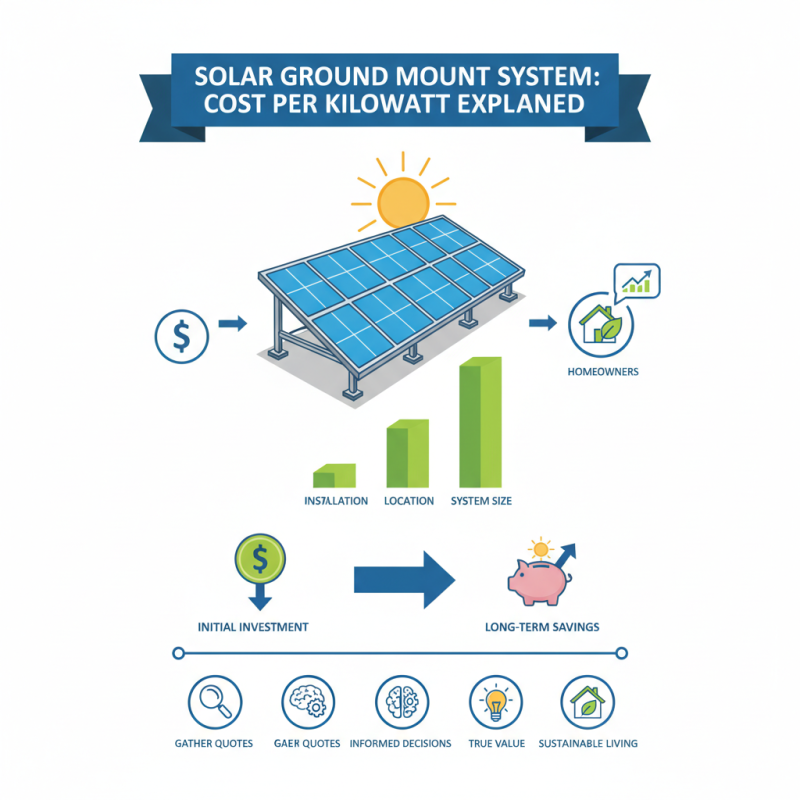
Knowing the costs involved is essential for potential buyers. The price can vary based on several factors. These include installation, location, and system size. It’s important to gather quotes from multiple contractors. This ensures that homeowners make informed decisions.

Investing in solar can lead to long-term savings. However, understanding the initial investment is vital. Some may find the upfront costs daunting. Yet, analyzing the cost per kilowatt provides clarity. It reveals the true value of harnessing solar energy. With the right information, homeowners can make smart choices for sustainable living.
Best Solar Ground Mount System Cost Per Kilowatt Explained?

Understanding Solar Ground Mount Systems and Their Cost Implications

Solar ground mount systems offer a practical solution for harnessing solar energy. They are typically installed on open land, providing a stable base for solar panels. This type of installation can maximize sunlight exposure, which often results in higher energy production compared to rooftop systems. According to the National Renewable Energy Laboratory (NREL), ground-mounted systems can achieve efficiency levels of up to 20% more energy capture.

Cost implications are critical when considering these systems. The average cost per kilowatt for solar ground mount systems ranges from $1,000 to $3,000, depending on location and installation specifics. Factors influencing this cost include land preparation and mounting structure. A report by the Solar Energy Industries Association (SEIA) indicates that while initial costs may be high, long-term savings on electricity bills often outweigh these expenses. Site conditions can also affect costs, especially if significant grading is necessary.

However, evaluating efficiency and cost can be challenging. Not all terrains are suitable for ground mounts. Some areas may face zoning restrictions or have high land costs. It's essential to consider these factors before making an investment. Additionally, ongoing maintenance costs can impact the overall financial picture. Understanding the balance between upfront costs and long-term returns is crucial for any potential solar investment.

Factors Affecting the Cost of Solar Ground Mount Systems per Kilowatt

When considering the cost of solar ground mount systems per kilowatt, several factors come into play. The initial investment can vary widely based on location, grid requirements, and system size.

For instance, regions with high labor costs may see a spike in installation fees. Conversely, areas with favorable sunlight exposure may benefit from better energy production efficiency.

Another critical aspect is the type of mounting structure used. Fixed mounts tend to be less expensive than tracking systems, which follow the sun's path. However, tracking systems can yield higher energy output, potentially offsetting initial costs over time. Material quality also matters. Durable materials can increase upfront expenses but reduce long-term maintenance costs.

Permitting process can complicate cost calculations. Different regions have various regulations, adding time and financial burdens to the project. Delays in securing permits or inspections might lead to unexpected expenses. It's essential to plan for these variables when estimating the overall costs of solar ground mount systems.

Comparative Analysis of Ground Mount vs. Roof Mount Solar Systems

When comparing solar ground mount and roof mount systems, several factors come into play. Ground mounts typically offer more flexibility in terms of positioning and orientation. This ensures that panels receive optimal sunlight throughout the day. They are also easier to maintain as they are at ground level. This advantage often translates into higher efficiency and, ultimately, a better energy yield.

On the other hand, roof mounts can save valuable land space. They utilize existing structures, which can be beneficial for urban homeowners. However, not all roofs are suitable for solar installations. Roof orientation, angle, and shading from nearby structures must be considered. This can lead to inefficiencies that ground mounts may not face. Maintenance can also be challenging, requiring careful navigation and safety precautions.

Some homeowners may gravitate toward ground mounts for their ease of access. However, the installation cost can be higher due to additional groundwork and setup. It’s essential to evaluate both options carefully. Each has its own strengths and weaknesses. A thorough analysis can help in making the best decision for your specific energy needs.

Estimating Installation Costs for Solar Ground Mount Systems

When considering solar ground mount systems, installation costs are a major factor. Studies show that these systems typically range from $2.50 to $5.00 per watt. This varies based on location, system size, and site conditions. For an average residential installation of 6 kW, the overall cost can be between $15,000 and $30,000. This wide range often leads to confusion among potential buyers.

Installation costs also include labor, permits, and site preparation. Labor costs can account for about 20% to 30% of the total project expense. Additionally, expenses for concrete foundations or additional mounting features add to the complexity. Some homeowners overlook these hidden costs, resulting in budget overruns. It's crucial to assess site suitability before proceeding.

In terms of financial incentives, federal solar tax credits can dramatically reduce upfront expenses. The current tax credit allows homeowners to deduct 26% of their system's cost on federal taxes. However, local policies may vary. Understanding these dynamics can significantly impact the final investment. It’s wise to consult with local experts to navigate these variables effectively and ensure a successful installation.

Cost Per Kilowatt for Solar Ground Mount Systems

This chart illustrates the estimated installation cost and cost per kilowatt for solar ground mount systems. The data shows that for a 10 kW system, the installation cost is estimated at $15,000, resulting in a cost of $1,500 per kilowatt.

Long-term Financial Benefits of Solar Ground Mount Systems

Solar ground mount systems have gained attention for their long-term financial advantages. They offer a durable and efficient way to harness solar energy. Unlike roof-mounted systems, ground mounts can optimize sunlight exposure. This leads to greater energy production in the long run. Investors can benefit significantly from the reduced energy bills since these systems yield more electricity.

Initial installation costs might seem high. However, the savings can be substantial over time. Homeowners often see a return on investment within a few years. Many users report reductions in energy costs exceeding 50%. This translates into impressive financial gains as utility rates rise. Ground mounts also increase property value, adding another layer of financial benefit.

However, it’s crucial to consider maintenance and land requirements. Regular upkeep can be necessary to ensure maximum efficiency. Some homeowners might not have enough usable land. Others may need to deal with zoning regulations. These factors can complicate the decision-making process. Assessing these aspects is vital before committing to a ground mount system. This approach ensures a well-rounded understanding of the financial implications involved.

FAQS

: What factors affect the cost of solar ground mount systems?

: Location, labor costs, grid requirements, and system size all affect pricing.

Are tracking systems worth the extra cost?

Yes, they can provide higher energy output, potentially saving money over time.

How does the quality of materials influence costs?

Durable materials may raise upfront costs but can lower maintenance expenses later.

What challenges might arise during the permitting process?

Varying regulations can lead to delays and unexpected expenses.

How do ground mount systems compare to roof mount systems?

Ground mounts offer better positioning and maintenance but cost more to install.

Why might someone choose roof mount systems?

They save land space and utilize existing structures, suitable for urban settings.

What should homeowners consider for roof installations?

Roof orientation, angle, and potential shading are crucial for efficiency.

Is maintenance easier for ground mounts?

Yes, being at ground level makes them easier to access and maintain.

Can I expect inefficiencies with roof mount systems?

Yes, roof shading and angles can reduce energy efficiency compared to ground mounts.

Should homeowners evaluate both options before deciding?

Absolutely, each system has strengths and weaknesses that deserve careful consideration.

Conclusion

The article titled "Best Solar Ground Mount System Cost Per Kilowatt Explained?" delves into the intricacies of solar ground mount systems, focusing on their cost implications. It begins by outlining the essential components of these systems and the factors that contribute to the cost per kilowatt. Key elements include site preparation, equipment quality, and installation complexity. A comparative analysis of ground mount versus roof mount systems is provided, highlighting the advantages and disadvantages of each option.

Furthermore, the article estimates the overall installation costs and presents a long-term view on the financial benefits of investing in solar ground mount systems. By addressing the question "How much does a solar ground mount system cost per kilowatt," the article equips readers with the necessary knowledge to make informed decisions, understanding not just the initial expense but also the potential savings and returns on investment over time.

Mason

Mason

Mason is a seasoned marketing professional with a deep expertise in the company's offerings and a passion for driving brand awareness. With a strong background in digital marketing strategies, he has an innate ability to connect with diverse audiences and effectively communicate product benefits.......