The integration of solar agrivoltaics in farming has emerged as a groundbreaking solution. It offers a dual-use approach, combining agricultural activities with solar energy production. A recent report from the International Renewable Energy Agency (IRENA) highlights the potential to increase land productivity by 60% when combining solar panels with crops. Farmers increasingly ask, "What are the benefits of solar agrivoltaics in farming?"
Solar agrivoltaics not only harness renewable energy but also provide crucial shade for crops, which can improve yields and reduce water consumption. According to the U.S. Department of Agriculture, strategic use of shade can decrease evaporation rates by 30%. However, the adoption of this technology is not without challenges, such as initial investment costs and potential zoning regulations.
Despite these hurdles, the rewards can be significant. A study by the Food and Agriculture Organization (FAO) shows that integrating solar energy can lead to a 20% increase in farm income. As the world faces climate change, finding sustainable farming solutions is essential, making solar agrivoltaics an increasingly vital consideration for future agriculture.
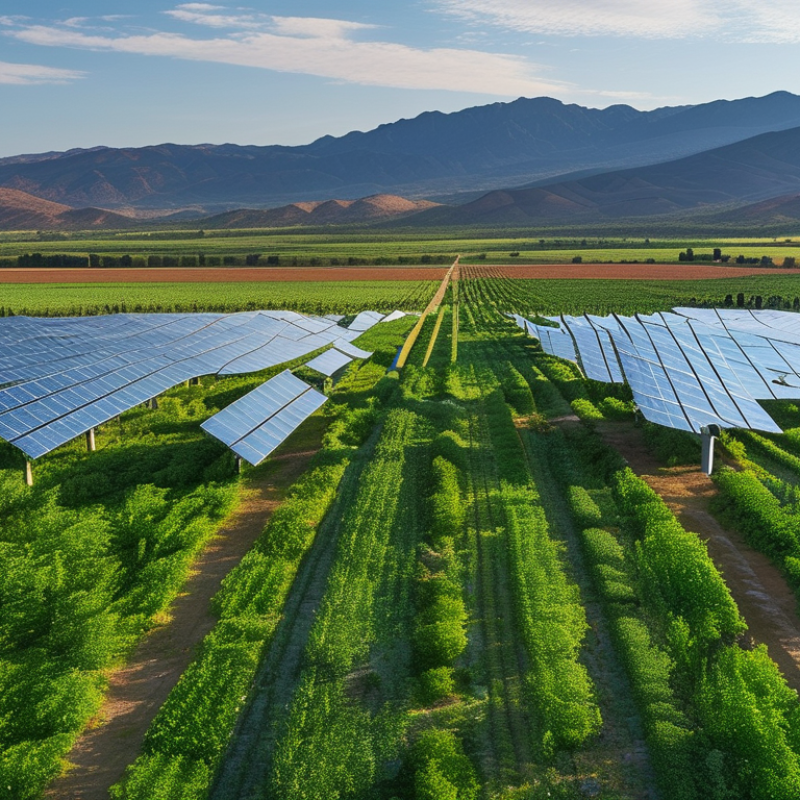
Solar agrivoltaics combines agriculture and solar energy, providing significant benefits for sustainable farming. By using land for both crop production and solar panel installations, farmers can optimize resource use. According to a report by the National Renewable Energy Laboratory, agrivoltaic systems can increase land productivity by up to 60%. This dual-use strategy maximizes the yield from each acre while minimizing soil degradation.
The integration of solar energy in farming also supports the shift towards renewable energy sources. A report published by the International Renewable Energy Agency highlights that agrivoltaic setups can potentially generate up to 40% of the solar energy necessary to meet global electricity demands by 2030. Additionally, crops grown under solar panels may have improved microclimates, leading to higher resilience against extreme weather conditions. However, it’s crucial to monitor water usage and soil health continuously.
While the potential is vast, challenges remain. The high initial investment and complex permitting processes can deter farmers from adopting this technology. Moreover, successful agrivoltaics require selecting compatible crops, which necessitates ongoing research and adaptation. Balancing energy production with agricultural output is not straightforward. This innovative approach requires continuous thought and adjustment to fully harness its potential for sustainable farming.
| Benefit | Description | Impact on Sustainability |
|---|---|---|
| Land Use Efficiency | Combines agriculture with solar energy production, maximizing land use. | Reduces competition for land, promotes dual land benefits. |
| Increased Crop Yields | Shading from solar panels can protect crops from extreme weather. | Enhances resilience to climate change impacts. |
| Reduced Water Usage | Panels can reduce evaporation and conserve soil moisture. | Enhances water conservation efforts in agriculture. |
| Carbon Reduction | Solar energy reduces reliance on fossil fuels. | Helps in reducing greenhouse gas emissions. |
| Economic Benefits | Provides farmers with additional income through energy sales. | Enhances financial sustainability of farming operations. |
| Pest Control | Reduction in pests due to environmental changes from solar infrastructure. | Promotes healthier crop growth without pesticides. |
| Biodiversity Enhancement | Creates new habitats and ecosystems under and around panels. | Supports a diverse range of species. |
| Energy Resilience | On-site energy production decreases vulnerability to energy shortages. | Enhances energy security for farming communities. |
| Community Engagement | Fostering partnerships for solar projects can engage local communities. | Strengthens local economies and community ties. |
| Innovative Farming Practices | Encourages adoption of advanced practices and technology. | Promotes sustainable and forward-thinking agriculture. |
: Solar agrivoltaics blends agriculture and solar energy, enabling land to be used for crops and solar panels.
Agrivoltaic systems can increase land productivity by up to 60%, optimizing resource use effectively.
This method reduces carbon footprints, stabilizes soil, and promotes biodiversity by minimizing habitat destruction.
Yes, crops grown under solar panels often experience improved microclimates, leading to better resilience against harsh weather.
High initial investment, complicated permits, and selecting compatible crops can hinder adoption of this technology.
Local farms with solar setups generate their electricity, reducing reliance on grid power and enhancing energy resilience.
No, some crops require more sunlight and may not thrive under shaded conditions created by solar panels.
Continuous research and adaptation are essential to balance energy production and agricultural output effectively.
The shade from solar panels can reduce water evaporation, benefiting both crops and the environment.
Initial costs for solar installation can be significant but often lead to long-term savings and additional income.
Solar agrivoltaics represents a groundbreaking approach to sustainable farming that merges agricultural production with solar energy generation. By utilizing the same land for both crops and solar panels, these systems enhance crop yields while maximizing land efficiency. The economic benefits are significant; farmers can reduce energy costs and diversify their income streams through the sale of electricity.
Moreover, solar agrivoltaics play a vital role in environmental sustainability by lowering carbon footprints and supporting biodiversity within agricultural ecosystems. This innovative practice not only strengthens local economies but also builds community resilience by providing a stable energy source that supports local farming initiatives. In summary, the question arises: what are the benefits of solar agrivoltaics in farming? The answers lie in improved crop production, economic viability, and a reduced environmental impact, marking a significant step towards sustainable agricultural practices.

 Illumino Solar